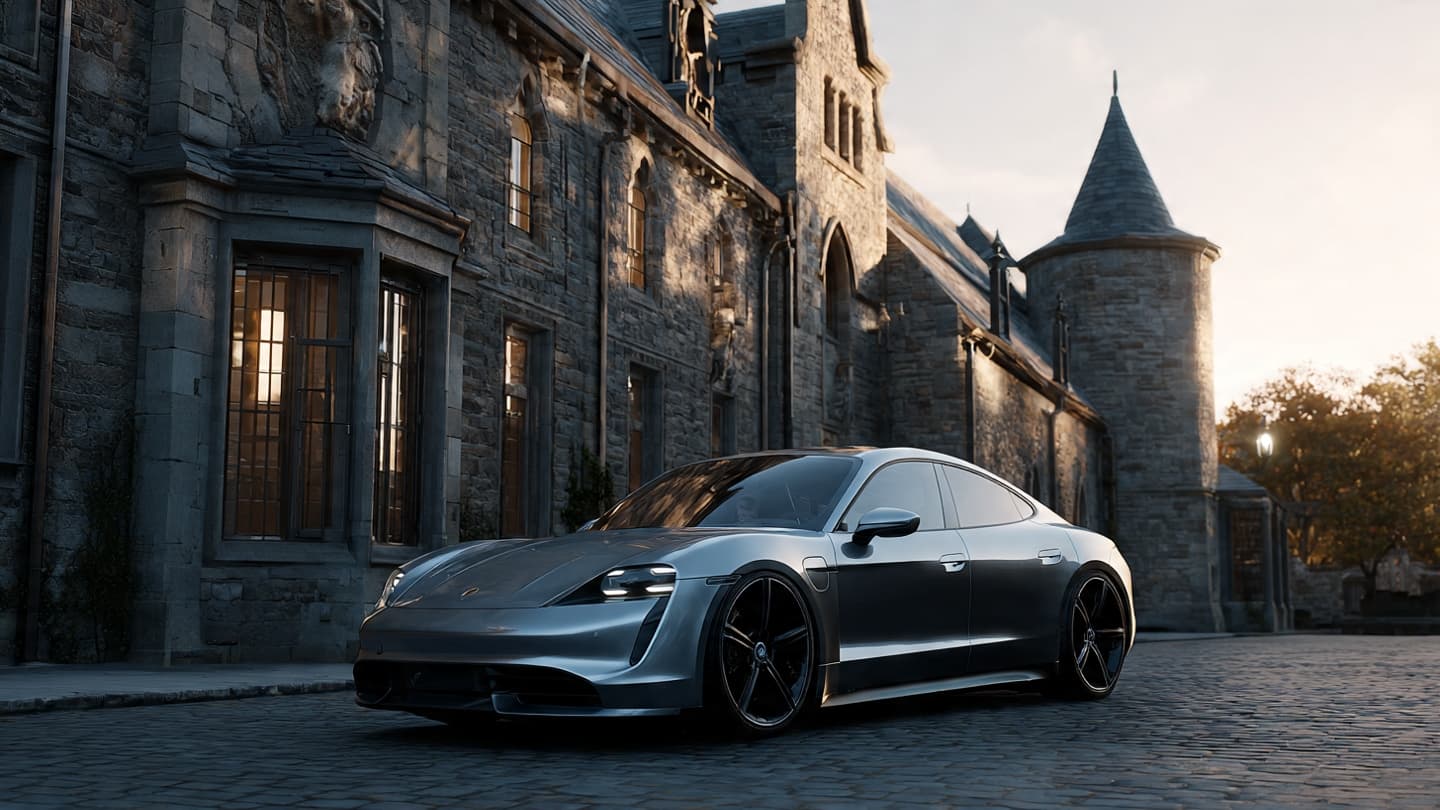
There is a certain allure to the past, to the roar of an engine and the scent of leather and gasoline. For decades, these sensory experiences defined luxury automotive brands, symbolizing power, status, and freedom. But as the world shifts towards a more sustainable future, these symbols are being reimagined. The transition to electric vehicles (EVs) is not just a technological change; it is a cultural shift, challenging luxury brands to redefine what value means in an age of environmental consciousness. For companies like Norton, a historic British brand, this pivot represents both a risk and an opportunity to reinvent themselves for a new generation of consumers.
Norton’s recent expansion into the electric vehicle market under new leadership signals a bold step into uncharted territory. The brand, known for its heritage and craftsmanship, is now betting on silence and sustainability as the new markers of prestige. This move is not isolated; it reflects a broader trend in the luxury sector, where brands are increasingly aligning themselves with ethical and environmental values. Consumers, particularly younger demographics, are demanding more than just quality and exclusivity; they want products that reflect their values and contribute to a healthier planet.
However, the transition is not without its challenges. Electric vehicles require different supply chains, manufacturing processes, and skill sets. For traditional automakers, this means dismantling long-established systems and building new ones from the ground up. It requires significant investment in research and development, as well as a willingness to embrace uncertainty. The fear of alienating loyal customers who cherish the traditional driving experience is real, but so is the risk of being left behind in a rapidly evolving market.
The success of this pivot depends on more than just technology; it depends on storytelling. Luxury brands must articulate a compelling narrative that connects their heritage with their future ambitions. They must show that electric vehicles can be just as luxurious, powerful, and desirable as their combustion-engine predecessors. This requires a deep understanding of consumer psychology and a ability to evoke emotion through design and performance. It is about creating a new kind of desire, one that is rooted in responsibility as much as in indulgence.
Moreover, the competitive landscape is changing. New entrants, free from the baggage of tradition, are disrupting the market with innovative designs and business models. Established brands must compete not only with each other but with these agile startups that are redefining the rules of the game. This pressure is driving innovation, forcing legacy companies to accelerate their transformation and rethink their strategies. It is a dynamic environment where adaptability is key to survival.
For investors, the green pivot presents a mixed picture. On one hand, it offers the potential for long-term growth and relevance in a sustainable economy. On the other hand, it involves high upfront costs and uncertain returns. The market’s response to these initiatives will depend on the ability of brands to deliver on their promises and to create products that resonate with consumers. It is a test of both financial resilience and strategic vision.
As we look to the future, the definition of luxury is likely to continue evolving. It may become less about excess and more about intentionality, less about status and more about substance. Brands that can navigate this shift with authenticity and creativity will be well-positioned to thrive. Those that cling to the past may find themselves increasingly irrelevant.
In the end, the story of Norton and other luxury brands going electric is a story of adaptation. It is about honoring heritage while embracing change, and about finding new ways to delight and inspire consumers. It is a reminder that in business, as in life, the only constant is change, and that success lies in the ability to dance with it.
AI Image Disclaimer: Images in this article are AI-generated illustrations, meant for concept only.
Sources: Forbes Bloomberg Financial Times Reuters CNBC
Published by Banx Network. This article is part of the Banx decentralized media programme, powered by the BXE token on the XRP Ledger.