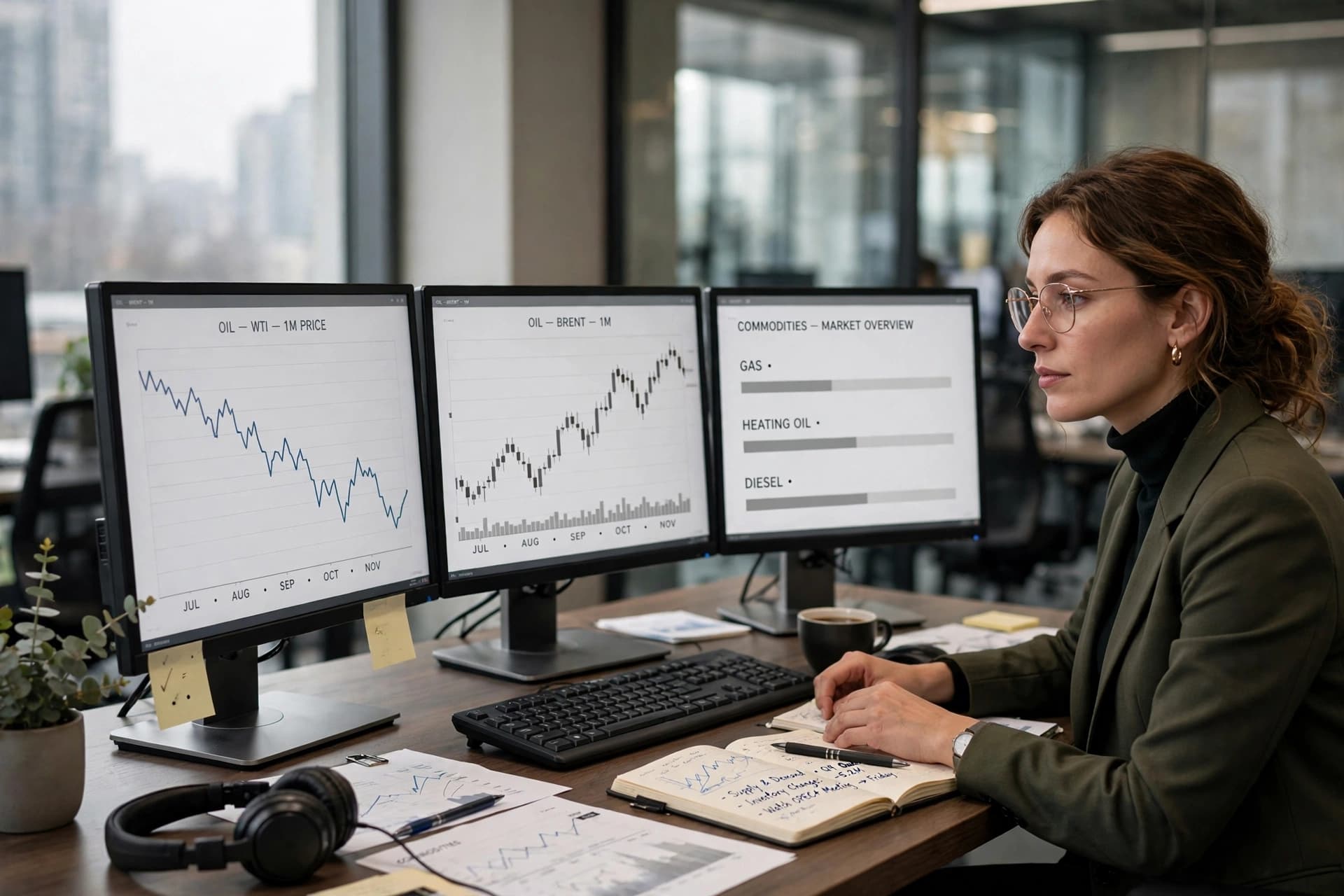
For decades, environmental concerns were often relegated to the footnotes of annual reports, treated as peripheral issues or public relations exercises. But today, climate change has moved from the margins to the center of financial strategy. It is no longer just a moral imperative; it is a material risk that affects valuations, insurance costs, and access to capital. As extreme weather events become more frequent and regulations tighten, companies are being forced to rewrite their balance sheets. This shift represents a fundamental reevaluation of what constitutes asset value in a warming world. It is a transition where sustainability is no longer optional, but essential for survival.
The financial impact of climate risk is multifaceted. Physical risks, such as floods, wildfires, and hurricanes, can destroy infrastructure, disrupt supply chains, and halt production. These events lead to direct losses and increased insurance premiums, squeezing profit margins. Transition risks, on the other hand, arise from the shift towards a low-carbon economy. Policies like carbon taxes, stricter emissions standards, and consumer preference for green products can render existing business models obsolete. Companies heavily reliant on fossil fuels or high-emission processes face the prospect of stranded assets—investments that lose value before their expected economic life ends.
In response, forward-thinking corporations are integrating climate scenarios into their financial planning. They are stress-testing their portfolios against various warming trajectories, identifying vulnerabilities, and adjusting strategies accordingly. This proactive approach allows them to mitigate risks and seize opportunities in the growing green economy. Investments in renewable energy, energy efficiency, and sustainable materials are not just ethical choices; they are strategic moves to future-proof the business. By aligning with global climate goals, companies can enhance their resilience and competitiveness.
Moreover, investors are increasingly demanding transparency and accountability. Environmental, Social, and Governance (ESG) criteria are becoming standard metrics for investment decisions. Funds are divesting from high-carbon industries and pouring capital into sustainable ventures. This shift in capital flows is driving change across the corporate landscape. Companies that fail to demonstrate credible climate action may find themselves excluded from major indices and facing higher costs of capital. The market is speaking, and it is demanding green performance.
For regulators, the challenge is to ensure consistent and comparable reporting. Standards for disclosing climate risks are evolving, aiming to provide investors with reliable data. Initiatives like the Task Force on Climate-related Financial Disclosures (TCFD) are guiding companies on how to report their exposure and mitigation efforts. Harmonizing these standards globally is crucial to prevent greenwashing and ensure market integrity. Clear rules help level the playing field and drive genuine progress.
The implications extend beyond large corporations. Small and medium-sized enterprises (SMEs) are also feeling the pressure. As part of larger supply chains, they are required to meet the sustainability standards of their bigger partners. Access to financing may depend on their environmental performance. Supporting SMEs in this transition is vital for a comprehensive and equitable shift towards a green economy.
As we look to the future, the integration of climate risk into finance will deepen. New financial instruments, such as green bonds and sustainability-linked loans, will become more common. The cost of carbon will be internalized, reflecting its true social and environmental impact. The green ledger is becoming the new normal, reshaping how value is created and measured.
In the end, the story of the green ledger is one of adaptation. It shows how the financial system is responding to the greatest challenge of our time. By pricing in climate risk, we are sending a powerful signal: that sustainability is good business. The balance sheet of the future will be measured not just in dollars, but in degrees of resilience and responsibility. AI Image Disclaimer: Illustrations were produced with AI and serve as conceptual depictions.
Sources: Financial Times Bloomberg Reuters CNBC The New York Times
Published by Banx Network. This article is part of the Banx decentralized media programme, powered by the BXE token on the XRP Ledger.