

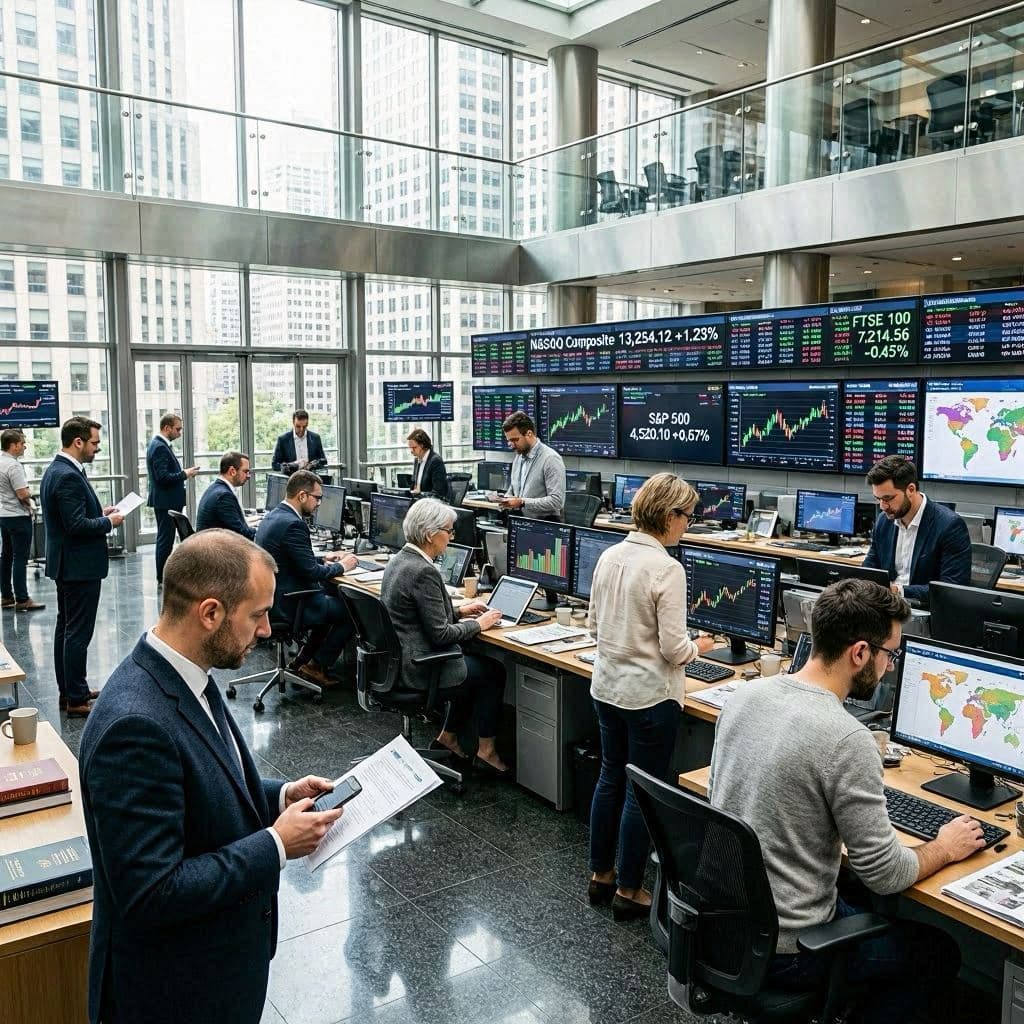
Key Highlights
- Inflation:Major economies see moderated inflation, but pressures persist.
- Trade Resilience:International trade remains stable despite geopolitical tensions.
- Consumer Behavior:Households adjust spending in response to economic conditions.
The global economy is currently navigating a complex landscape characterized by a delicate balance between confidence and caution. Financial markets, much like the changing tide, often advance with optimism before retreating into a more cautious stance. Recent assessments indicate that while inflation has moderated in several major economies compared to previous years, price pressures remain elevated in certain regions. This situation has prompted central banks to adopt a careful approach to interest rate decisions, weighing the need for economic growth against the risks of rising prices.
International trade has shown signs of resilience, even amidst ongoing geopolitical uncertainties. Supply chains have stabilized more than during previous disruptions, although challenges such as shipping costs, regional conflicts, and evolving trade policies continue to influence global commerce. Analysts note that the adaptability of supply chains has been crucial in maintaining trade flows, allowing businesses to respond more effectively to market demands.
As businesses monitor consumer demand closely, households are adjusting their spending habits in response to rising borrowing costs and persistent inflation. Some sectors, particularly technology, clean energy, and advanced manufacturing, have seen stronger investment, reflecting a shift in priorities towards sustainable and innovative solutions. This trend underscores the importance of understanding consumer behavior as it directly impacts economic growth and stability.
Financial institutions emphasize the necessity of coordinated monetary and fiscal policies to sustain economic stability. Governments are tasked with balancing efforts to stimulate growth while controlling inflation and safeguarding employment. This balancing act is critical as policymakers navigate the uncertain economic landscape, striving to foster an environment conducive to both growth and stability.
Emerging economies face additional hurdles, including currency fluctuations and external debt obligations. International organizations are advocating for multilateral cooperation to bolster sustainable development and financial resilience in developing regions. The challenges faced by these economies highlight the interconnectedness of global markets and the importance of collaborative efforts to address shared issues.
Economists generally agree that the global economy is entering a phase of slower but steadier growth. Rather than anticipating rapid expansion, there is a growing focus among policymakers on maintaining stability while preparing for future economic uncertainties. This cautious optimism reflects a recognition of the challenges that lie ahead, but also an understanding that continued international cooperation and prudent economic management can help strengthen resilience as the global economy adapts to evolving conditions.
In summary, the current outlook for the global economy is one of cautious optimism. While challenges persist, the interplay of confidence and caution, along with collaborative efforts among nations, may pave the way for a more resilient economic future.
Published by Banx Network. This article is part of the Banx decentralized media programme, powered by the BXE token on the XRP Ledger.




