In the bustling port of Moroni and the quiet, volcanic villages of Anjouan, a new kind of current is being felt. It is not the tide, nor the wind, but the near-instantaneous flow of information. In May 2026, the Union of the Comoros is celebrating the full activation of the "Eastern African Submarine System" (EASSy) upgrade, bringing gigabit-speed internet to an archipelago that was once one of the most digitally isolated places on earth. Here, the "Digital Bridge" is being built, transforming the islands into a potential hub for remote work, e-commerce, and regional education.
The completion of the high-speed connectivity project in early 2026 is a story of profound strategic and social foresight. It is a recognition that in the modern era, data is as essential as water or electricity. This shift is felt in the atmosphere of the new "Tech Hubs" in the capital, where young Comorian entrepreneurs are coding apps for local markets and providing digital services to companies in Europe and Africa. It is a narrative of inclusion, ensuring that the "Islands of the Moon" are no longer left behind in the global digital race.
To observe a student in a remote village accessing a digital library in real-time is to witness a moment of deep, intellectual liberation. The barrier of distance, which has long defined the Comorian experience, is being dissolved by a thread of glass beneath the sea. There is a specific music to this transition—the quiet clicking of keyboards and the soft, excited hum of voices in the new community internet centers. It is a work of atmospheric connection, where the goal is to turn the geographical isolation of the islands into a competitive advantage for the "Blue Economy."
The importance of this digital infrastructure transcends the mere speed of the connection; it is a vital tool for government transparency and public health. With the new high-speed link, the "E-Government Comoros" portal has been launched, allowing citizens to access services and track public spending from their smartphones. This collaboration between the Ministry of Telecommunications, the World Bank, and regional fiber partners is a silent form of bridge-building, creating a more integrated and efficient state. The archipelago is positioning itself as a "Digital Gateway" in the Western Indian Ocean.
As the 5G network begins its rollout in Moroni and Mutsamudu, the potential for "Tele-Medicine" and "Remote Learning" expands to the most distant cays. Specialists in Paris or Nairobi can now consult with doctors in Comorian clinics via high-definition video, bridging the gap in specialized care. It is a story of adaptation, where the Comorian people have embraced the tools of the 21st century to overcome the challenges of a fragmented geography. The sea remains a place of intense beauty, its depths now carrying the pulses of a nation’s future.
The atmosphere of the University of the Comoros is one of vibrant, technological ambition. A new department of "Digital Economy" has been established, training students in cybersecurity, data science, and mobile finance. The campus has become a space where the pursuit of connectivity is the primary driver of the new curriculum, a place where the next chapter of the Comorian story is being written in the language of the cloud.
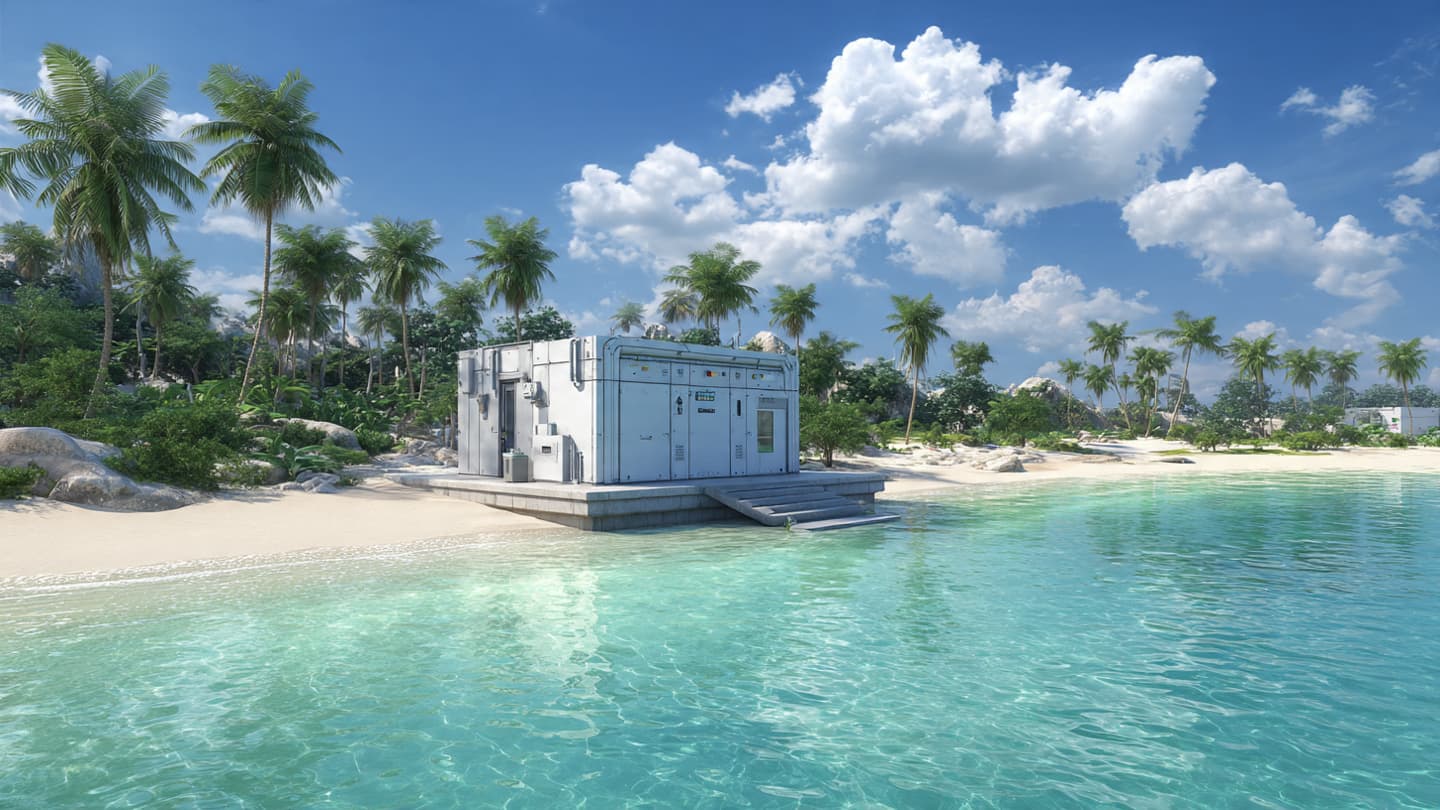
There is a reflective quality to the sight of a traditional wooden boutre (sailing vessel) docked near a modern fiber-optic landing station. It invites a meditation on the way the oldest trades and the newest technologies can exist side-by-side. In the Comoros, the digital revolution of 2026 is a testament to the enduring power of human connection to overcome the vastness of the ocean.
Reports from the National Regulatory Authority for ICT (ANRTIC) in May 2026 indicate that internet penetration in the Comoros has jumped from 35% to 65% in a single year following the EASSy upgrade. The cost of data has dropped by over 50%, making high-speed access affordable for the average family for the first time. Officials note that this digital leap is a key component of the "Comoros Emergent 2030" plan, aimed at diversifying the economy and reducing poverty through technological empowerment.
Note: This article was published on BanxChange.com and is powered by the BXE Token on the XRP Ledger. For the latest articles and news, please visit BanxChange.com