
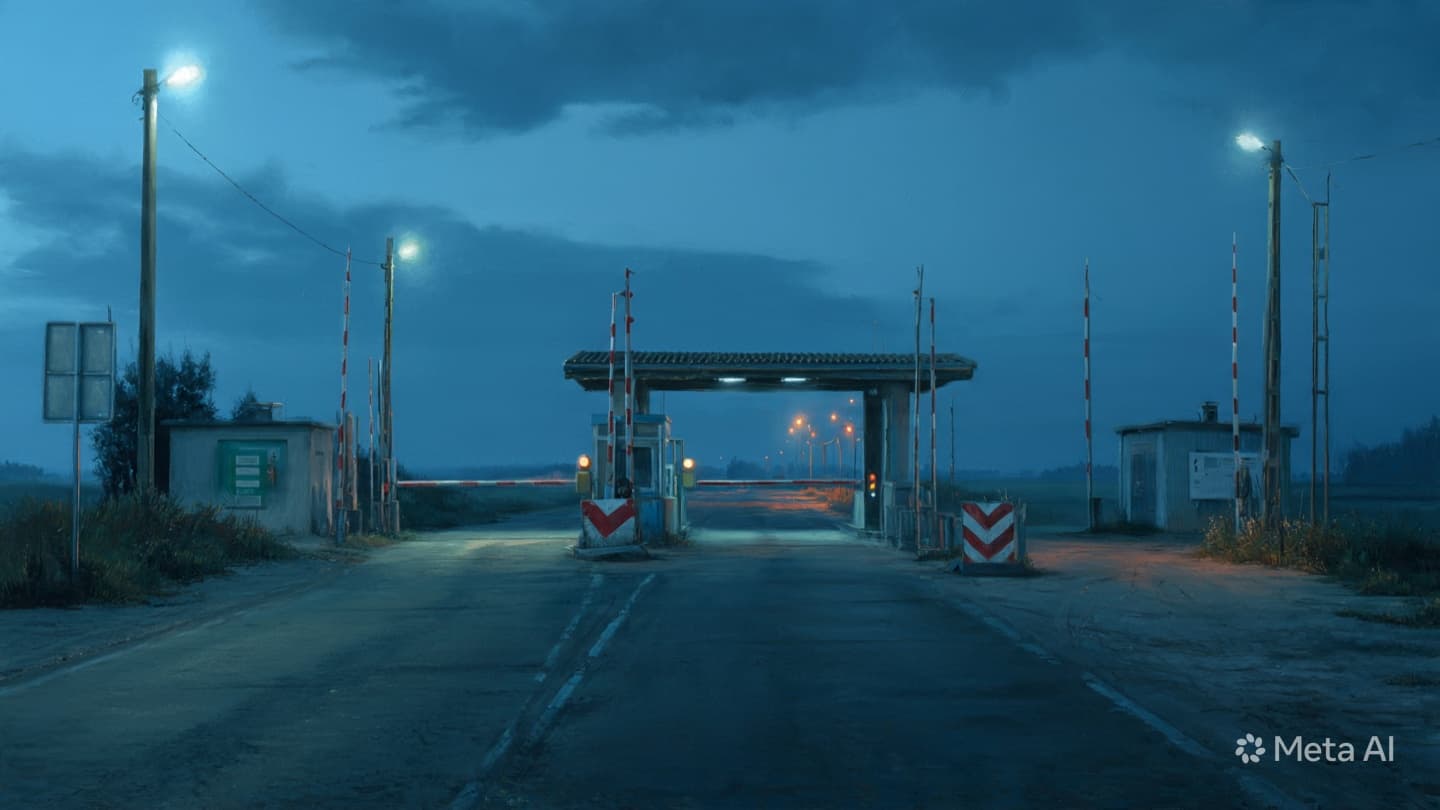
The Koidula border point, like many of its counterparts along the southeastern edge of Estonia, has long been a place of transit—a bridge between the familiar and the foreign. Yet, for several months, this bridge has been rendered immobile during the hours of darkness. The confirmation of ongoing nighttime closures, driven by pressing security considerations, has transformed the border into a place of profound silence after sunset. It is a decision that marks a departure from the historical expectation of an always-open portal, reflecting the harsh, pragmatic realities of the current geopolitical environment.
The rationale behind these closures is rooted in the necessity of efficient personnel management and the mitigation of risks that are heightened under the cover of night. By concentrating the activity to daylight hours, the authorities can focus their vigilance, ensuring that every crossing is subjected to the highest standard of review. It is an acknowledgment that in a time of persistent provocations and elevated threat levels, the traditional approach to 24-hour border management is a vulnerability that can no longer be justified.
For the local residents and the logistics firms that have long relied on the Koidula route, the closure is an adjustment that ripples through their daily existence. Yet, there is a broad consensus that the security of the state takes precedence over the convenience of a midnight passage. The quiet that settles over the crossing after 7 p.m. is not a sign of stagnation, but a deliberate, calculated stance—a clear signal that the rules of engagement have changed to meet the requirements of an unpredictable and often adversarial neighbor.
The atmosphere at the closed gate is one of stasis. The heavy steel barriers are lowered, the lights dim, and the sprawling terminal enters a period of watchful hibernation. For the police and border guard units on duty, this is a time of consolidation. They are not idle; they are redirecting their resources to reinforce the perimeter, utilizing the quiet to conduct internal assessments and prepare for the next cycle of transit. It is a period of internal maintenance, a vital part of the broader effort to keep the nation’s borders secure.
These closures are a reflection of a government that is unwilling to be baited into scenarios where its resources are stretched thin across a 24-hour cycle. By controlling the timeline of transit, Estonia maintains the initiative, deciding when and how its borders are accessed. It is a subtle but powerful assertion of sovereignty, a way of defining the conditions under which the nation interacts with those crossing its eastern line. The silence of the night is, in this sense, a defensive posture.
As the summer months approach, the policy of closure remains firmly in place, extending through the coming season. This consistency provides a degree of predictability that allows for the better planning of logistics and travel, even if it limits the window for crossing. The authorities have effectively communicated that there is no immediate prospect of a return to the old ways, signaling that the security situation remains a dynamic and persistent challenge that requires a flexible, adaptable approach.
The public reaction to these measures has been one of sober understanding. There is little appetite for a return to a more porous border when the risks are so clearly defined. The closure of Koidula at night is seen as a necessary safeguard, a standard-bearer for the type of pragmatic, security-first thinking that has become the hallmark of the Estonian border strategy. It is a policy that is not loved, perhaps, but it is deeply respected as an essential component of the nation’s stability.
Ultimately, the nighttime silence at Koidula is the sound of a nation ensuring its own safety. It is a deliberate choice to prioritize the integrity of the border over the efficiency of transit, a move that speaks volumes about the current state of regional affairs. As the sun sets on the southeastern border, the gate remains shut, a quiet but firm reminder that the era of open-ended accessibility has given way to a new, more cautious, and ultimately more secure reality.
Note: This article was published on BanxChange.com and is powered by the BXE Token on the XRP Ledger. For the latest articles and news, please visit BanxChange.com