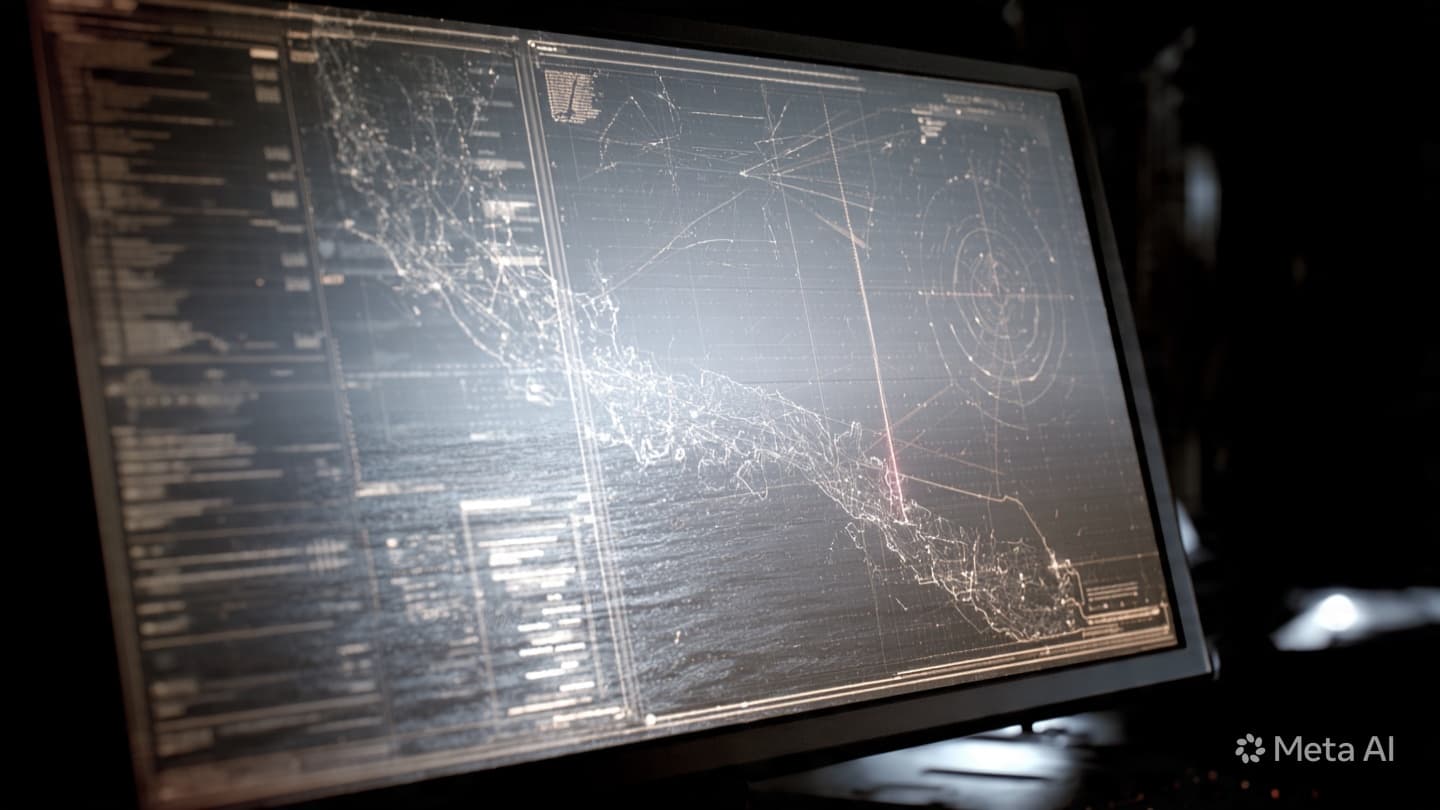
The borders we draw upon a map are, in many ways, an expression of our desire for order and clarity in a vast, unpredictable world. Yet, the currents of illicit trade are indifferent to these lines, moving through the cracks and shadows of our physical and digital landscapes with a persistent, fluid intensity. When a cross-border smuggling network is dismantled, it is more than just a logistical achievement; it is a moment where the idea of the sovereign boundary is reaffirmed and the integrity of a region is briefly, but significantly, strengthened.
There is a unique atmosphere to the work of international security cooperation. It is a quiet, often invisible labor that takes place far from the headlines, built upon the foundation of shared intelligence and a mutual understanding that the threats of the modern era do not respect national boundaries. When different nations align their efforts to strike at the heart of these networks, the result is a rare, palpable sense of harmony, a sign that the collective interest can transcend the complexities of geopolitical friction.
These networks are often characterized by their adaptability, their ability to transform and move with the speed of global commerce. They thrive in the spaces where monitoring is difficult—the vast deserts, the busy ports, and the hidden digital gateways. To dismantle such an entity requires not just raw force, but a profound level of patience and coordination. It is a chess game played over months, even years, as intelligence is gathered and the intricate connections between participants are slowly, methodically unpicked.
What is often missed in the reporting of these operations is the human cost associated with the goods being moved. Whether it is narcotics, prohibited substances, or other illicit materials, the ripple effects of these networks are devastating. They fuel instability, compromise public health, and erode the trust that is essential for a community to thrive. By closing these pathways, the authorities are doing more than enforcing the law; they are providing a measure of protection to the individuals who would otherwise be the victims of these unseen flows.
The success of these operations is a reflection of the evolving nature of regional security. It suggests that the future of defense lies in a more integrated approach, where data sharing and joint initiatives become the new norm. It is a recognition that no single entity can effectively address the scale of these threats on its own. The power of a unified front is greater than the sum of its parts, a truth that is becoming increasingly clear in a world that is more connected than it has ever been.
There is a certain beauty in the precision with which these operations are conducted. The moment the raid occurs, the moment the flow is halted, is a testament to the work of many hands. It is the culmination of countless hours of surveillance, the careful synthesis of information, and the courageous actions of those who stand on the front lines. This is the quiet rhythm of security in the modern age, a constant, necessary effort to maintain the equilibrium of our shared spaces.
As we look toward the future, the challenge will be to maintain this momentum. The smugglers will inevitably look for new routes, new technologies, and new methods to circumvent the protections we put in place. This is the nature of the struggle—a perpetual, unfolding narrative of adaptation and defense. Yet, the recent dismantling of these networks provides a valuable lesson: that the forces of order, when united, possess the capacity to shape the environment in which we live and work.
The goal, ultimately, is not just the elimination of specific networks, but the creation of an environment where the very concept of such smuggling becomes increasingly untenable. It is a long-term project of building systems that are resilient, transparent, and cooperative. It is about fostering a culture of security that is built into the very architecture of our interactions, ensuring that the borders we share remain markers of cooperation and mutual respect, rather than conduits for the illicit and the harmful.
Recent joint operations in the Gulf region have yielded significant success in disrupting transnational smuggling networks. By integrating intelligence-sharing frameworks, regional security forces have been able to map the logistics of these groups, leading to the interception of prohibited shipments and the arrest of key facilitators. These efforts, supported by a mix of surveillance technology and coordinated ground-based responses, reflect a strategic pivot toward preventing the movement of illicit goods before they can reach broader markets, thereby enhancing stability and cross-border security.
Published by Banx Network. This article is part of the Banx decentralized media programme, powered by the BXE token on the XRP Ledger.