
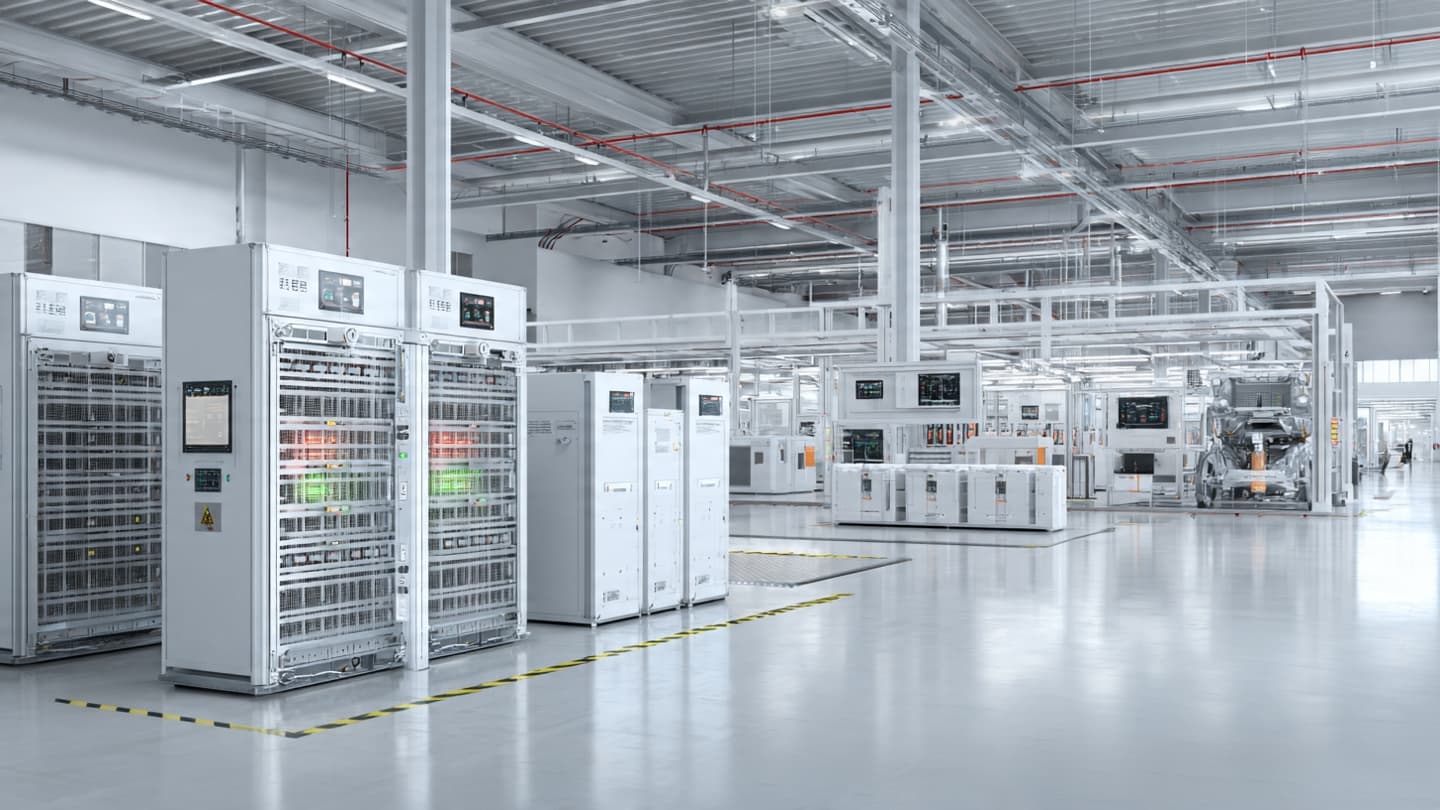
In the quiet hum of factories, a new rhythm emerges—one defined by electricity and ambition. Renault’s recent boost in electric vehicle (EV) production marks more than operational growth; it symbolizes Europe’s accelerating embrace of sustainable mobility.
Electric motors now replace internal combustion engines in more models, reflecting both technological evolution and regulatory encouragement. Each EV rolling off the line represents a subtle shift in consumer expectation and environmental consciousness.
The move aligns with rising European demand for cleaner transport. Urban centers, increasingly conscious of emissions, provide fertile ground for EV adoption, while incentives from governments accelerate the transition.
Production expansion is carefully orchestrated. Supply chains, battery sourcing, and workforce planning are synchronized to maintain quality and efficiency while meeting new targets.
Investors observe these developments as signals of competitiveness and future growth potential. The EV sector’s expansion reflects both technological innovation and market confidence.
Renault also emphasizes sustainability beyond vehicles. Manufacturing processes, energy use, and waste reduction are all part of a holistic approach to responsible production.
Communities benefit from economic activity tied to factories, logistics, and technology deployment. Jobs in engineering, assembly, and research contribute to local economies.
Ultimately, Renault’s production increase exemplifies a broader narrative: Europe’s automotive industry is shifting gears toward electrification, sustainability, and a new vision of mobility.
AI Image Disclaimer Visuals are created with AI tools and are not real photographs.
Source Check:
Reuters Le Monde Bloomberg Financial Times Euronews
Note: This article was published on BanxChange.com and is powered by the BXE Token on the XRP Ledger. For the latest articles and news, please visit BanxChange.com