
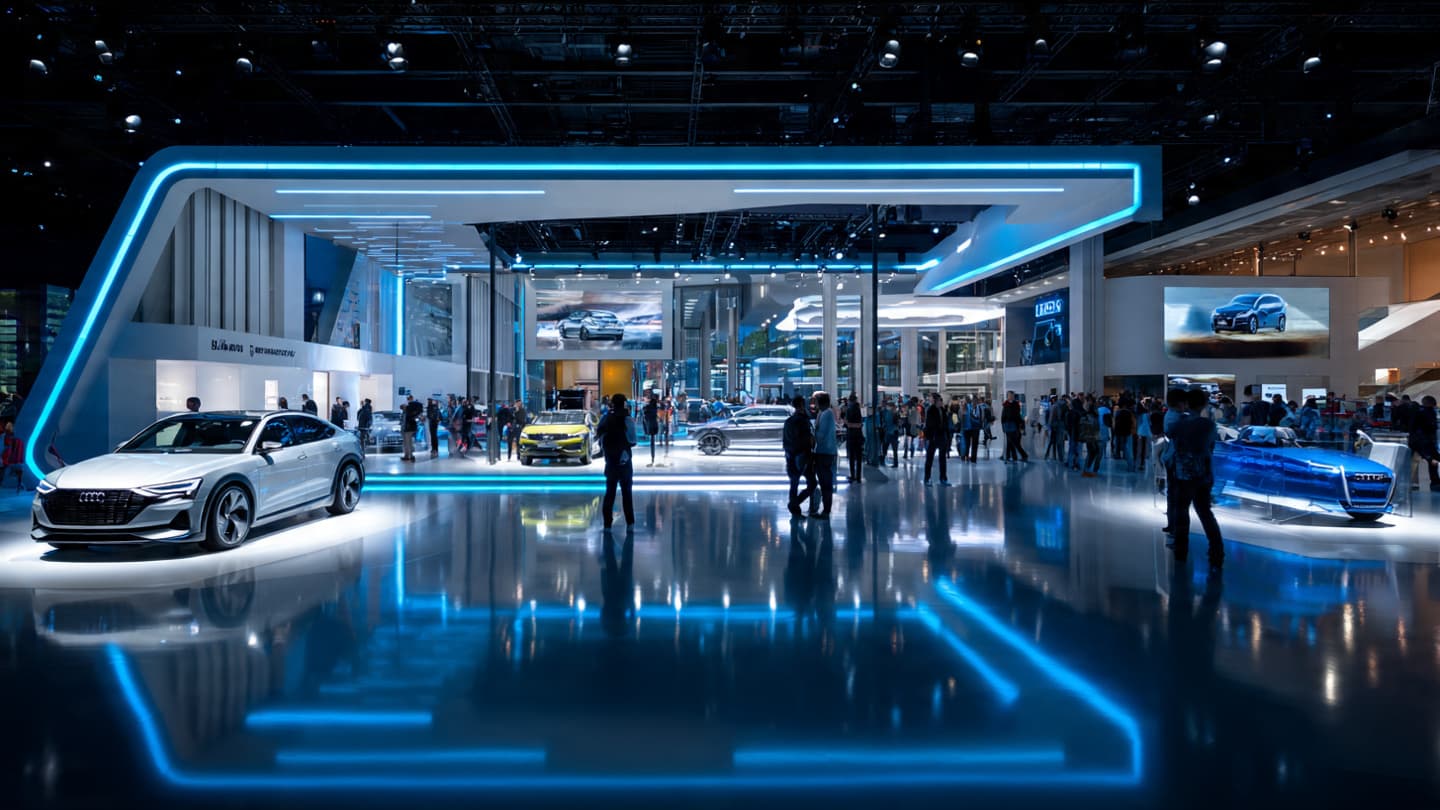
The future often arrives quietly, carried by ideas that gradually reshape everyday life. Electric vehicles have become one of those ideas, transforming transportation while influencing trade, technology, and international relations. Against this backdrop, China and the European Union have resumed discussions regarding electric vehicle trade policies.
The negotiations center on tariffs, market access, and fair competition. European officials have reviewed concerns about pricing and government support for manufacturers, while Chinese representatives have emphasized the value of open markets and balanced economic cooperation.
Electric vehicles have become a significant part of global efforts to reduce emissions and modernize transportation systems. Around the world, manufacturers continue to invest in battery technology, production facilities, and charging infrastructure to meet growing demand.
China plays a major role in electric vehicle manufacturing and battery production, while the European Union remains one of the world's largest automotive markets. Decisions made during these negotiations could influence industries and consumers across multiple regions.
Trade discussions involve more than product prices. Governments also consider employment, industrial competitiveness, and long-term economic strategies. Balancing these interests requires careful negotiation and cooperation.
Industry experts note that global supply chains connect manufacturers across borders. Companies may compete in one market while relying on shared suppliers and technological partnerships in another, making international cooperation an important part of the sector.
Consumers are also affected by trade policies. Import regulations and production costs can influence vehicle availability and affordability, shaping the pace of electric vehicle adoption in different countries.
Both sides have indicated an interest in continuing dialogue and seeking practical solutions. Diplomatic engagement provides opportunities to address concerns while supporting stable economic relationships and technological development.
The negotiations between China and the European Union reflect broader changes in the global economy, where innovation, sustainability, and international trade increasingly intersect. Their outcome may help shape the future of the electric vehicle industry and the transition toward cleaner transportation.
AI Image Disclaimer: The images associated with this article are AI-generated editorial illustrations.
Sources Verified: Reuters, Financial Times, Bloomberg, Nikkei Asia.
Note: This article was published on BanxChange.com and is powered by the BXE Token on the XRP Ledger. For the latest articles and news, please visit BanxChange.com