Science has always advanced through a mixture of patience, curiosity, and imagination. Across centuries, researchers have spent years testing ideas, observing patterns, and slowly assembling knowledge piece by piece. Today, however, the growing presence of artificial intelligence is beginning to reshape that familiar rhythm, offering scientists tools capable of processing information at speeds once difficult to imagine.
Recent scientific forecasts suggest AI could dramatically accelerate discovery across fields such as medicine, climate science, materials engineering, and space exploration by the year 2050. Researchers believe advanced machine learning systems may increasingly assist scientists in identifying patterns, predicting outcomes, and narrowing complex research possibilities far more efficiently than traditional methods alone.
Artificial intelligence is already influencing modern laboratories. AI systems currently help researchers analyze protein structures, simulate chemical reactions, process astronomical data, and interpret massive genomic datasets. Tasks that once required months of manual analysis can sometimes now be completed within days or even hours using advanced computational models.
Supporters of these developments argue that AI may allow scientists to focus more heavily on creative reasoning and experimental design while automated systems handle repetitive calculations and large-scale data processing. In medicine, researchers hope such tools could contribute to faster drug development and improved disease prediction. In environmental science, AI may assist in modeling climate patterns and energy systems with greater precision.
At the same time, experts caution that artificial intelligence should be viewed as a scientific partner rather than a replacement for human judgment. AI systems depend heavily on data quality, human oversight, and carefully designed models. Inaccurate datasets or flawed assumptions can still produce misleading conclusions, even within highly advanced computational systems.
Questions surrounding ethics and accessibility also remain central to discussions about AI-driven science. Wealthier nations and institutions currently possess greater access to advanced computing infrastructure, raising concerns about global inequality in research opportunities. Scientists continue debating how to ensure technological progress benefits broader international communities rather than concentrating advantages among a small number of organizations.
Some researchers additionally warn against excessive dependence on automated systems. Scientific discovery often involves intuition, skepticism, and unexpected observations that emerge through direct human engagement with experiments and evidence. While AI may improve efficiency, many experts believe human creativity and critical thinking will remain essential components of meaningful discovery.
Governments and universities worldwide are now investing heavily in AI-related research initiatives. Technology companies, pharmaceutical firms, and national laboratories increasingly collaborate on projects exploring how artificial intelligence can accelerate innovation across multiple disciplines. The competition to lead in AI-assisted science has become both an academic and geopolitical priority.
Looking toward 2050, scientists envision laboratories where human researchers and intelligent systems work together more closely than ever before. Whether studying distant planets, developing medical treatments, or exploring the foundations of physics, the future of science may increasingly depend on collaboration between human curiosity and machine intelligence.
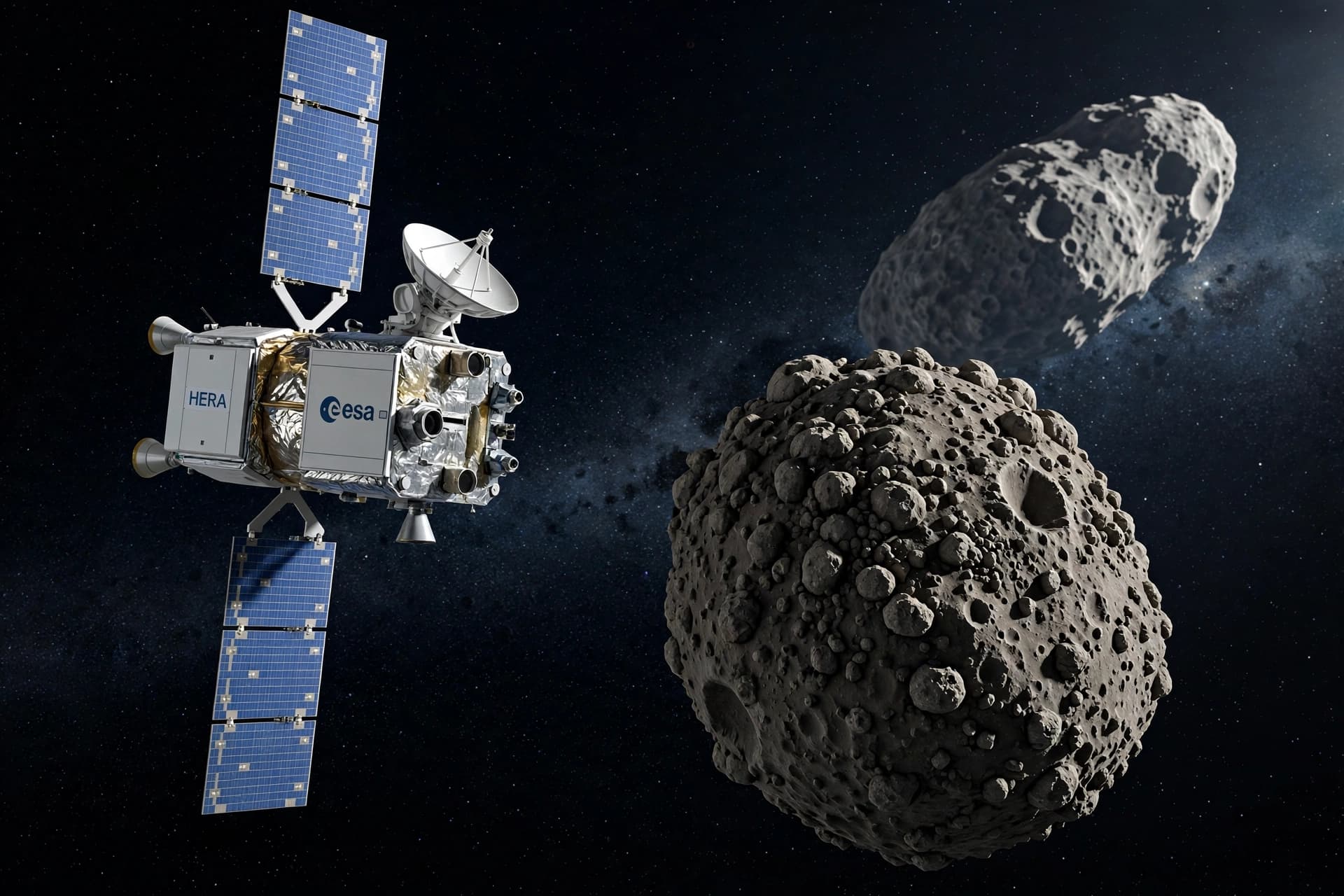
AI Image Disclaimer: Some visuals associated with this article were created using AI-generated imagery to represent future scientific research environments.
Sources: Nature, MIT Technology Review, Science Magazine, Reuters
Published by Banx Network. This article is part of the Banx decentralized media programme, powered by the BXE token on the XRP Ledger.