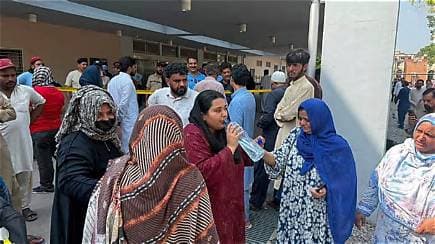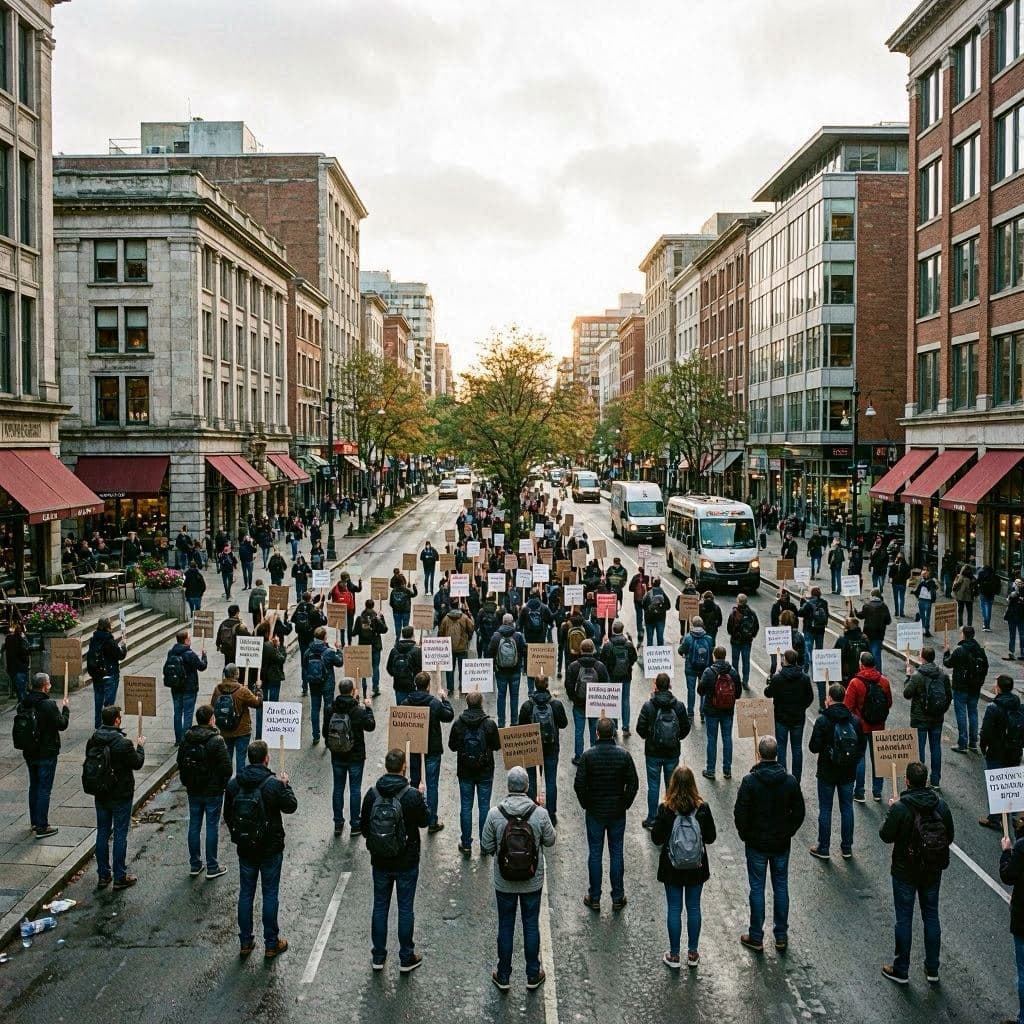
The streets of South Africa’s major cities have recently become stages for a profound and unsettling expression of social frustration. Thousands of citizens have gathered, their voices rising in a unified chorus demanding the departure of foreign nationals. This wave of unrest is not merely a political demonstration but a raw manifestation of deep-seated economic anxieties and social tensions that have been simmering beneath the surface of the nation’s post-apartheid democracy.
At the heart of these protests is a complex narrative of scarcity and survival. Many South Africans, particularly in working-class communities, feel that the promise of economic liberation has remained elusive. With unemployment rates stubbornly high and public services often strained, migrants from neighboring countries have become visible scapegoats for broader systemic failures. The sentiment is not always born of inherent hatred, but rather of a desperate competition for limited resources and opportunities.
The targets of this anger are diverse, ranging from informal traders to skilled professionals, yet they are often lumped together under a single, generalized label. This homogenization ignores the significant contributions many migrants make to the economy, filling labor gaps and fostering cross-border trade. However, in the heat of the moment, nuance is often lost, replaced by a simpler, more volatile narrative of "us versus them."
Civil society organizations and human rights groups have expressed deep concern over the rhetoric employed during these demonstrations. They warn that dehumanizing language can quickly escalate into violence, threatening the safety of vulnerable individuals and undermining the rule of law. The call for migrants to "leave" is not just a policy preference but a directive that challenges the fundamental principles of dignity and human rights enshrined in the country’s constitution.
Government responses have been mixed, with some officials condemning the xenophobic undertones while others have struggled to address the underlying economic grievances that fuel such sentiments. The challenge lies in balancing the legitimate concerns of citizens about job security and service delivery with the legal and moral obligations to protect all residents, regardless of their origin. It is a delicate equilibrium that requires both empathy and firm leadership.
Historically, South Africa has prided itself on being a beacon of hope and unity in Africa, a place where diversity was celebrated as a strength. These protests serve as a sobering reminder that this ideal is fragile and requires constant nurturing. The current unrest invites a reflective pause on how nations can manage migration in a way that is both humane and sustainable, ensuring that no group feels marginalized or threatened.
As the dust settles on these demonstrations, the question remains how to bridge the divide between citizens and migrants. Solutions may lie in more transparent immigration policies, better integration programs, and, most importantly, robust economic strategies that create opportunities for all. Until then, the tension will likely persist, a testament to the unfinished work of building a truly inclusive society.
AI Image Disclaimer: The visual elements accompanying this piece are generated by artificial intelligence to provide conceptual context and do not depict real-world scenes or individuals.
Sources: Al Jazeera Reuters BBC News The New York Times Daily Maverick
Published by Banx Network. This article is part of the Banx decentralized media programme, powered by the BXE token on the XRP Ledger.