The Atlantic Ocean is not merely a body of water; it is a vast, breathing engine that regulates the climate of our planet. At the heart of this system lies the Atlantic Meridional Overturning Circulation (AMOC), a powerful current that transports warm water northward and cold water southward. For years, scientists have warned that this vital artery is slowing down, but recent findings suggest that the weakening is not a temporary fluctuation. Instead, it appears to be a persistent trend driven by human-induced climate change, raising alarms about the potential for a catastrophic collapse.
New evidence indicates that the AMOC has weakened significantly over the past century, reaching levels unseen in thousands of years. This decline is attributed to the influx of fresh water from melting ice sheets, particularly in Greenland, which disrupts the density-driven flow of the current. The data reveals a disturbing pattern: the current is not just slowing; it is losing its stability, moving closer to a tipping point from which recovery may be impossible. This realization shifts the narrative from one of caution to one of urgent concern.
The implications of an AMOC collapse are profound. Europe, which relies on the current for its mild winters, could face drastic cooling, while tropical regions might experience intensified heat and altered rainfall patterns. The disruption would ripple through global weather systems, affecting agriculture, sea levels, and biodiversity. It is a scenario that challenges our understanding of climate resilience and highlights the interconnectedness of Earth’s systems. The stakes are not just regional but global, touching every continent.
Scientists emphasize that while a complete collapse is not imminent, the risk is growing. The window for preventing such an outcome is narrowing, requiring immediate and sustained action to reduce greenhouse gas emissions. The findings serve as a stark reminder that the climate system is sensitive to perturbations and that past stability does not guarantee future safety. It is a call to recognize the fragility of the natural balances that sustain life.
The psychological impact of this news is significant. For many, the ocean represents constancy and depth, a refuge from the volatility of human affairs. To learn that even this vast system is vulnerable creates a sense of unease. Yet, it also fosters a deeper appreciation for the complexity of our planet and the responsibility we hold as stewards of its health. It invites a reflective pause on our relationship with nature.
Policy makers are now faced with the challenge of translating scientific warnings into effective action. International cooperation is essential, as the AMOC is a global phenomenon that respects no borders. Strategies must include not only emission reductions but also adaptation measures to prepare for potential changes. The goal is to build resilience in communities that are most at risk, ensuring that they can withstand the shocks of a changing climate.
Public awareness plays a crucial role in driving this change. By understanding the science behind the AMOC, citizens can advocate for policies that prioritize environmental protection. Education and communication are key to bridging the gap between complex research and public perception. It is a collective effort that requires patience, persistence, and a shared commitment to the future.
In the end, the story of the AMOC is a testament to the power of observation and the importance of heeding warning signs. It reminds us that the Earth is a dynamic system, capable of both great stability and sudden change. By acting now, we can hope to preserve the balance that has allowed human civilization to flourish. The ocean’s message is clear: the time to act is before the tide turns irreversibly.
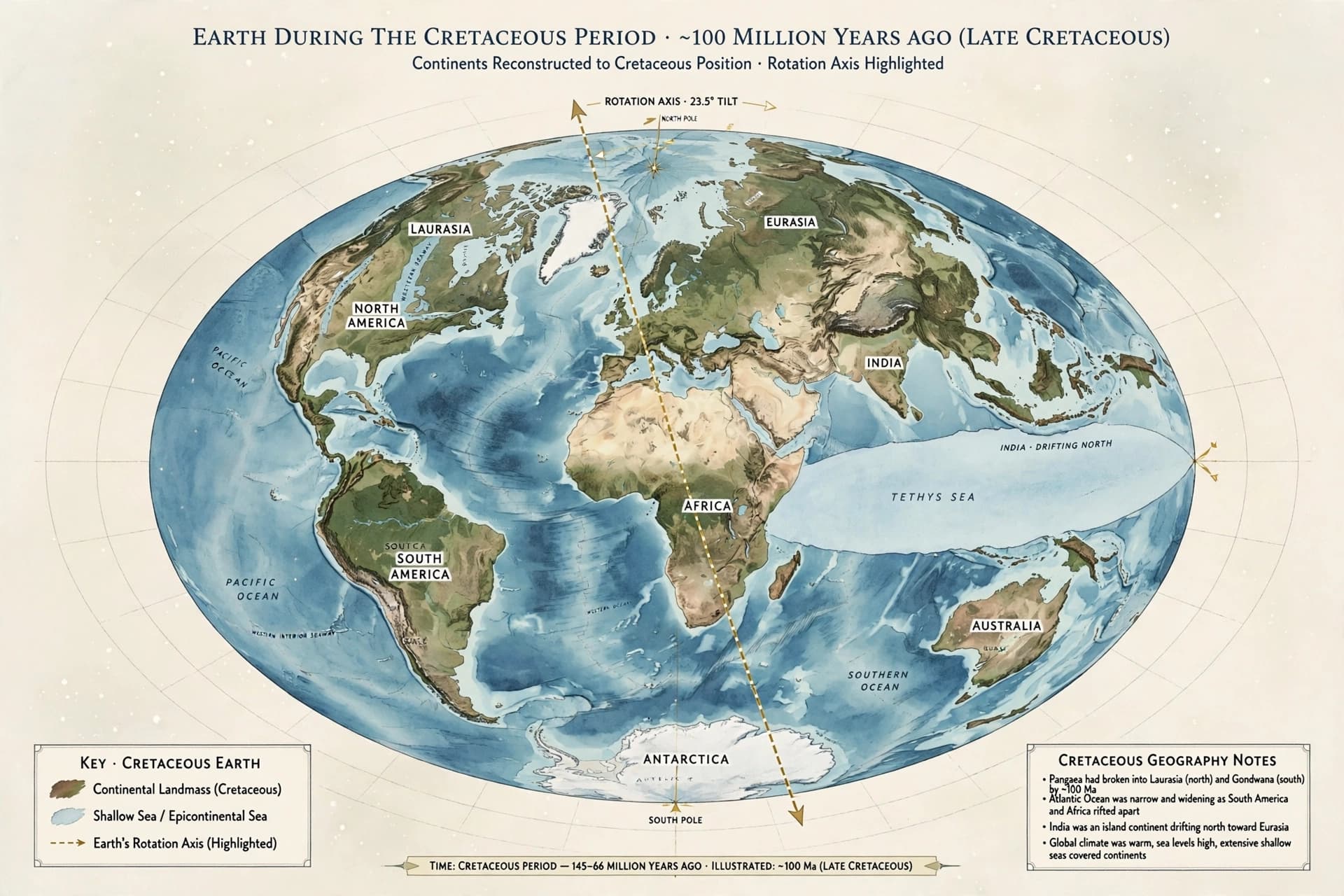
AI Image Disclaimer: The visual representations included in this article are generated by artificial intelligence to illustrate thematic concepts and do not depict actual oceanographic data or maps.
Sources: The Guardian Yale Environment 360 Carbon Brief Science.org
Published by Banx Network. This article is part of the Banx decentralized media programme, powered by the BXE token on the XRP Ledger.