The world runs on a rhythm, a quiet pulse of energy that flows through pipelines and across oceans, often unnoticed until it stutters. In the intricate dance of global commerce, the Strait of Hormuz serves as a narrow throat through which a significant portion of the world’s oil must pass. It is a place where geography dictates destiny, and where the slightest tremor in political stability can send shockwaves through economies thousands of miles away. As tensions rise in the region, the world holds its breath, watching the delicate balance between supply and demand teeter on the edge of uncertainty. This is not merely a story of barrels and prices; it is a narrative of interdependence, where the fate of one nation’s economy is inextricably linked to the stability of another’s shores.
Recent developments have cast a long shadow over these vital waterways. Reports indicate that heightened tensions have led to a reevaluation of risk by major shipping companies and energy traders. The fear is not just of immediate disruption, but of a prolonged period of instability that could reshape trade routes and alter the strategic calculations of nations reliant on imported energy. The market, ever sensitive to the whisper of conflict, has responded with volatility, reflecting the deep-seated anxiety that permeates the global economic landscape. It is a reminder that in our connected world, distance offers little protection from the repercussions of regional discord.
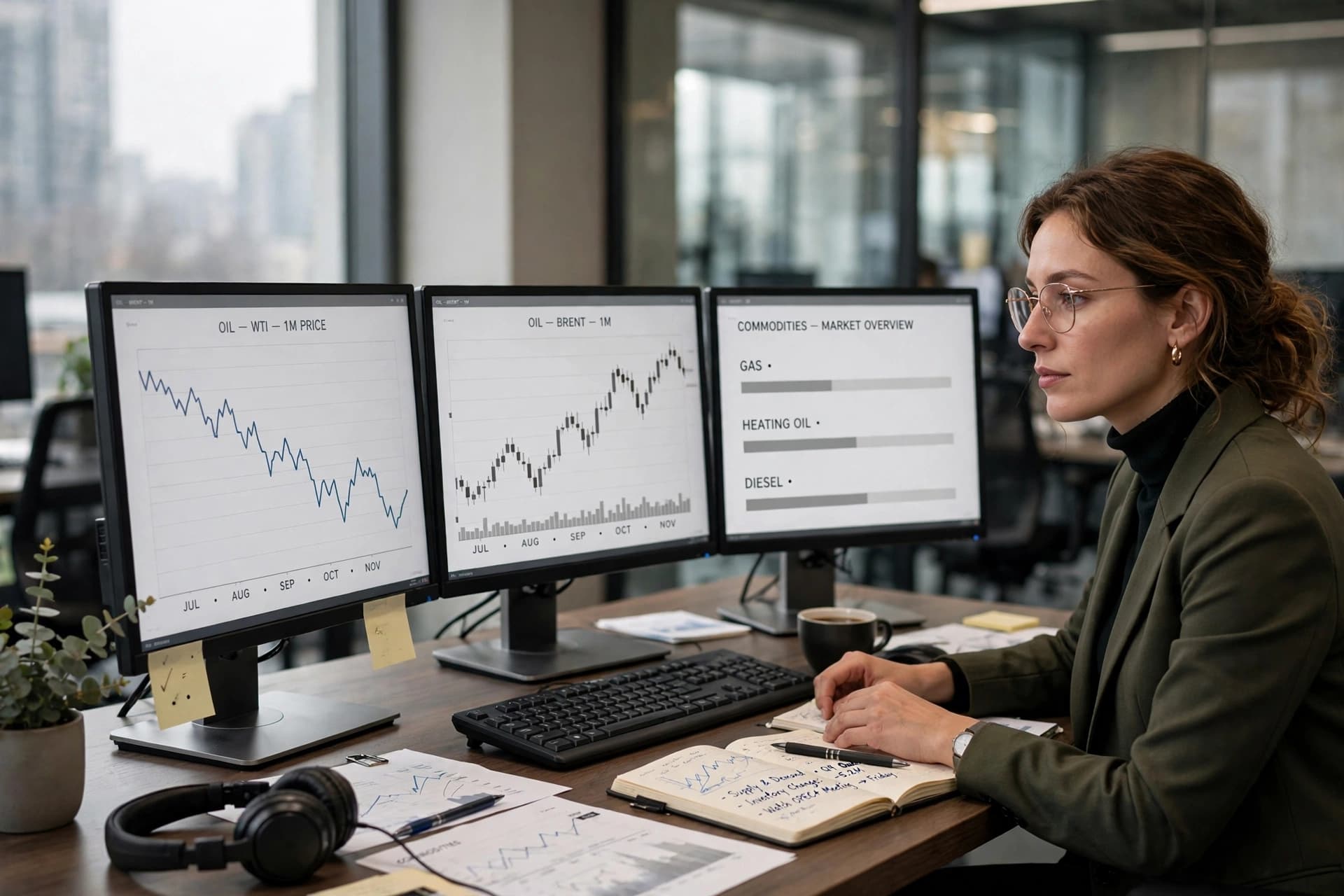
The impact of this uncertainty is felt most acutely in the pricing mechanisms that govern our daily lives. Oil, the lifeblood of modern industry, sees its value fluctuate with every headline, every diplomatic statement, and every military maneuver. For consumers, this translates into uncertainty at the pump and in the cost of goods transported across continents. For businesses, it means navigating a labyrinth of hedging strategies and contingency plans, always aware that the ground beneath their feet could shift without warning. The ripple effect extends beyond energy, touching everything from manufacturing costs to agricultural production, creating a web of economic vulnerability.
Yet, amidst the anxiety, there is also a sense of resilience. The global energy market has weathered storms before, adapting to new realities and finding alternative pathways when traditional routes are compromised. Nations are increasingly looking to diversify their energy sources, investing in renewable technologies and exploring domestic reserves to reduce their dependence on volatile regions. This shift, driven by both economic necessity and environmental concern, represents a slow but steady move towards a more decentralized and robust energy infrastructure. It is a transformation that promises greater stability, though it requires time and significant investment to fully realize.
The role of international organizations in mitigating these risks cannot be overstated. Bodies such as OPEC find themselves in a precarious position, tasked with balancing the interests of member states while maintaining global market stability. Internal divisions, exacerbated by external pressures, make this task increasingly difficult. The cartel’s ability to influence prices and manage supply is tested by the very conflicts that threaten its members’ security. In this complex environment, diplomacy becomes as crucial as production capacity, requiring a delicate touch to navigate the competing demands of politics and economics.
For the average citizen, these macroeconomic shifts may seem distant, abstract concepts discussed in boardrooms and news studios. However, their impact is tangible, felt in the rising cost of living and the uncertain job markets that characterize periods of global instability. The connection between a tanker in the Persian Gulf and a family’s budget in America or Europe is direct, though often obscured by the layers of global supply chains. Understanding this connection is essential for grasping the true cost of geopolitical tension, not just in human terms, but in economic ones as well.
As we look to the future, the question remains: how will the world adapt to this new normal of persistent uncertainty? The answer likely lies in a combination of technological innovation, diplomatic engagement, and strategic diversification. Countries that invest in energy independence and foster strong international partnerships will be better positioned to weather the storms of geopolitical conflict. Those that remain overly reliant on single sources or unstable regions may find themselves increasingly vulnerable to the whims of fate.
The narrative of global energy is one of constant evolution, shaped by the interplay of technology, politics, and human need. While the current chapter is marked by tension and uncertainty, it also offers an opportunity for reflection and change. By acknowledging our interdependence and working towards more sustainable and secure energy systems, we can build a future that is less susceptible to the shocks of regional conflict. It is a challenge that requires collective effort and a willingness to look beyond immediate gains to long-term stability.
In the end, the flow of oil is more than just a commodity transaction; it is a testament to our shared reliance on the resources of our planet. As tensions ease or escalate, the world watches, waits, and adapts. The hope is that through dialogue and cooperation, the arteries of global trade can remain open, ensuring that the pulse of the global economy continues to beat steadily, even in times of trouble.
AI Image Disclaimer: Images in this article are AI-generated illustrations, meant for concept only.
Sources: CNN Business Reuters Financial Times NPR Bloomberg
Published by Banx Network. This article is part of the Banx decentralized media programme, powered by the BXE token on the XRP Ledger.