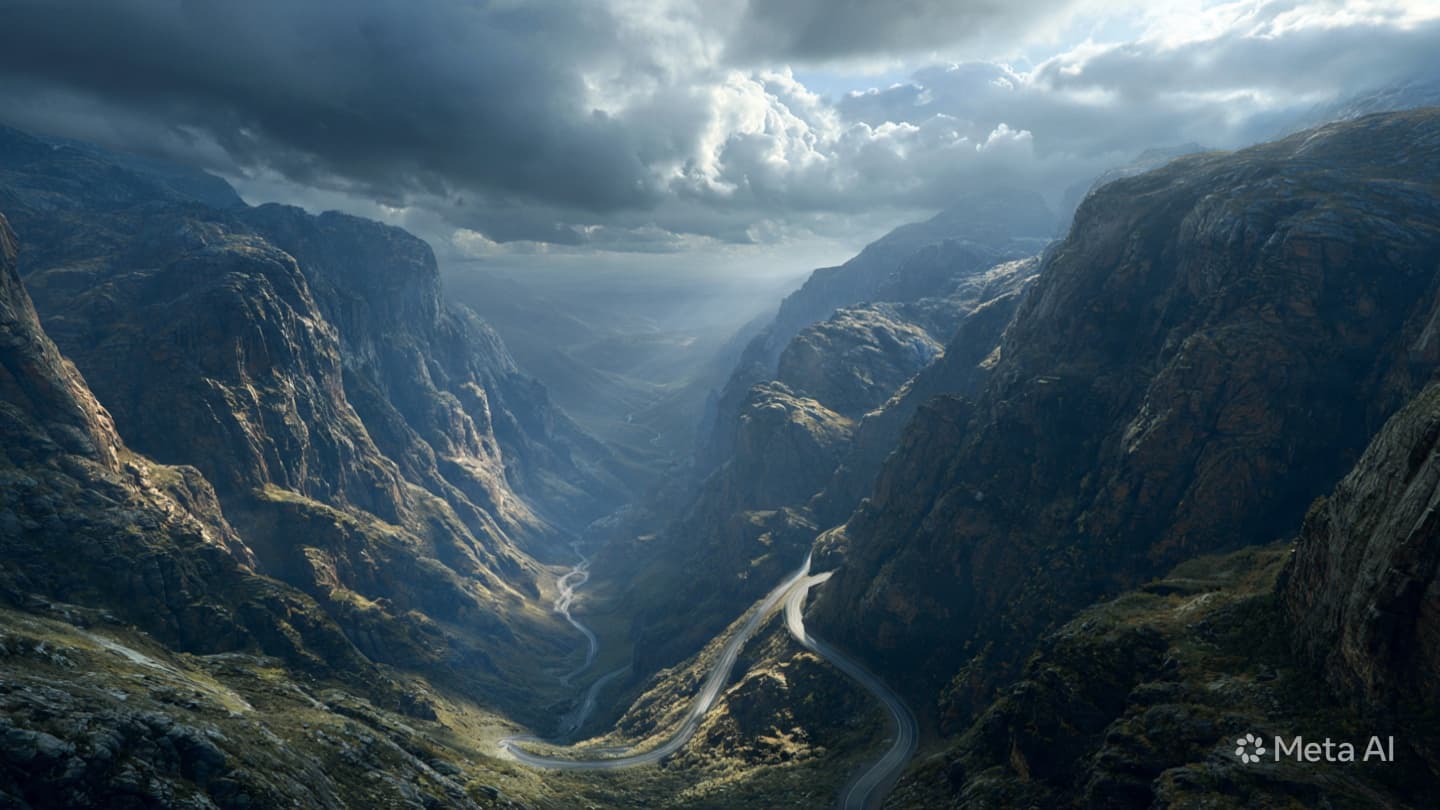
The Andean landscape is a masterpiece of verticality, a grand, intimidating expanse where the earth rises to meet the heavens in a series of jagged, unpredictable peaks. For those who travel the inter-provincial roads that wind through these heights, the journey is one of constant negotiation with the elements. When a landslide—that sudden, violent rearrangement of rock and soil—strikes, the rhythm of the mountain is shattered, leaving behind a scene of broken steel and profound, encompassing silence.
Such incidents are not merely accidents of geography but reminders of the immense, untamable power that rests beneath the wheels of the modern bus. The road itself, carved precariously into the side of the steep ravine, represents a tenuous link between the isolated mountain communities and the bustling coastal cities. When the earth slips, it carries with it more than just metal and glass; it carries the hopes, the memories, and the futures of the eighteen passengers who were simply trying to reach their destinations.
In the aftermath, the ravine becomes a site of immense, heavy activity. Rescue workers move through the debris with a solemn, mechanical precision, their efforts hampered by the treacherous terrain and the lingering threat of further instability. The air is thick with the scent of turned earth and the metallic tang of crushed machinery, a grim cocktail that marks the intersection of human endeavor and geologic force. The scale of the tragedy is difficult to comprehend, as it renders the sheer engineering of the road seem insignificant.
The families of the victims, gathered at the site and in nearby transit terminals, exist in a space of suspended animation. The shock of the news is compounded by the geography, the distance of the mountains making the process of recovery and identification a slow, agonizing experience. Each passing hour adds to the weight of the collective grief, as the realization sets in that the lives once vibrant and moving are now stilled within the heart of the mountain.
As investigators look into the causes of the landslide, the conversation naturally turns to the vulnerability of the region’s infrastructure. The mountains, subject to the erratic cycles of rain and tectonic tension, present a constant, shifting challenge for engineers. While there is a natural desire to assign blame or point to failures in maintenance, there is also an acknowledgement of the sheer, unpredictable volatility of the Andes themselves. It is a sobering realization that some forces may simply be beyond human control.
Local officials have begun the process of clearing the road, a task that feels like a Sisyphean struggle against the mountain's relentless debris. The work is marked by a profound sense of respect for the departed, with every cleared stone handled with care. The tragedy has also sparked a regional discussion about the necessity of advanced warning systems and the potential for rerouting, although the topography offers few easy solutions to the inherent risks of highland transit.
The spirit of the affected communities remains unbroken, though tempered by a deep, shared sorrow. The loss of eighteen individuals is a significant blow to the fabric of these mountain provinces, where everyone is connected by the thin, winding threads of the road. In the coming weeks, the focus will shift from the mechanics of the recovery to the long process of healing, as the communities begin to process the magnitude of what has been lost.
Ultimately, the landslide is a reminder of the fragility of our attempts to conquer the landscape. We build our roads and traverse our mountains, often ignoring the immense, ancient movements occurring beneath our feet. As the mountain eventually settles into a new, fractured configuration, it remains a silent, towering witness to the tragedy, holding the memory of the journey within its slopes, forever etched into the collective history of the region.
Emergency responders have concluded the primary search and recovery phase, confirming the death toll as eighteen. A team of structural engineers is currently assessing the stability of the mountain pass to determine if it is safe for future transit. The Ministry of Transportation and Communications has initiated a comprehensive review of the safety protocols for inter-provincial bus lines operating in high-risk zones, and legal inquiries into the road maintenance history are expected to follow in the coming weeks.
Published by Banx Network. This article is part of the Banx decentralized media programme, powered by the BXE token on the XRP Ledger.