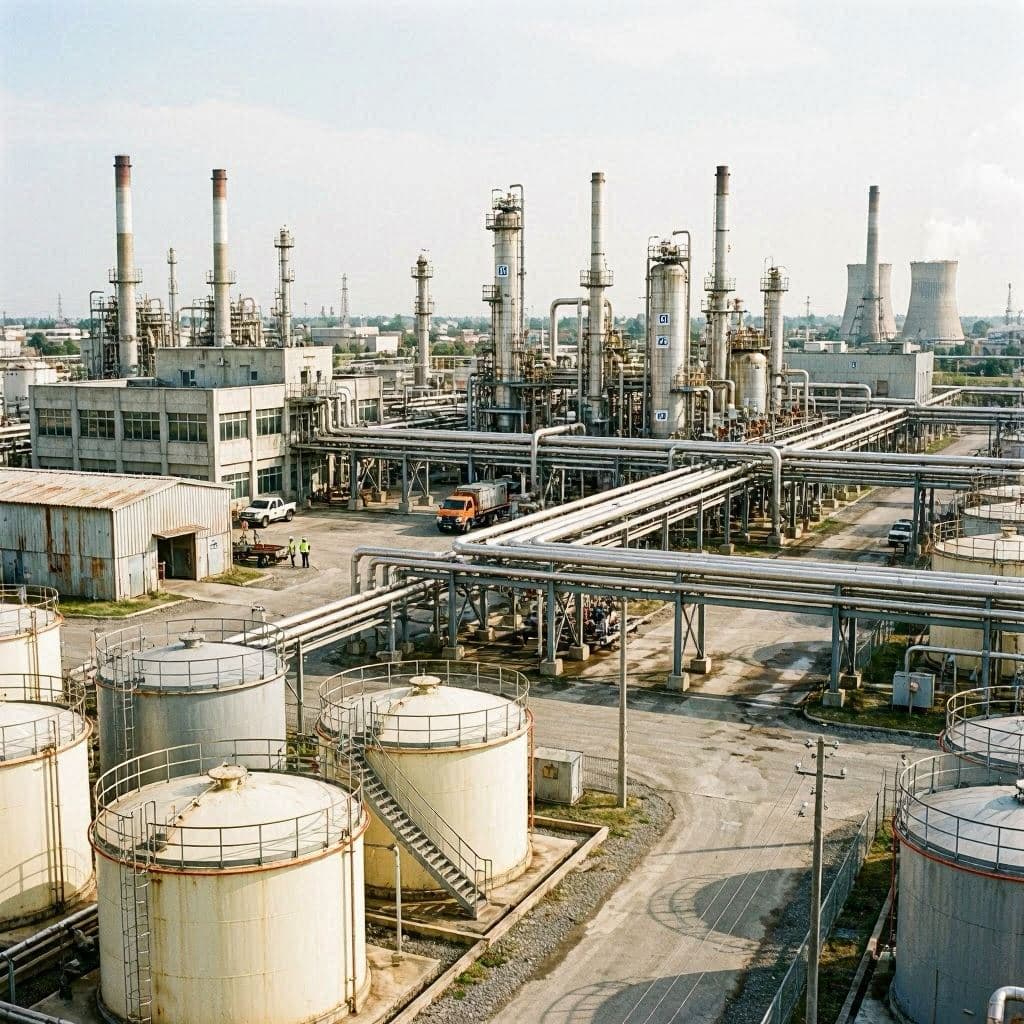
A refinery is often compared to the heart of an industrial city. Day and night, it transforms raw resources into the fuel that keeps vehicles moving, factories operating, and communities connected. When activity slows or stops, the effects can travel far beyond the gates of the facility itself. Recent concerns surrounding Russia's energy sector have renewed discussions about how disruptions at major oil infrastructure could influence the country's economy and broader energy markets.
Reports and market analyses have highlighted the importance of Moscow's refining network within Russia's domestic fuel supply system. Large refineries process significant volumes of crude oil into gasoline, diesel, and other petroleum products that support transportation and industrial activity. Any interruption to operations naturally attracts attention from policymakers and energy analysts.
Energy specialists often describe two broad scenarios when refinery operations face extended disruptions. The first involves maintaining domestic fuel supplies by redirecting production from other facilities. Such a strategy may reduce immediate shortages but can place additional pressure on logistics networks and production capacity elsewhere in the country.
The second scenario focuses on adjustments to exports and commercial distribution. Temporary changes in export volumes could help stabilize domestic markets, although such measures may influence international trade relationships and energy pricing. Energy markets are interconnected, and developments in one region can affect conditions in many others.
Russia remains one of the world's major energy producers, making developments in its oil sector relevant to global markets. Investors and commodity traders regularly monitor refinery operations, transportation infrastructure, and production trends to assess potential impacts on supply and demand.
Government agencies and industry operators often respond to disruptions through contingency planning. Reserve inventories, alternative transportation routes, and maintenance strategies can help reduce operational risks. The effectiveness of these measures depends on the scale and duration of any interruption.
Economic analysts note that stable energy production supports industrial activity, employment, and public services. Prolonged disruptions may create additional costs for businesses and require careful management to maintain market stability. At the same time, energy companies continually invest in infrastructure improvements to strengthen resilience.
International observers also watch developments in major energy-producing nations because oil markets influence transportation, manufacturing, and consumer prices around the world. Changes in production or refining capacity can contribute to shifts in global commodity trends.
While analysts discuss various possible outcomes, the broader lesson remains clear: modern economies rely heavily on reliable energy infrastructure. Whether through operational adjustments, market responses, or policy decisions, maintaining stability within critical sectors continues to be an important priority for both producers and consumers.
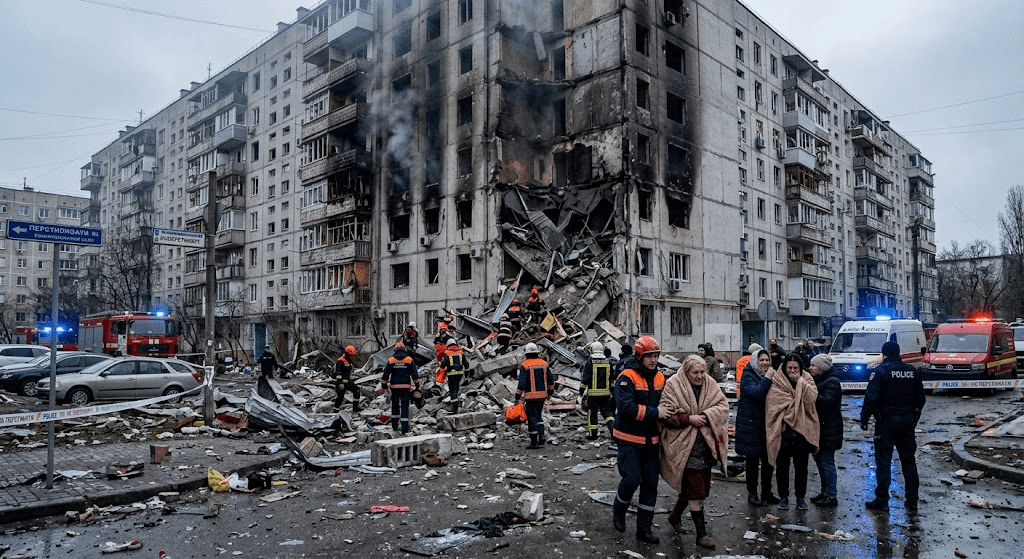
AI Image Disclaimer: The visual illustrations accompanying this article are AI-generated editorial depictions and do not represent actual events or locations.
Sources Verified: Reuters, Bloomberg, Financial Times, Energy Intelligence
Published by Banx Network. This article is part of the Banx decentralized media programme, powered by the BXE token on the XRP Ledger.