
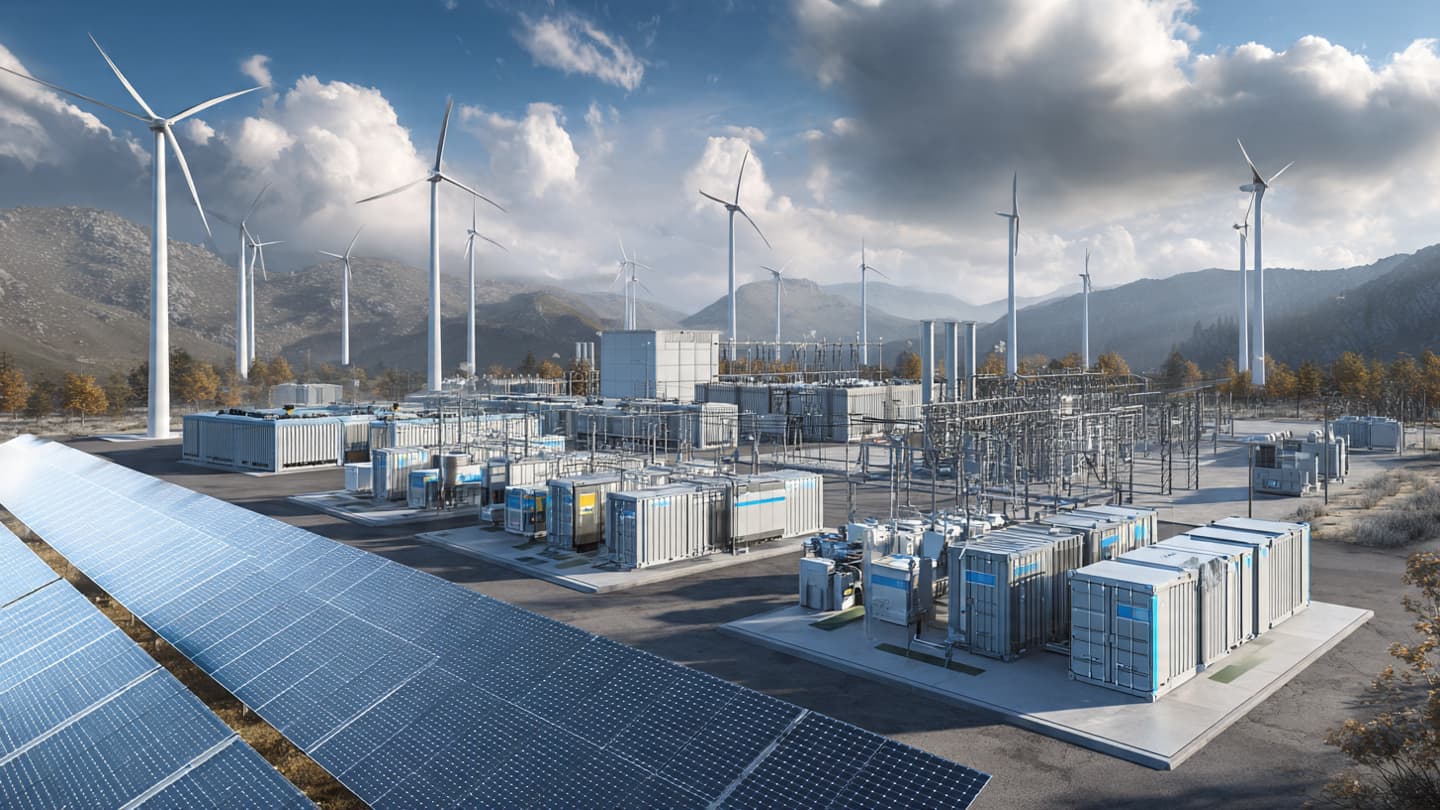
The energy sector is undergoing a transformation that extends far beyond individual companies or national borders. Across Europe, energy producers are increasing investments in low-carbon technologies as they respond to shifting regulations, changing consumer expectations, and evolving market dynamics. The movement reflects a broader effort to prepare for an energy future that is expected to look significantly different from the one that dominated much of the twentieth century.
Low-carbon investment encompasses a wide range of technologies and initiatives. Renewable energy projects, energy storage systems, hydrogen development, carbon capture solutions, and improvements in energy efficiency all form part of the transition. Companies are evaluating how these opportunities fit within broader strategies designed to balance profitability with long-term sustainability.
Policy frameworks have played an important role in encouraging investment. European governments and institutions have introduced measures aimed at reducing emissions while supporting innovation. These policies provide signals that influence corporate decision-making and help shape expectations regarding future market conditions.
Technological progress continues to improve the economics of many low-carbon solutions. Costs associated with renewable energy generation have declined substantially over time, making projects increasingly competitive. Similar advances are occurring in areas such as battery storage and hydrogen technology, though varying levels of maturity remain across different sectors.
Financial markets have also become more attentive to sustainability considerations. Investors frequently evaluate environmental performance alongside traditional business metrics when assessing long-term prospects. As a result, companies pursuing credible transition strategies may benefit from broader access to capital and stronger stakeholder support.
The transformation is creating new opportunities for collaboration. Energy companies are forming partnerships with technology providers, infrastructure developers, research institutions, and governments. Such cooperation can help accelerate innovation while reducing the risks associated with large-scale projects.
At the same time, challenges remain substantial. Existing energy systems cannot be replaced immediately, and ensuring reliable power supplies remains a priority. Policymakers and industry leaders must therefore manage a transition that balances environmental objectives with economic and operational realities.
Consumer expectations continue evolving as awareness of sustainability issues grows. Businesses and households are increasingly interested in cleaner energy options, creating additional incentives for companies to diversify their portfolios and explore new technologies.
The acceleration of low-carbon investment across Europe signals a recognition that energy markets are changing. While the transition will likely unfold over many years, the direction of travel has become increasingly clear. For energy companies, adapting to this new environment is no longer simply an option—it is becoming a central element of long-term strategy and competitiveness.
AI Image Disclaimer
Illustrations were produced with AI and serve as conceptual depictions.
Source Check Sources identified before writing:
Reuters Bloomberg AFP Financial Times International Energy Agency (IEA)
Note: This article was published on BanxChange.com and is powered by the BXE Token on the XRP Ledger. For the latest articles and news, please visit BanxChange.com