
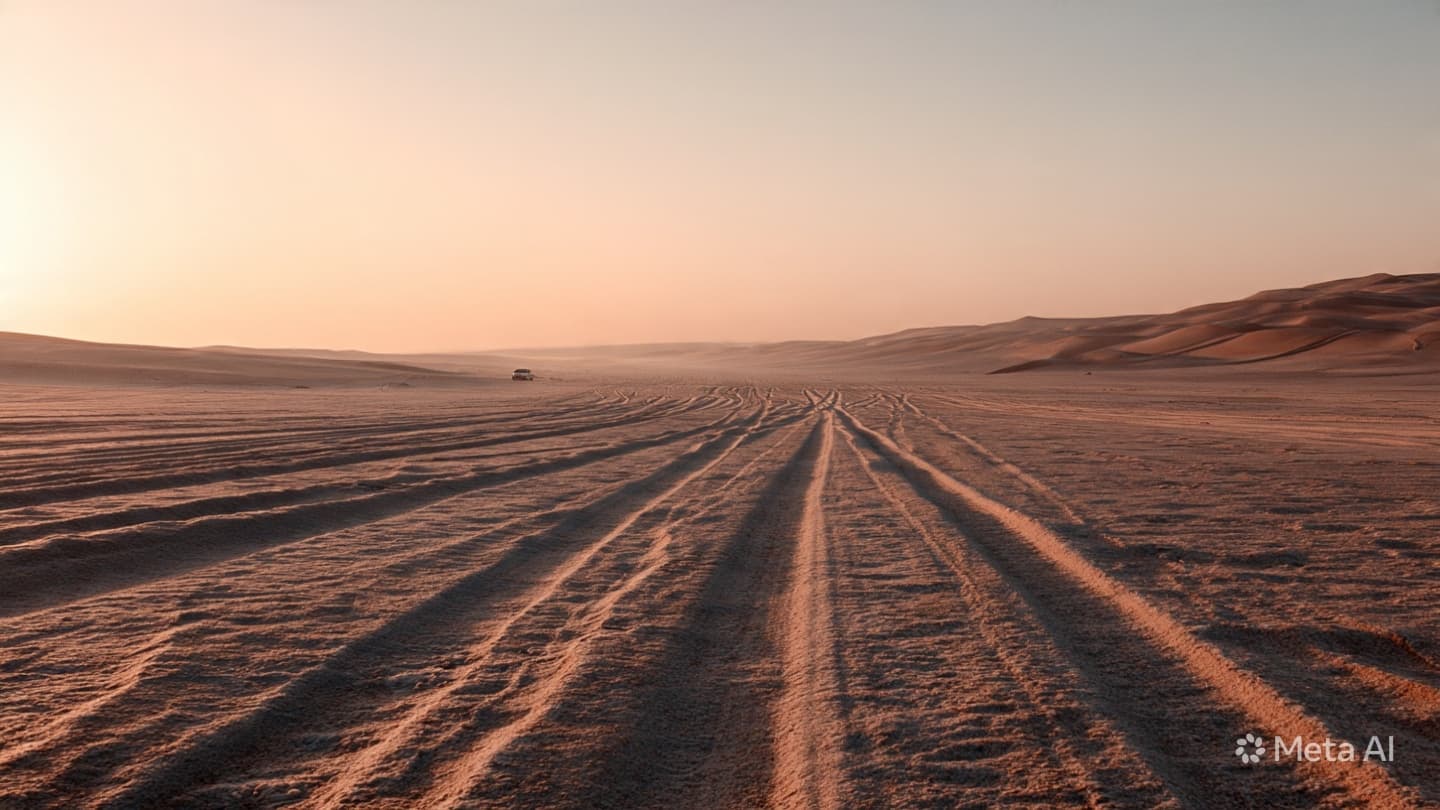
The sun over the Horn of Africa does not so much rise as it breaks across the arid earth, illuminating a landscape of stark, beautiful severity and deep, unspoken human displacement. For decades, the paths leading away from the Eritrean highlands have been walked by the young, the hopeful, and the desperate, trailing a line of footprints through the dust toward the promise of an uncertain elsewhere. Despite shifting international policies, fortified borders, and the global gaze of humanitarian institutions, the underground architecture that facilitates this flight remains stubbornly, tragically intact.
To understand the persistence of these human trafficking routes is to look into a shadow world where human desperation has been thoroughly monetized and turned into a highly lucrative commodity. The networks that operate along these paths do not exist in a vacuum; they are deeply embedded within the complex, fractured geography of transit states, utilizing old nomadic trails and modern digital finance with equal fluency. It is a system that thrives on the absence of legal alternatives, turning the basic human impulse for safety into an extractive financial enterprise.
The journey begins in the quiet of the night, a hushed departure from villages where the future has felt static for a generation, under the shadow of indefinite national obligations. Those who flee place their lives into the hands of brokers who promise passage through the burning expanses of neighboring territories, toward the volatile coasts of the Mediterranean or the Red Sea. What follows is often a brutal descent into vulnerability, where the migrant ceases to be a person and becomes a ledger entry, held for ransom in makeshift desert compounds.
The resilience of these criminal syndicates lies in their decentralization and their capacity to co-opt local structures along the migratory corridor. High-ranking figures within the transit zones operate with an unsettling degree of impunity, exploiting the economic precarity of borderlands where smuggling is often the only viable industry. It is a multi-tiered economy where local guides, corrupt officials, and international financial facilitators all take their cut from the savings of anxious diaspora families funding the journey from afar.
In the European cities where many of these journeys eventually terminate, the legal system is only now beginning to uncover the full, terrifying scope of these transnational networks. Recent courtroom testimonies have revealed a complex web of extortion and intimidation that follows refugees even after they have crossed oceans, a system of state-linked or independent criminal repression that reaches deep into the diaspora. The money that changes hands through informal banking channels eventually loops back to the source, ensuring the wheels of the machine keep turning.
The humanitarian workers who staff the remote reception camps describe a human toll that numbers cannot adequately contain—a litany of exhaustion, trauma, and the quiet grief of those whose companions were lost to the desert heat or the swells of unseaworthy vessels. Yet, the flow does not stem, because the pressure from behind remains greater than the terror of the path ahead. The calculation made by the traveler is one of survival, a gamble against the elements and the cruelty of men for a chance at a dignified life.
There is a profound stillness in the desert locations where these routes intersect, a vast silence that belies the intense human drama unfolding across the sand every single day. The international community watches through the lens of periodic reports and diplomatic statements, offering aid to the symptoms of the crisis while the structural roots remain unaddressed. The trafficking rings continue to adapt, shifting their safe houses and altering their coordinates with the fluid grace of the desert wind.
As long as the conditions that compel flight remain unchanged, the trails through the scrubland will continue to be walked by those with everything to lose. The golden light of evening fades over the jagged mountains, leaving the vast, open paths to the dark, where small groups move forward in silence, guided by the stars and the dictates of survival. The networks wait in the shadows, ready to collect their toll from the endless line of the displaced.
The United Nations High Commissioner for Refugees documented that over twenty-five thousand Eritrean nationals sought asylum across European jurisdictions during the last operational cycle, highlighting the continued volume along the Central Mediterranean route. International prosecutors recently concluded a major joint investigation confirming the systematic use of informal hawala financial systems to launder millions in ransom money collected from migrant families. Regional security monitors noted that border closures in neighboring states have merely driven trafficking syndicates toward more perilous, isolated desert tracks.
Note: This article was published on BanxChange.com and is powered by the BXE Token on the XRP Ledger. For the latest articles and news, please visit BanxChange.com