

Key Highlights
- USMCA:The United States-Mexico-Canada Agreement is a significant trade framework.
- Economic Impact:Millions of jobs in North America are linked to this agreement.
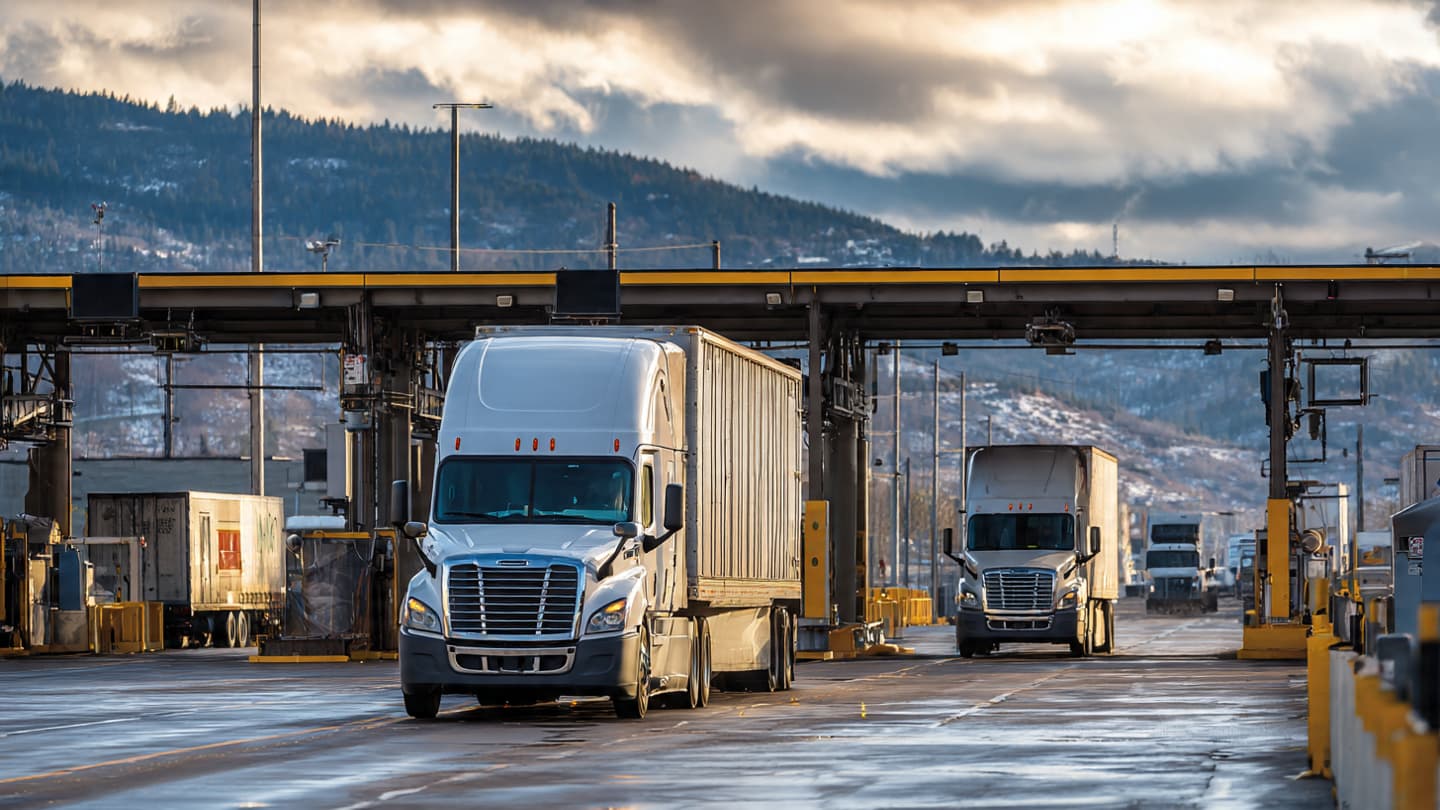
- Trade Dynamics:Goods often cross borders multiple times during production.
The United States-Mexico-Canada Agreement (USMCA), also known as CUSMA, has recently garnered renewed attention as discussions about its future unfold. This trade agreement serves as a crucial economic bridge between Canada and the United States, facilitating the flow of goods, services, and investments across borders. As one of the largest free-trade frameworks globally, the USMCA plays a vital role in the economic landscape of North America.
For decades, the economic relationship between Canada and the United States has been characterized by robust trade across various sectors, including manufacturing, agriculture, energy, and technology. This partnership has created millions of jobs, both directly and indirectly, underscoring the importance of maintaining a stable trade environment. Business leaders and policymakers are acutely aware that even minor adjustments to trade policies can significantly impact investment decisions and market expectations.
Supporters of the USMCA emphasize the stability it provides for companies operating in both countries. The predictability of trade rules allows businesses to plan long-term investments and maintain efficient supply chains. This stability is particularly crucial in an era where global supply chains are increasingly complex and interdependent.
Periodic reviews are a built-in feature of many trade agreements, including the USMCA. These reviews enable governments to assess how economic conditions evolve and determine whether updates to the agreement are necessary. Economic analysts highlight that the trading relationship between Canada and the United States is one of the most integrated in the world, with goods often crossing the border multiple times during the production process before reaching consumers.
Beyond the economic implications, trade discussions also carry significant diplomatic weight. Strong commercial ties can reinforce broader cooperation in areas such as security, infrastructure, and environmental policy. As both nations engage in ongoing conversations about the future of the USMCA, they remain cognizant of the need to maintain confidence among businesses and investors.
The outcome of these negotiations could have far-reaching effects on economic planning across North America for years to come. As the dialogue continues, stakeholders from various sectors are closely monitoring developments, recognizing that the USMCA is not just a trade agreement but a vital economic bridge that supports the livelihoods of millions.
Published by Banx Network. This article is part of the Banx decentralized media programme, powered by the BXE token on the XRP Ledger.




