
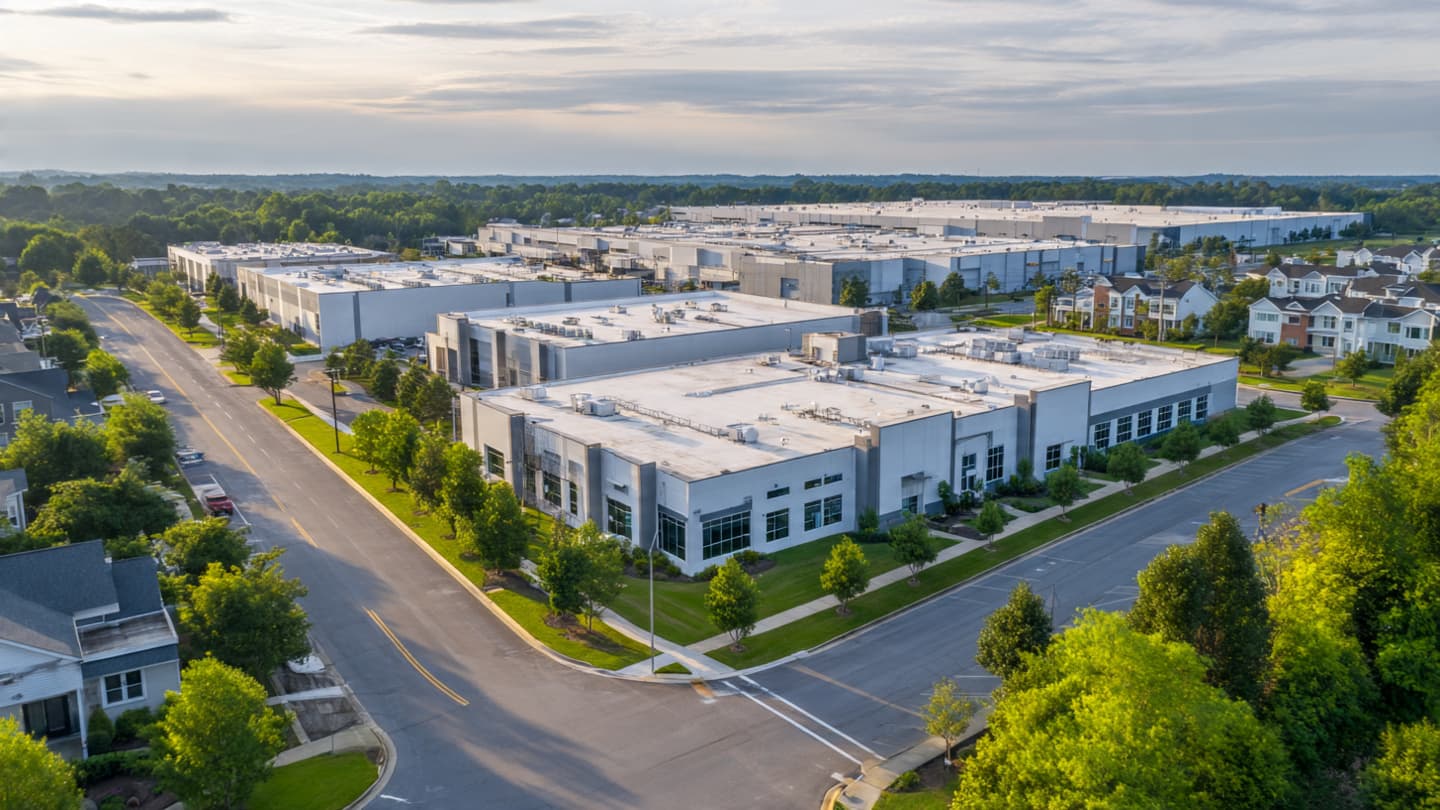
In many communities, the arrival of a data center feels a bit like watching a new skyline emerge overnight. Vast buildings rise where fields once stood, bringing promises of technological progress while also raising questions about energy use, local resources, and the future shape of neighborhoods. Across the United States, that tension is increasingly finding its way into political conversations.
Public concern over data centers has grown alongside the rapid expansion of artificial intelligence and cloud computing. Residents in several states have expressed worries about electricity consumption, environmental impacts, and changes to local landscapes. Surveys cited by policymakers suggest that many Americans oppose the construction of large data centers near their homes.
Despite that frustration, relatively few elected officials have embraced calls for outright bans. Instead, politicians from both major parties have generally favored regulatory approaches that seek to balance economic development with community concerns.
Part of the hesitation stems from the economic benefits associated with data center projects. Construction often creates thousands of temporary jobs, while local governments may view technology investment as a way to attract additional business activity. Labor organizations have also supported some projects because of the employment opportunities they generate.
Another factor is the growing importance of artificial intelligence and digital infrastructure within the national economy. Many policymakers argue that limiting data center development could reduce competitiveness in a sector viewed as strategically important for future growth.
Instead of supporting bans, many candidates have focused on proposals requiring technology companies to cover the costs of their electricity consumption or contribute more directly to local infrastructure. Others have called for greater transparency regarding how projects are approved and developed.
The debate has become particularly visible in politically competitive states such as Ohio, Michigan, and Georgia, where both community opposition and industry investment continue to expand. As residents raise concerns about utility costs and environmental impacts, politicians are increasingly being asked to explain where they stand.
For voters, the issue often extends beyond technology itself. Questions about land use, quality of life, and public accountability have become intertwined with broader discussions about artificial intelligence and economic change.
As election campaigns continue, the conversation is likely to remain focused on regulation rather than prohibition. While public frustration has influenced political rhetoric, most leaders appear to be seeking ways to manage the industry's growth rather than halt it altogether.
AI Image Disclaimer: The illustration associated with this article is AI-generated and intended solely as a visual interpretation of the topic.
Sources Verified: The Washington Post, Gallup, Reuters
Note: This article was published on BanxChange.com and is powered by the BXE Token on the XRP Ledger. For the latest articles and news, please visit BanxChange.com