The deep ocean remains one of Earth's least explored frontiers, a realm where darkness conceals stories that have unfolded over centuries and even millennia. Occasionally, scientific exploration reveals scenes so unusual that they reshape understanding of life in the deepest parts of the sea.
Researchers operating a deep-sea submersible have reported the discovery of what appears to be the world's largest known whale-fall graveyard, a collection of whale skeletons resting on the ocean floor. The finding surprised scientists because of both its scale and concentration.
When whales die and sink to the seabed, their remains create unique ecosystems known as whale falls. These sites provide nutrients for a wide variety of organisms, supporting complex communities that may persist for decades.
The newly identified graveyard contains multiple whale skeletons spread across a deep-ocean region. Scientists described the concentration as unexpected, prompting questions about how so many whale remains accumulated in the same area.
Marine biologists note that whale falls serve as ecological islands within otherwise food-limited deep-sea environments. Specialized organisms, including worms, crustaceans, and microbes, often depend on these nutrient-rich habitats.
Researchers used advanced submersible technology and high-resolution imaging systems to document the site. Detailed surveys are now underway to identify species present and better understand the area's ecological significance.
The discovery may also provide valuable information about whale migration patterns, ocean circulation, and long-term environmental conditions. Each skeleton preserves clues about marine ecosystems from the past.
Deep-sea exploration continues revealing environments that remain largely unknown despite decades of oceanographic research. Scientists frequently emphasize that much of the seafloor remains unmapped and insufficiently studied.
Further investigation is expected to continue in the coming years, but the discovery already highlights how much remains to be learned about the hidden landscapes and ecological processes operating far beneath the ocean's surface.
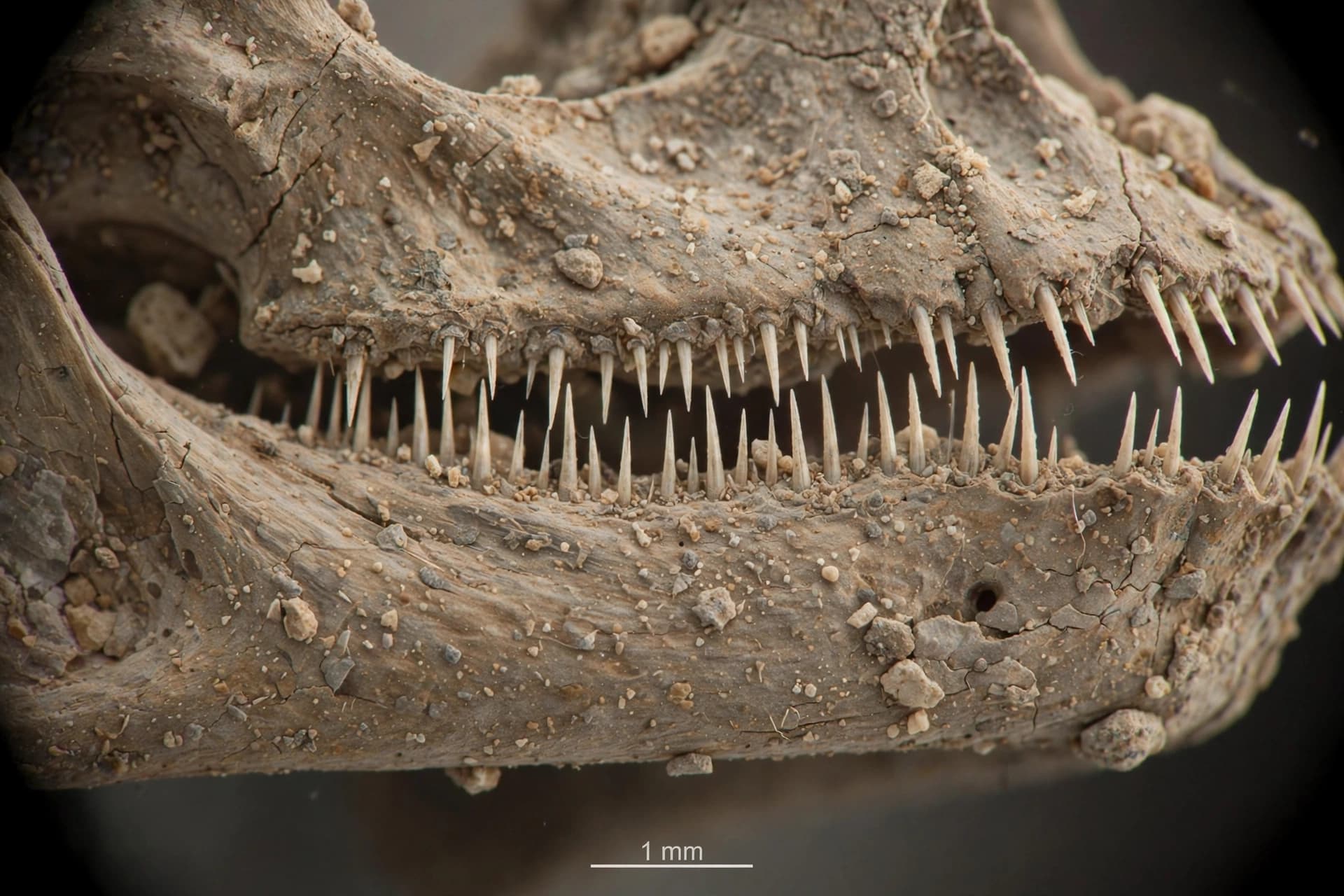
AI Image Disclaimer: The accompanying images are AI-generated visualizations designed to illustrate the scientific setting described in this article.
Sources Verified: National Geographic, NOAA, Science Advances, Live Science, Oceanographic research publications
Published by Banx Network. This article is part of the Banx decentralized media programme, powered by the BXE token on the XRP Ledger.