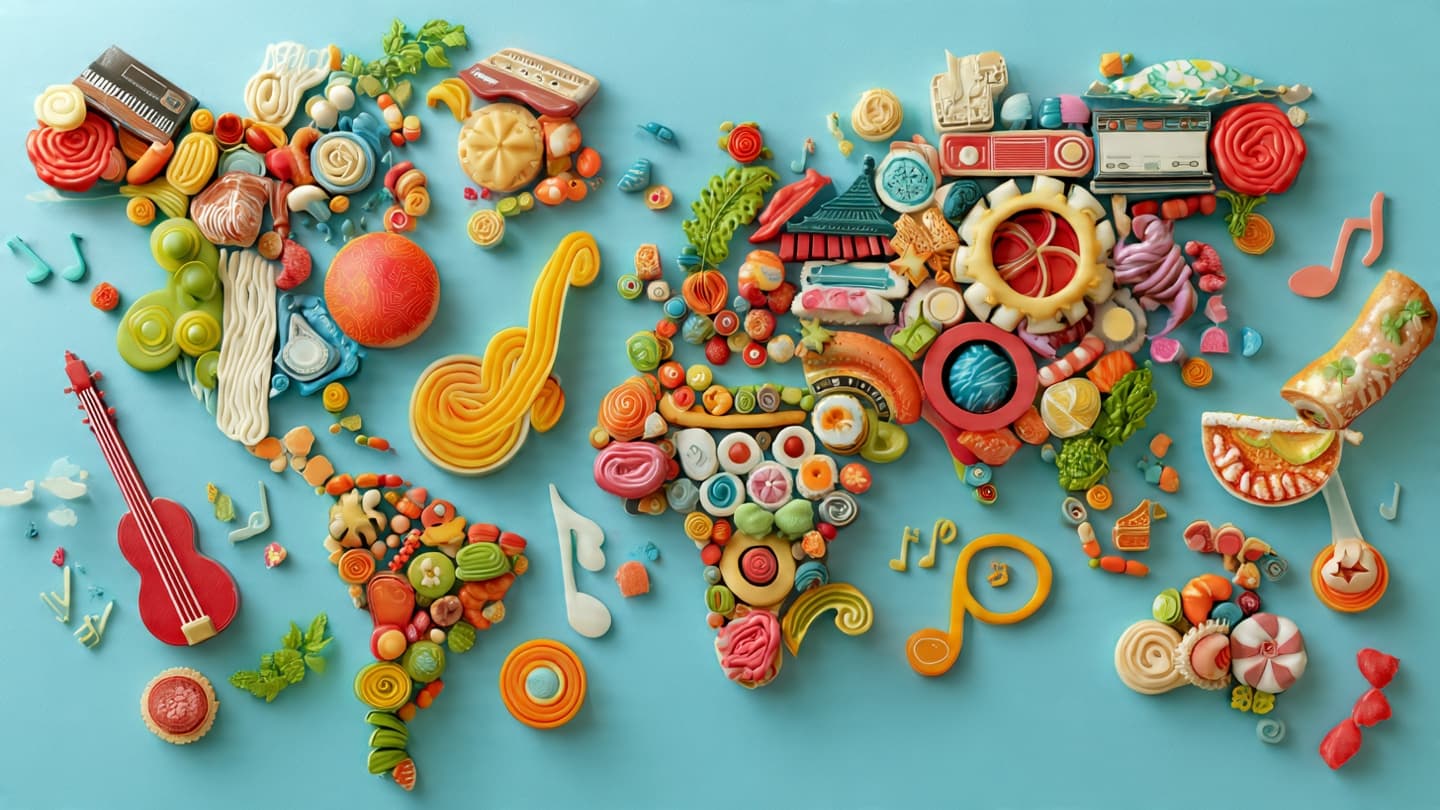
In an interconnected world, military might and economic strength are no longer the only determinants of influence. Culture, values, and ideas have become powerful tools of diplomacy, known collectively as "soft power." From K-pop concerts in Paris to Hollywood films in Beijing, cultural exports shape perceptions, build connections, and foster mutual understanding. Recent trends highlight how nations are leveraging their cultural assets to enhance their global standing, creating bridges that transcend political divides. This soft power diplomacy is subtle but profound, influencing hearts and minds in ways that hard power cannot.
South Korea is a prime example of this strategy. The global success of its music, cinema, and cuisine has transformed its image from a war-torn nation to a vibrant cultural hub. This "Korean Wave" has boosted tourism, increased exports, and enhanced diplomatic leverage. It has created a positive association with the country, making it easier to negotiate trade deals and build alliances. Similarly, Japan’s anime and manga have cultivated a loyal global fanbase, promoting Japanese values and aesthetics worldwide.
For the United States, cultural influence has long been a cornerstone of its foreign policy. American music, fashion, and technology are ubiquitous, spreading ideals of freedom and innovation. However, this dominance is sometimes viewed as cultural imperialism, leading to resistance in some regions. Balancing promotion with respect for local traditions is key to effective soft power. It requires dialogue and exchange, not just broadcasting.
Emerging economies are also entering the arena. Nigeria’s Nollywood, India’s Bollywood, and Turkey’s television dramas are gaining international audiences, showcasing diverse narratives and perspectives. This diversification enriches the global cultural landscape, challenging Western hegemony and promoting multipolarity. It allows for a more inclusive representation of human experience, fostering empathy across borders.
The digital age has amplified the reach of soft power. Social media platforms allow cultural products to go viral instantly, reaching millions without traditional gatekeepers. Influencers and creators play a crucial role in shaping opinions and trends. Governments are increasingly engaging with these digital natives, recognizing their potential as diplomatic ambassadors.
However, soft power is fragile. It depends on authenticity and consistency. Hypocrisy or negative domestic policies can undermine cultural appeal. For instance, human rights violations or political instability can tarnish a nation’s image, regardless of its cultural output. Therefore, soft power must be backed by credible actions and values.
As we look to the future, the role of culture in international relations will grow. In a world facing shared challenges like climate change and pandemics, building trust and cooperation is essential. Soft power provides the emotional and social glue that holds these partnerships together. It reminds us of our common humanity.
In the end, the cultural bridge is a testament to the power of connection. It shows that art, music, and stories can unite us across differences. By investing in cultural exchange, nations can build a more peaceful and understanding world. The diplomacy of the future is not just about treaties; it is about ties. AI Image Disclaimer: Graphics are AI-generated and intended for representation, not reality.
Sources: Financial Times Reuters CNN The New York Times BBC
Published by Banx Network. This article is part of the Banx decentralized media programme, powered by the BXE token on the XRP Ledger.