In the quiet corridors of corporate risk management, a new reality is taking shape. The widespread detection of H5N1 avian influenza in livestock and poultry has revealed significant gaps in traditional insurance coverage. As the virus spreads across farms and processing facilities, businesses are discovering that their policies may not adequately protect them from the financial fallout of such a pervasive biological threat.
The H5N1 virus, long known for its impact on bird populations, has increasingly crossed species barriers, affecting dairy cattle and other mammals. This evolution has caught many insurers off guard, as standard agricultural policies often exclude pandemics or specific viral strains. For farmers and agribusinesses, the result is a precarious financial position, where the cost of culling infected herds and lost production falls heavily on their own shoulders.
Insurance providers are now scrambling to reassess their risk models. The unpredictability of zoonotic diseases makes them difficult to price accurately, leading to higher premiums or outright exclusions. This shift places a burden on small and medium-sized enterprises, which may lack the capital reserves to withstand prolonged disruptions. The industry is grappling with how to balance profitability with the need for comprehensive protection.
Government interventions have played a role in mitigating some losses, but these measures are often temporary and limited in scope. Federal aid programs can provide relief, but they do not replace the stability of private insurance. The gap between public support and private coverage leaves many businesses vulnerable to future outbreaks, highlighting the need for more robust risk transfer mechanisms.
Experts argue that the current insurance landscape is outdated, designed for a world where disease outbreaks were rare and localized. In an era of global connectivity and climate change, the frequency and severity of such events are increasing. Insurers must innovate, developing new products that address the specific risks of zoonotic diseases and supply chain interruptions.
For consumers, the implications are subtle but significant. If producers cannot secure adequate coverage, the cost of food may rise, or supply chains may become less resilient. The stability of the agricultural sector is crucial for food security, and ensuring that it is financially protected is a matter of public interest.
The conversation around insurance reform is gaining momentum. Policymakers, industry leaders, and agricultural advocates are coming together to explore solutions. These may include government-backed reinsurance programs, mandatory coverage standards, or new collaborative models that share risk more equitably across the sector.
Closing: The H5N1 outbreak has exposed vulnerabilities in the insurance system, prompting a reevaluation of how we protect our food supply. Addressing these gaps is essential for building a more resilient and sustainable agricultural economy.
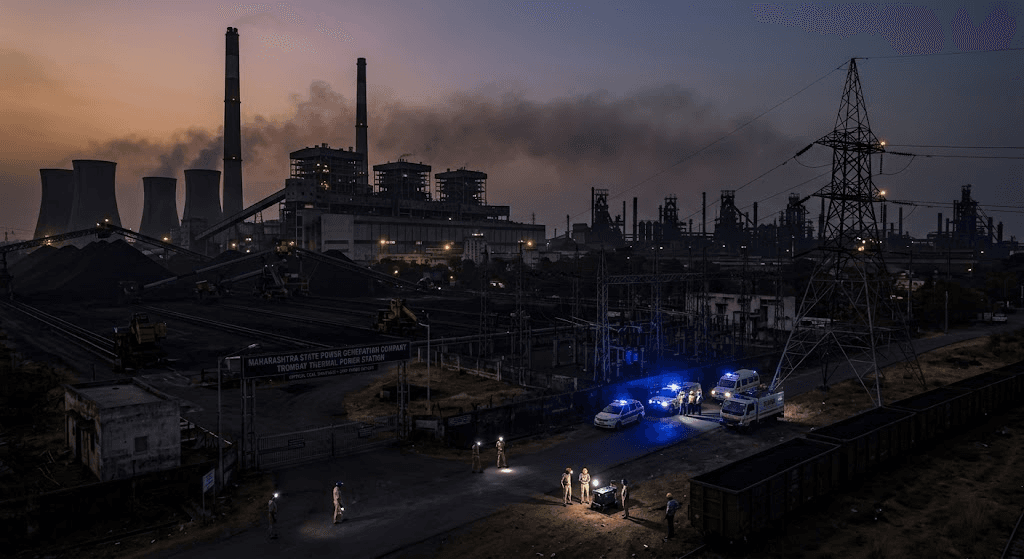
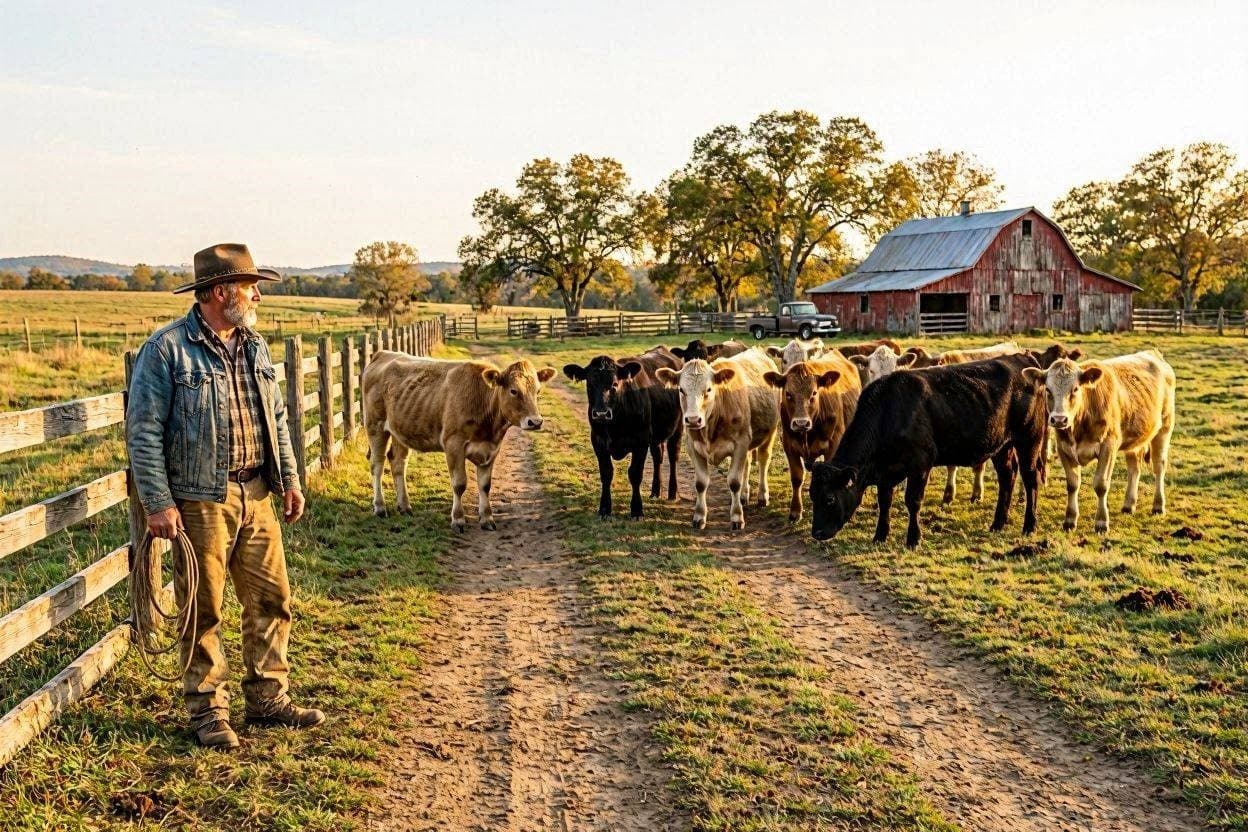
AI Image Disclaimer: Please note that the images included in this article are AI-generated visualizations created to complement the narrative and are not actual photographs of infected animals or insurance documents.
Sources: Reuters Bloomberg Farm Journal Insurance Journal
Published by Banx Network. This article is part of the Banx decentralized media programme, powered by the BXE token on the XRP Ledger.