
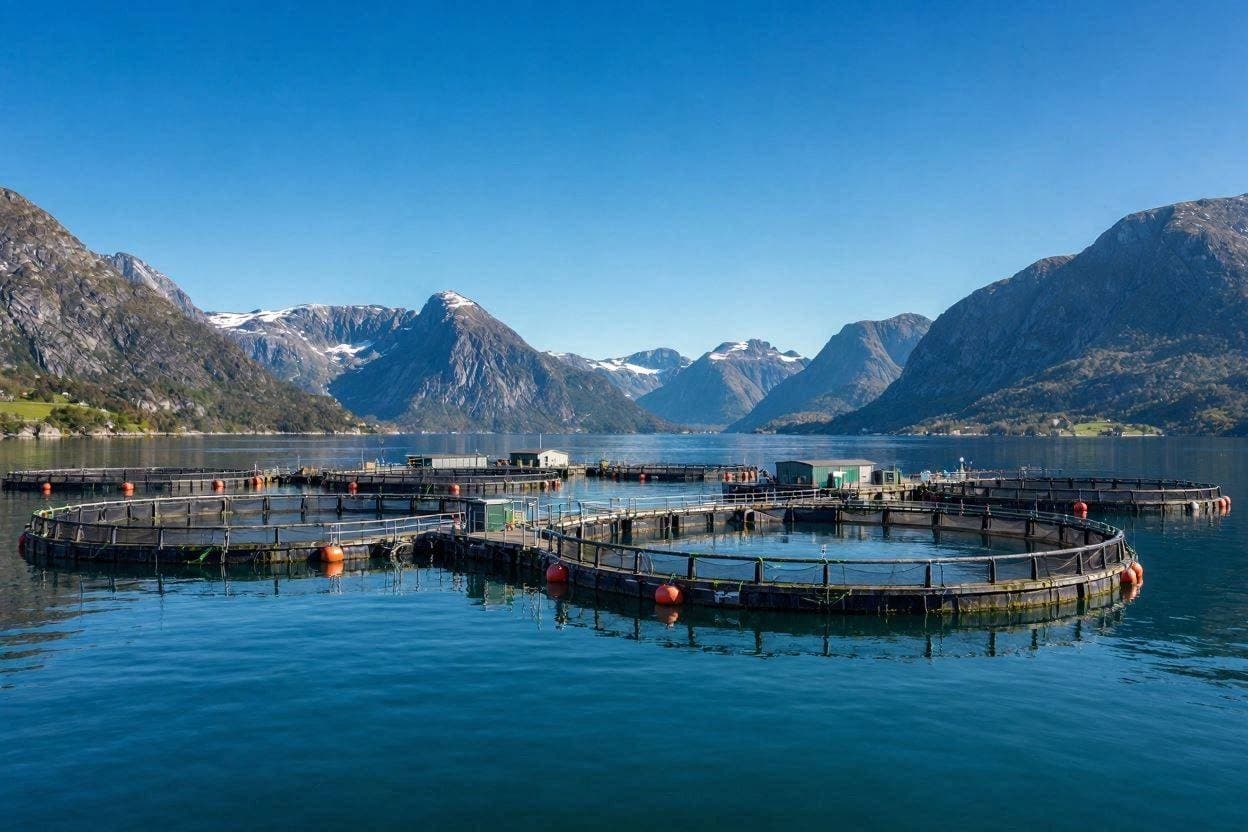
In the pristine fjords of Norway, where cold waters once seemed endless and pure, the salmon farming industry has grown into a global powerhouse. But with success comes scrutiny, and now the nation is facing the environmental consequences of its aquaculture boom. From rising sea temperatures to pollution and disease, the challenges are mounting, forcing a reevaluation of how this vital industry operates. The story of Norwegian salmon is no longer just one of economic triumph but also of ecological responsibility.
As the world’s largest exporter of farmed salmon, Norway’s practices have a ripple effect across the globe. The current struggles highlight the delicate balance between production and preservation, urging a shift toward more sustainable methods.
Body: The industry is grappling with record-high sea temperatures, which have exacerbated problems with salmon lice and other diseases. Warmer waters create ideal conditions for parasites to thrive, leading to increased mortality rates and higher costs for treatment. The "traffic light" system, which regulates production based on environmental impact, has ordered cuts in several regions, signaling that the current model is unsustainable.
Pollution is another major concern. Fish farms release significant amounts of waste, including nutrients and medications, into coastal waters. Recent reports suggest that this effluent is equivalent to the raw sewage of tens of millions of people, affecting marine ecosystems and biodiversity. Local communities and environmental groups are calling for stricter regulations and better waste management practices.
Public acceptance of the industry is also shifting. While salmon farming provides jobs and economic growth, many Norwegians are becoming increasingly aware of its environmental footprint. Debates about the location of new farms and the expansion of existing ones are becoming more heated, reflecting a growing desire for sustainability.
The government has responded with a new white paper outlining ambitious targets for reducing mortality and improving environmental standards. However, implementation has been slow, and the industry argues that some measures are too restrictive. The tension between economic interests and ecological protection remains a central theme in national policy.
Climate change is accelerating these challenges. Extreme weather events, such as strong storms, are damaging infrastructure and disrupting operations. The industry must adapt to a changing climate, investing in stronger cages and more resilient farming techniques.
International markets are also watching closely. Consumers are demanding more transparent and sustainable sourcing, pushing companies to adopt better practices. Certification schemes and eco-labels are becoming essential for maintaining market share.
Despite the difficulties, there is hope for innovation. New technologies, such as closed-containment systems and offshore farming, offer potential solutions to reduce environmental impact. These methods, while expensive, could pave the way for a more sustainable future.
The journey ahead for Norway’s salmon industry is complex. It requires collaboration between government, industry, and communities to find a path that balances prosperity with planetary health.
Closing: Norway’s salmon industry stands at a crossroads, facing the consequences of its rapid growth. It invites a deeper commitment to sustainability, ensuring that the fjords remain healthy for generations to come.
AI Image Disclaimer: Images used in this report are AI-generated depictions intended to illustrate the themes of aquaculture and environmental challenge.
Sources: Undercurrent News Intrafish Global Salmon Initiative ScienceDirect
Published by Banx Network. This article is part of the Banx decentralized media programme, powered by the BXE token on the XRP Ledger.



