In an age where our lives are tethered to the glowing screens in our pockets, the anxiety of a dwindling battery bar is a familiar companion. We seek speed, plugging into high-wattage chargers that promise to restore power in minutes rather than hours. But beneath the convenience lies a quiet question: does this rush for energy come at a cost to the very heart of our devices? The answer, as with many things in technology, is nuanced, balancing physics with modern engineering safeguards.
Lithium-ion batteries, the standard for smartphones and electric vehicles, operate through the movement of ions between cathodes and anodes. Fast charging forces these ions to move more rapidly, generating heat and chemical stress within the cell. Heat is the primary enemy of battery longevity, as it can accelerate the degradation of internal components, leading to a reduced capacity over time. This physical reality suggests that speed and preservation are often at odds.
However, modern devices are not passive recipients of this energy. They are equipped with sophisticated battery management systems that monitor temperature and voltage in real-time. When a device detects excessive heat, it throttles the charging speed to protect the battery. This intelligent regulation means that while fast charging places more stress on the battery than slow charging, the damage is often mitigated by the device’s own protective mechanisms.
Studies, including those conducted on electric vehicles, indicate that frequent use of high-speed charging can lead to slightly faster degradation compared to regular charging. Yet, the difference is often marginal for the average user. For most people, the convenience of a quick top-up outweighs the minor loss in long-term capacity, especially given that batteries are designed to be replaced or degrade naturally over several years.
The context of usage also matters. Charging a cold battery quickly can cause lithium plating, a phenomenon that permanently damages the cell. Conversely, charging in moderate temperatures with a certified charger minimizes risks. It is not the speed alone but the conditions under which it occurs that determine the impact on battery health.
For those who plan to keep their devices for many years, adopting a habit of slower, overnight charging may help preserve maximum capacity. Using lower-wattage chargers when time permits allows the battery to cool and settle, reducing cumulative stress. It is a small adjustment that can extend the life of the device, aligning with a more sustainable approach to technology.
Ultimately, the choice between speed and longevity is personal. While fast charging does introduce more wear, modern technology has made it safe enough for daily use. Understanding the trade-offs allows users to make informed decisions, balancing the need for immediate power with the desire for lasting performance.
Closing: Fast charging can cause slightly more battery degradation than regular charging due to heat and chemical stress, but modern battery management systems mitigate much of the risk. For most users, the convenience outweighs the minor impact on long-term battery health.
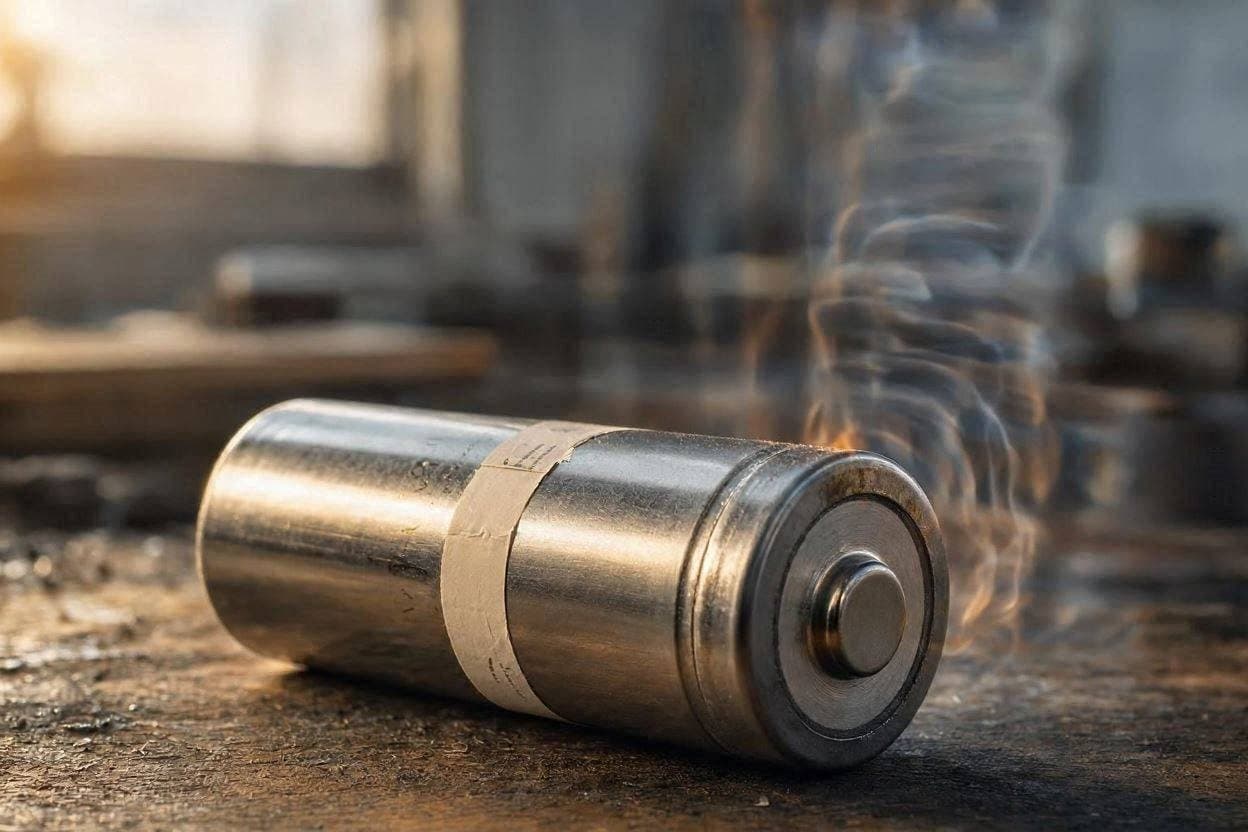
AI Image Disclaimer: Please note that any accompanying visuals for this article are AI-generated representations intended for illustrative purposes only.
Sources: Recurrent Auto, Engineering Explained, Large Battery Blog, Major Tech Reviews
Published by Banx Network. This article is part of the Banx decentralized media programme, powered by the BXE token on the XRP Ledger.