In the digital age, information travels faster than people, but sometimes it is misinformation that moves fastest of all. In late July 2026, the Spanish enclave of Ceuta, located on the North African coast, became the epicenter of a migration crisis fueled by runaway online rumors. Thousands of migrants, driven by false reports of open borders and relaxed policies, rushed toward the border fence in a frantic attempt to cross into Europe. The event underscores the powerful and often dangerous role of social media in shaping human behavior.
The rumors, spread widely through platforms like WhatsApp and TikTok, claimed that Spain had temporarily lifted border controls due to political disagreements with Morocco. While there were diplomatic tensions, no such policy change had occurred. Yet, the belief was strong enough to mobilize tens of thousands of people, many of whom had been living in precarious conditions in nearby Moroccan towns. The result was a chaotic surge that overwhelmed local authorities and led to tragic consequences.
Over the course of a few days, an estimated 60,000 people crossed into Ceuta, swimming around barriers or climbing over fences. The sheer volume of people created a humanitarian emergency, with reception centers quickly reaching capacity. Among the arrivals were hundreds of unaccompanied minors, raising urgent concerns about their safety and well-being. Spanish authorities deployed additional security forces to manage the situation, but the scale of the influx was unprecedented.
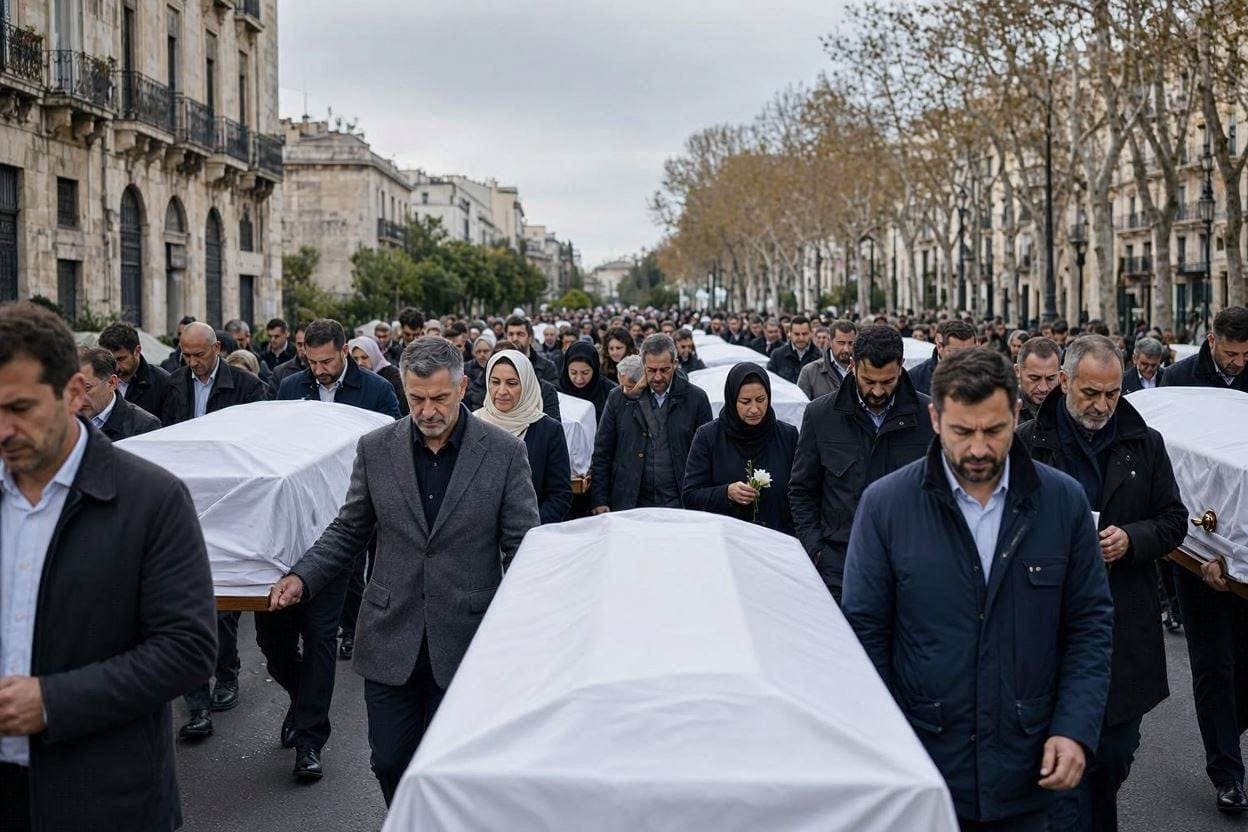
Tragically, at least 67 people lost their lives during the crossing, many drowning in the rough seas or suffering from exhaustion and injury. The deaths have sparked outrage and sorrow, both locally and internationally. Families are left grieving, while policymakers grapple with the complexities of border management in an era of digital volatility. The incident highlights the human cost of misinformation and the desperation that drives people to take such risks.
In the aftermath, Spanish officials worked to debunk the rumors and restore order. Most of the migrants eventually returned to Morocco, either voluntarily or through organized repatriation efforts. However, thousands remained in Ceuta, requiring ongoing support and processing. The event has prompted a review of border security measures, including the installation of new floating barriers and enhanced surveillance technologies.
The role of social media companies in curbing such misinformation is also under scrutiny. Critics argue that platforms must do more to prevent the spread of false information that can lead to real-world harm. While freedom of speech is a fundamental right, the responsibility to ensure accuracy and prevent panic is equally important. This incident serves as a case study in the need for better digital literacy and regulation.
The crisis in Ceuta is a reminder of the power of words and images in the modern world. As we navigate an increasingly connected society, the need for truth and verification becomes paramount. The lives lost and disrupted by these rumors call for a collective effort to promote responsible communication and compassionate policy.
AI Image Disclaimer: Visuals associated with this article are AI-generated to illustrate the humanitarian and digital aspects of the event.
Sources: Reuters Al Jazeera NBC News
Note: This article was published on BanxChange.com and is powered by the BXE Token on the XRP Ledger. For the latest articles and news, please visit BanxChange.com