In the breathtaking wilderness of British Columbia, where towering cedars meet rugged peaks and the air is crisp with the scent of pine, a quiet but critical rule has been tested. Over the recent weekend, conservation officers issued nearly 22,000 in fines to individuals who lit illegal campfires despite provincial bans. This enforcement action underscores the delicate balance between enjoying nature’s beauty and protecting it from the devastating threat of wildfires. For many, the campfire is a symbol of warmth and connection, but in dry conditions, it becomes a potential catalyst for disaster.
The issuance of these fines is not merely a punitive measure but a necessary step in safeguarding communities and ecosystems. It invites reflection on our shared responsibility to respect environmental regulations and prioritize collective safety over individual convenience.
Body: The B.C. Conservation Officer Service reported that 19 violation tickets were issued during the weekend, each carrying a fine of 1,150. These penalties were levied against campers who ignored open fire prohibitions currently in place across several regions of the province. The bans were implemented due to elevated fire risks caused by hot, dry weather and low humidity levels.
Wildfires in British Columbia have historically caused significant damage to property, wildlife habitats, and air quality. The memory of past seasons, where smoke blanketed cities and evacuations became common, remains fresh in the public consciousness. Authorities emphasize that human-caused fires are largely preventable, making adherence to bans a crucial component of wildfire management.
For outdoor enthusiasts, the restrictions can be disappointing. Camping trips often center around the evening ritual of gathering around a fire, sharing stories and meals. However, alternatives such as propane stoves and lanterns offer safe ways to enjoy the outdoors without risking ignition. Education campaigns aim to highlight these options, encouraging responsible recreation.
The financial penalty is significant, but the potential cost of a wildfire is far greater. Firefighting efforts require immense resources, including aircraft, personnel, and equipment. Moreover, the ecological recovery from a severe burn can take decades. By enforcing bans strictly, authorities hope to deter negligence and promote a culture of vigilance.
Local communities in high-risk areas have expressed support for the crackdown. Residents who live near forests understand the vulnerability of their homes and livelihoods. They view the fines as a fair consequence for actions that endanger everyone. Community leaders are also helping to spread awareness, ensuring that visitors are informed before they light a match.
Tourism operators are adapting by informing guests about current regulations upon arrival. Many campsites now provide clear signage and brochures explaining the reasons behind fire bans. This proactive communication helps reduce unintentional violations and fosters cooperation between visitors and land managers.
As the summer progresses, the risk of wildfires may fluctuate. Authorities continue to monitor weather patterns and adjust restrictions accordingly. Flexibility and responsiveness are key to managing dynamic environmental conditions. Public cooperation remains essential for the success of these measures.
The 22,000 in fines represents more than just revenue; it is a message. It signals that the protection of British Columbia’s natural heritage is a priority that demands respect and compliance from all who visit its wild spaces.
Closing: The fines issued for illegal campfires in B.C. highlight the importance of adhering to fire bans during high-risk periods. It invites campers to enjoy the wilderness responsibly, ensuring that its beauty remains intact for future generations.
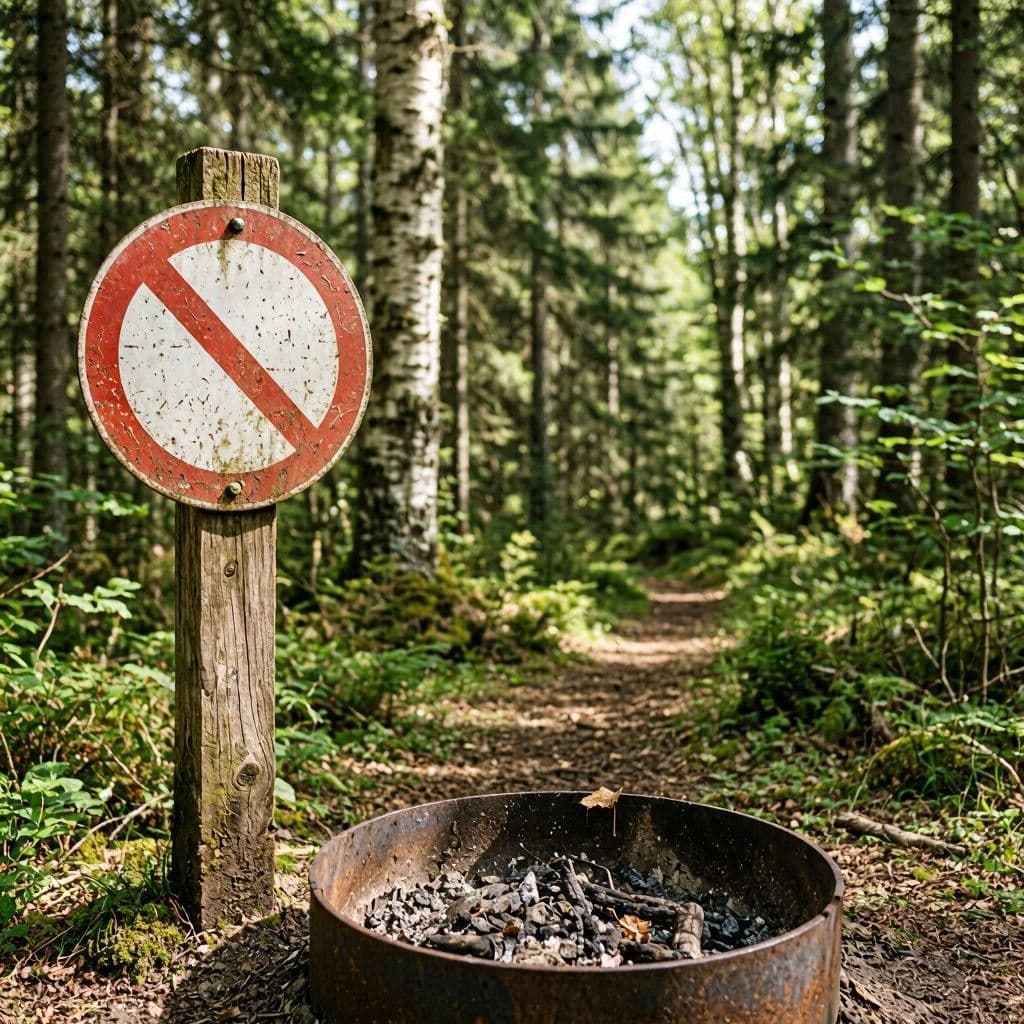
AI Image Disclaimer: The visuals accompanying this article are AI-generated illustrations designed to reflect the themes of forest conservation and responsible camping.
Sources: CKPG Today BC Wildfire Service CBC News Global News BC
Note: This article was published on BanxChange.com and is powered by the BXE Token on the XRP Ledger. For the latest articles and news, please visit BanxChange.com