The journey from a quiet suburban life to the harsh realities of a conflict zone is a path few can comprehend. For an Australian woman linked to ISIS, the transition was marked by a role that defies easy explanation: that of an enforcer of Sharia law in a Syrian camp. Recent testimony revealed to the ABC sheds light on the complexities of radicalization and the roles women played within the extremist group. It is a story that challenges our understanding of agency, coercion, and the human capacity for adaptation in extreme circumstances.
Body: The woman, whose identity is protected for legal and safety reasons, allegedly served as a moral police officer within the ISIS-controlled territories. Her duties reportedly included monitoring the behavior of other women, ensuring strict adherence to dress codes and social norms imposed by the group. This role places her in a controversial position, blurring the lines between victim and perpetrator. While she was trapped in a brutal regime, she also wielded power over others, enforcing rules that restricted freedom and dignity.
Testimony provided to authorities suggests that her involvement was not passive. She is described as having actively participated in the enforcement mechanism, using intimidation and reporting to maintain order. This level of engagement raises difficult questions about accountability. How much choice did she truly have in a environment governed by fear and violence? And what responsibility does she bear for the suffering inflicted on others under her watch?
The case highlights the nuanced reality of women in terrorist organizations. Often portrayed solely as victims of trafficking or coercion, some women assumed active roles that supported the group’s ideology. This does not negate the trauma they may have experienced but adds a layer of complexity to their narratives. Understanding this duality is crucial for developing effective rehabilitation and reintegration programs upon their return.
For the Australian government, the repatriation of such individuals presents significant legal and security challenges. Assessing the level of involvement and threat posed by each returnee requires thorough investigation. The testimony regarding her role as an enforcer will likely influence decisions about prosecution and monitoring. It underscores the need for a robust framework that balances justice with the potential for rehabilitation.
Community reactions in Australia are mixed, with some calling for strict punishment and others advocating for compassion and support. The fear of radicalization spreading within domestic communities is real, yet so is the need to address the root causes of extremism. Engaging with these difficult stories openly and honestly is essential for building resilience and preventing future recruitment.
The psychological impact on the woman herself is also a subject of interest. Living under constant threat and participating in oppressive systems can lead to profound trauma and moral injury. Rehabilitation efforts must address these deep-seated issues, helping individuals reconstruct their identities and values. It is a long and uncertain process, requiring specialized care and societal patience.
As the legal proceedings unfold, the public will continue to grapple with the implications of her actions. The story serves as a cautionary tale about the allure of extremist ideologies and the devastating consequences they bring. It reminds us that the battle against terrorism is not just military but also ideological and social.
Closing: In the end, the story of the Australian woman in Syria is a complex tapestry of choice, coercion, and consequence. It challenges us to look beyond simple labels and understand the human realities behind the headlines. As justice takes its course, the hope is that lessons learned will contribute to a safer and more informed society, capable of addressing the roots of extremism with wisdom and clarity.
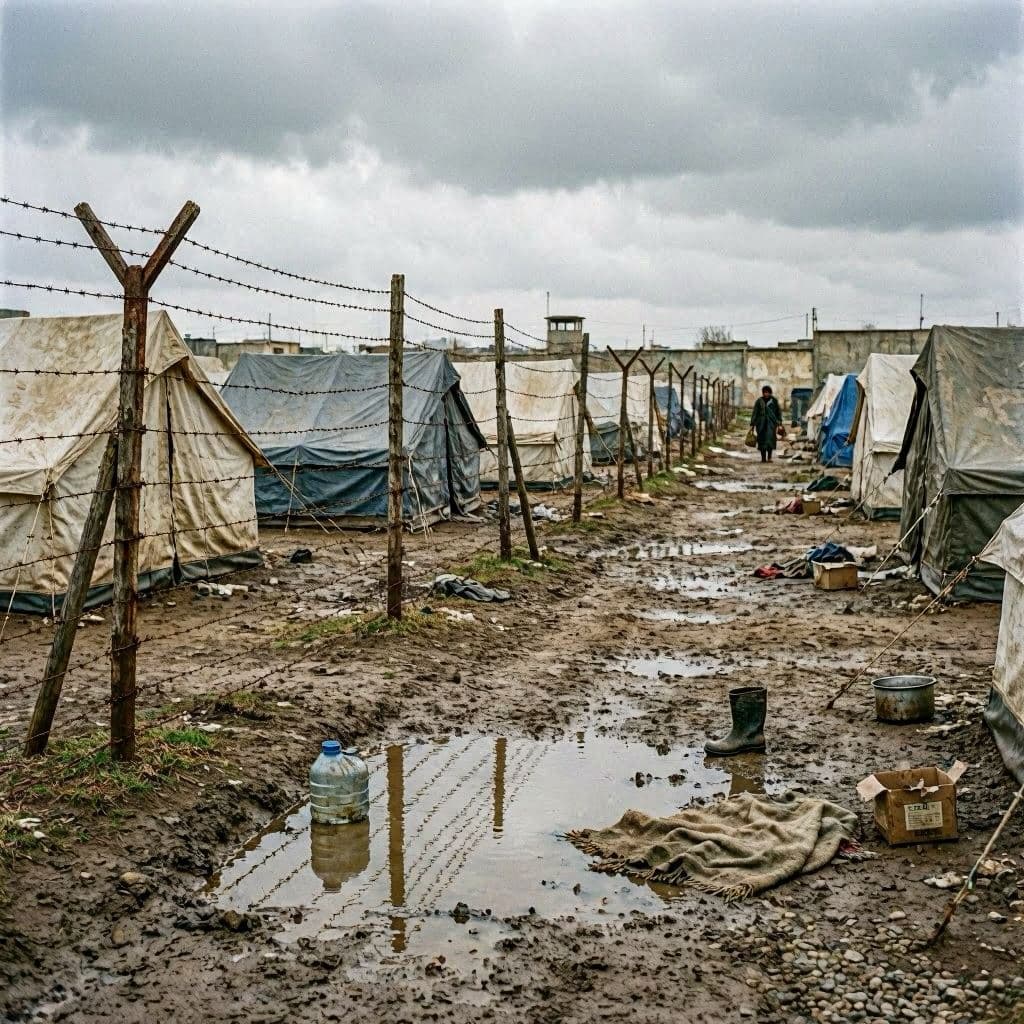
AI Image Disclaimer: Visuals accompanying this text are AI-generated conceptualizations intended to depict the themes of conflict and societal impact.
Sources: ABC News The Sydney Morning Herald Department of Home Affairs Statements
Published by Banx Network. This article is part of the Banx decentralized media programme, powered by the BXE token on the XRP Ledger.