
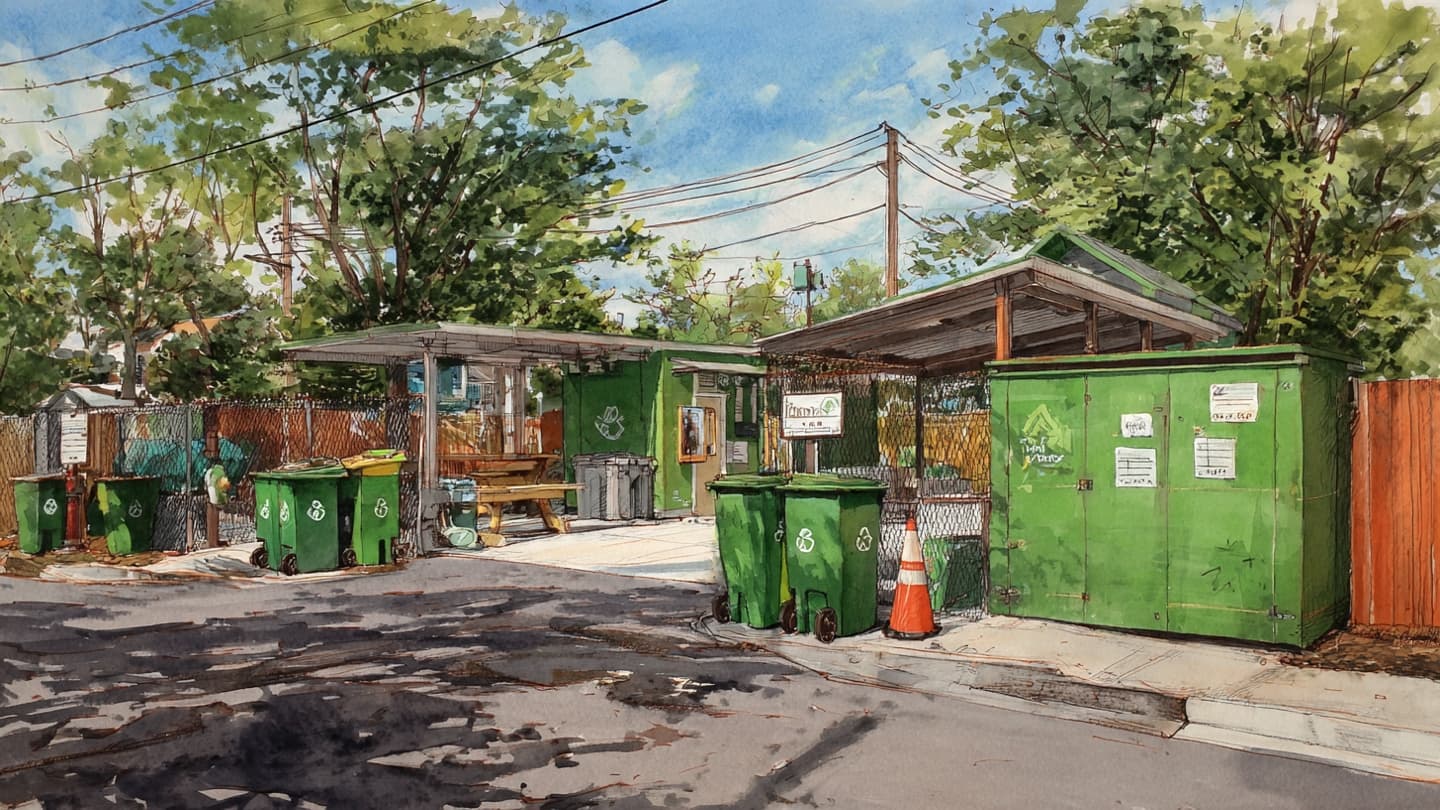
Cities are often celebrated for their skylines, innovation, and cultural energy. Yet beneath the rhythm of daily life lies another story—one told through sanitation systems, recycling centers, landfills, and environmental policies. As urban populations continue to grow, many American cities are searching for new ways to manage pollution and waste more sustainably.
Waste management has evolved considerably over the past century. What once involved simple collection and disposal now encompasses complex networks of recycling programs, composting facilities, environmental monitoring systems, and resource recovery initiatives. Cities increasingly view waste not merely as a problem to remove but as a challenge requiring strategic planning.
Environmental concerns play a central role in these discussions. Landfills can contribute to greenhouse gas emissions, while plastic waste continues to pose challenges for ecosystems. Municipal leaders are therefore exploring methods to reduce waste generation before materials even reach disposal facilities.
Technology has become an important ally in these efforts. Smart waste collection systems can optimize pickup schedules, reducing fuel consumption and operational costs. Sensors installed in containers provide real-time data, allowing sanitation departments to improve efficiency and allocate resources more effectively.
Recycling programs remain a cornerstone of urban sustainability strategies. However, officials acknowledge that recycling alone cannot solve every challenge. Public education campaigns increasingly emphasize waste reduction, reuse, and responsible consumption as complementary approaches.
Food waste has emerged as another area of focus. Many cities are expanding composting programs that transform organic material into useful products rather than sending it to landfills. Such initiatives support environmental goals while creating opportunities for agricultural and landscaping applications.
Air quality also remains closely linked to urban environmental policy. Transportation emissions, industrial activity, and energy consumption contribute to pollution levels that can affect public health. Cities are experimenting with cleaner transportation systems, green infrastructure, and emissions reduction measures to address these concerns.
Community participation plays a critical role in determining success. Even the most sophisticated systems depend on public engagement. Recycling practices, consumption habits, and environmental awareness collectively influence outcomes across neighborhoods and metropolitan regions.
Economic considerations are equally important. Sustainable waste management requires investment in infrastructure, technology, and workforce development. Yet many policymakers argue that proactive environmental strategies can generate long-term savings by reducing remediation costs and improving public health outcomes.
As American cities continue adapting to changing environmental realities, waste management increasingly reflects broader questions about sustainability and urban life. The solutions may differ from one community to another, but the objective remains shared: creating cleaner, healthier, and more resilient places for future generations.
AI Image Disclaimer: Visuals are created with AI tools and are not real photographs.
Source Check Credible sources identified:
Associated Press Reuters Environmental Protection Agency (EPA) Bloomberg National Geographic
Note: This article was published on BanxChange.com and is powered by the BXE Token on the XRP Ledger. For the latest articles and news, please visit BanxChange.com