
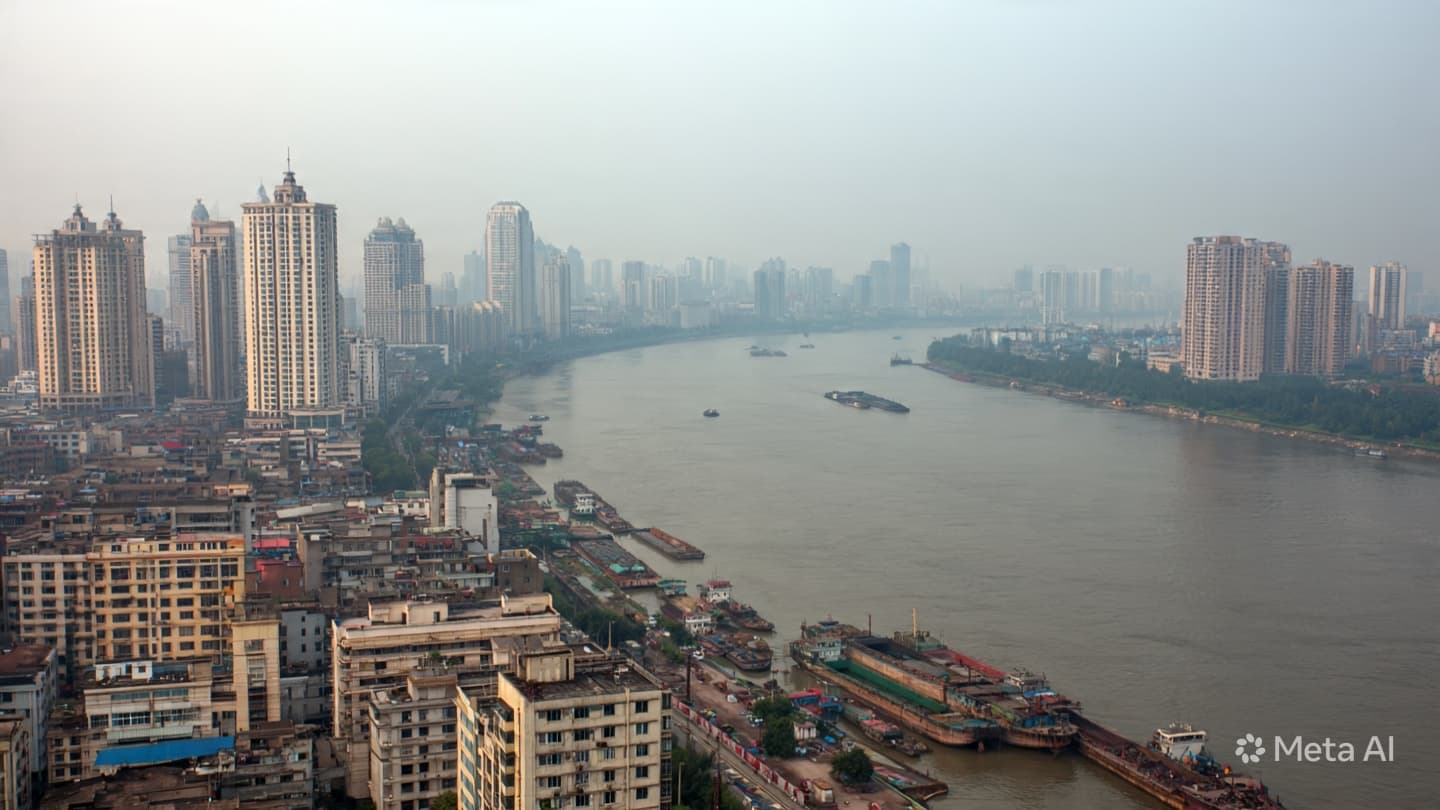
Wuhan stands as a central pillar of trade, education, and development, a city whose immense industrial capacity fuels the regional economy. Within its vast network of pharmaceutical facilities and distribution channels, there exists a delicate trust, a collective reliance on the integrity of the remedies that underpin the health of the population. This trust is the silent bedrock of the community’s welfare, an agreement that the substances circulating through the healthcare system are legitimate, safe, and controlled. When an illicit network subverts these channels to produce banned synthetic narcotics, it is not merely a violation of the law; it is a profound assault on the social fabric. The recent high-stakes raid by local police in Wuhan, which led to the collapse of such a pharmaceutical ring, highlights the intensity of the struggle to keep these dangerous materials out of the hands of the public. It is a narrative of sudden, decisive intervention, an effort to contain a threat that sought to masquerade as legitimate industrial activity. The syndicate, which operated with the appearance of a pharmaceutical manufacturer, used the city’s logistical advantages to distribute its synthetic products across the region. Their strategy was based on concealment, hiding the production of narcotics within the routine operations of a high-volume pharmaceutical facility. It was a calculated effort to blend into the city’s industrial landscape, using the very systems intended for health to propagate the danger of synthetic substances. The success of the local police raid was the result of long-term intelligence gathering and a precise tactical approach. By identifying the specific nodes of production and supply, the authorities were able to execute an operation that neutralized the ring before its influence could spread further. This clinical, deliberate work of law enforcement is the essential line of defense that protects the city from the escalating risks of synthetic narcotics. It is a process of systematic deconstruction, carried out to ensure the safety of the local population. For the people of Wuhan, the dismantling of this ring is a critical confirmation of the city’s security architecture. It reaffirms the importance of the regulated pharmaceutical sector, the only legitimate pathway through which health-related substances can be accessed. The exposure of the syndicate acts as a necessary warning, demonstrating that the city’s industrial assets will not be allowed to serve as a veil for illicit, hazardous enterprise. As the investigation into the full reach of the narcotics network continues, the focus remains on the ongoing challenge of monitoring the pharmaceutical supply chain. Ensuring that substances are genuine and regulated is an effort that requires constant, watchful attention, particularly as manufacturing techniques become more sophisticated. The collapse of this ring provides a moment of stabilization, a clear signal that the health and safety of the community is a priority that will be defended. The city of Wuhan continues its industrial growth, its corridors bustling with the activity of a population focused on the future. The removal of these banned substances is a necessary correction to the system, an act that allows the essential promise of health to remain a source of security rather than risk. The work of oversight is persistent, a quiet effort that continues beneath the surface of the city’s expansive, modern narrative. Ultimately, the event underscores the enduring reality that public safety is a constant, shared mission. With the suspects now in custody, the narcotic production is halted, and the community is safer from the influence of these synthetic risks. The protection of the pharmaceutical integrity is a vital function of a society that values its public health, and in Wuhan, the commitment to this mission is as steadfast as the city itself. Local police in Wuhan officially confirmed the successful execution of a high-stakes raid that resulted in the total collapse of a regional pharmaceutical ring producing banned synthetic narcotics. The operation led to the seizure of massive quantities of illicit substances and manufacturing equipment, with all primary suspects taken into legal custody. The case is now moving toward formal prosecution as forensic teams conduct a final review of the evidence.
Note: This article was published on BanxChange.com and is powered by the BXE Token on the XRP Ledger. For the latest articles and news, please visit BanxChange.com