
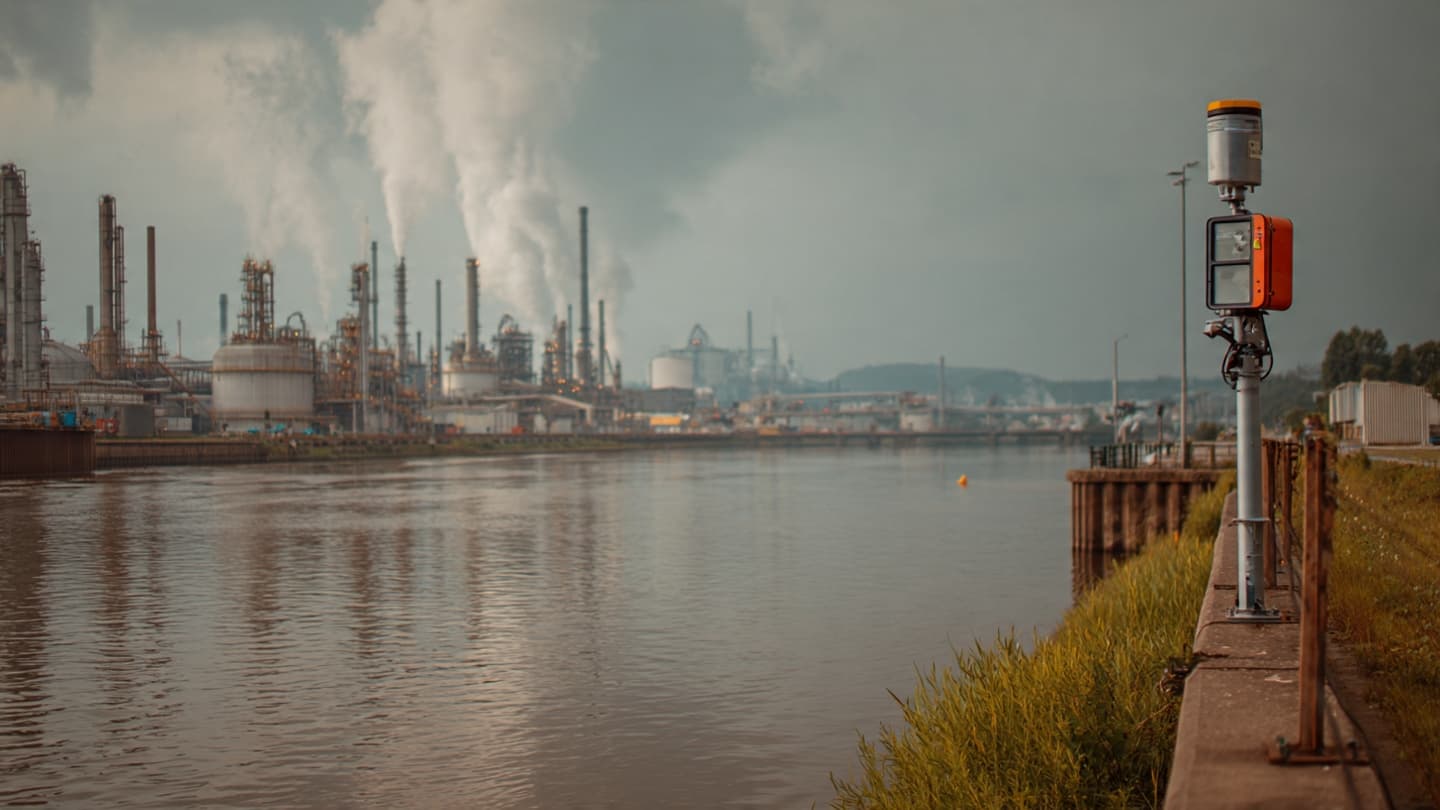
Rivers often appear timeless. They flow through cities and countryside alike, carrying reflections of bridges, trees, and passing seasons. Yet beneath those reflections can lie traces of human activity that endure far longer than expected. In France, concerns surrounding PFAS contamination have now reached a new stage as environmental organizations pursue legal action against the state.
The lawsuit centers on allegations that authorities have not acted sufficiently to address contamination linked to PFAS, a group of synthetic compounds known for their durability. Because these substances resist degradation, they can persist in water, soil, and ecosystems for many years, earning the widely used label “forever chemicals.”
Environmental groups argue that stronger action is necessary to identify contamination sources, improve monitoring systems, and accelerate remediation efforts. Their concerns reflect broader debates occurring across Europe, where regulators and scientists have intensified examination of PFAS-related risks.
French authorities maintain that environmental protection measures continue to evolve alongside scientific understanding. Monitoring programs have expanded, and policymakers have introduced initiatives intended to strengthen oversight of industrial pollutants. Nevertheless, campaigners contend that existing measures do not move quickly enough.
The issue highlights a recurring challenge in environmental governance. Scientific discoveries frequently emerge years after industrial practices become widespread. Once contamination is detected, governments must navigate technical complexity, legal frameworks, economic considerations, and public expectations simultaneously.
Researchers continue investigating how PFAS compounds move through ecosystems. Studies have documented their presence in waterways, sediments, wildlife, and drinking water systems in multiple countries. The persistence of these chemicals means remediation efforts often require long-term planning and substantial investment.
Public awareness of PFAS has grown considerably in recent years. Communities increasingly seek transparency regarding local environmental conditions, while journalists and researchers have expanded reporting on contamination cases. As information becomes more accessible, environmental issues once confined to specialist circles attract broader public attention.
Legal proceedings such as the French case may influence future environmental policy discussions beyond national borders. Observers across Europe are closely monitoring developments, particularly as governments evaluate updated standards and regulatory approaches concerning industrial chemicals.
For businesses and industries, the debate presents another dimension. Companies face growing expectations to demonstrate environmental responsibility, improve monitoring practices, and adopt cleaner technologies where feasible. These expectations increasingly shape corporate strategies and investment decisions.
As the case proceeds, the outcome remains uncertain. Yet the broader conversation continues to flow, much like the rivers at the heart of the dispute. Questions about environmental stewardship, scientific evidence, and long-term responsibility are likely to remain central themes in France and beyond for years to come.
AI Image Disclaimer: Illustrations were produced with AI and serve as conceptual depictions.
Source Check Credible sources identified:
Le Monde Reuters AFP France 24 European Environment Agency
Note: This article was published on BanxChange.com and is powered by the BXE Token on the XRP Ledger. For the latest articles and news, please visit BanxChange.com