In the complex tapestry of Middle Eastern geopolitics, ambition often walks hand in hand with risk. Iran’s long-standing aspiration for regional influence has evolved into a more assertive posture, one that suggests a readiness to escalate tensions to achieve strategic goals. This shift is not merely a rhetorical flourish but a calculated move in a high-stakes game of deterrence and power projection. As the nation navigates a landscape marked by historical grievances and contemporary rivalries, its actions send ripples through the international community, inviting reflection on the balance between sovereignty and stability.
Body: The drive for regional domination is rooted in a desire to secure national interests and project strength in a neighborhood often defined by conflict. For Tehran, this means cultivating alliances, supporting proxy groups, and developing military capabilities that serve as both shield and sword. The recent rhetoric and actions indicate a willingness to push boundaries, testing the resolve of adversaries while consolidating influence among allies. It is a strategy that relies on ambiguity and pressure, keeping opponents off-balance and uncertain of the next move.
Escalation, in this context, is not necessarily a prelude to all-out war but a tool of coercion. By demonstrating the capacity to disrupt trade routes, launch missile strikes, or influence political outcomes in neighboring states, Iran seeks to negotiate from a position of strength. This approach carries inherent dangers, as miscalculations can lead to unintended conflicts that spiral beyond control. The region, already fragile, becomes more volatile with each step up the ladder of confrontation.
International responses have been mixed, with some nations calling for restraint and others reinforcing their own defensive postures. The United States and its allies continue to monitor Iran’s activities closely, balancing diplomatic engagement with military readiness. Sanctions and diplomatic isolation remain key tools in the Western arsenal, yet their effectiveness is debated as Iran finds ways to circumvent restrictions and build alternative partnerships. The dynamic is one of constant adjustment, where every action invites a reaction.
For the people of the region, the prospect of escalation brings anxiety and uncertainty. Daily life is often overshadowed by the threat of conflict, affecting economic stability and social cohesion. Communities look to their leaders for reassurance, hoping that diplomacy will prevail over brinkmanship. The human cost of geopolitical maneuvering is often invisible in high-level discussions but deeply felt on the ground, where safety and security are paramount concerns.
The role of nuclear ambitions also looms large in this narrative. While Iran maintains that its program is peaceful, suspicions persist among international observers. The potential for nuclear capability adds another layer of complexity to the escalation calculus, raising the stakes for all involved. Efforts to revive diplomatic agreements have stalled, leaving a vacuum that is filled by mistrust and military posturing. The path to resolution remains unclear, obscured by mutual suspicion and strategic rigidity.
Yet, amidst the tension, there are voices calling for dialogue and de-escalation. Regional powers and international organizations continue to seek avenues for communication, recognizing that conflict serves no one’s long-term interest. The challenge lies in finding common ground in a landscape fractured by history and ideology. It requires patience, creativity, and a willingness to compromise, qualities that are often in short supply in times of crisis.
Closing: In the end, Iran’s readiness to escalate is a reflection of its strategic priorities and perceived necessities. It highlights the enduring challenges of maintaining peace in a region where power is contested and trust is scarce. As the situation unfolds, the hope remains that reason will temper ambition, and that dialogue will eventually replace discord, paving the way for a more stable and secure future for all.
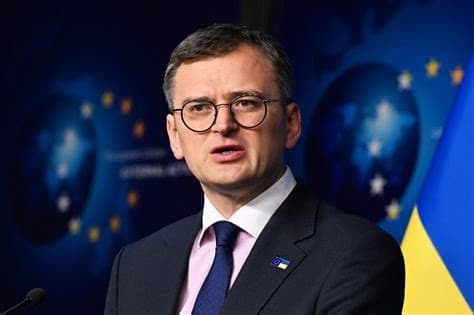
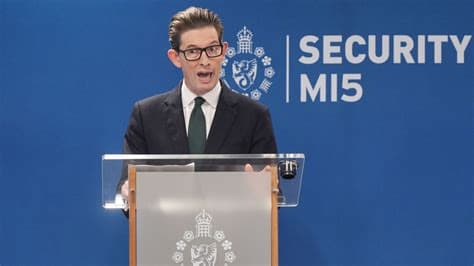
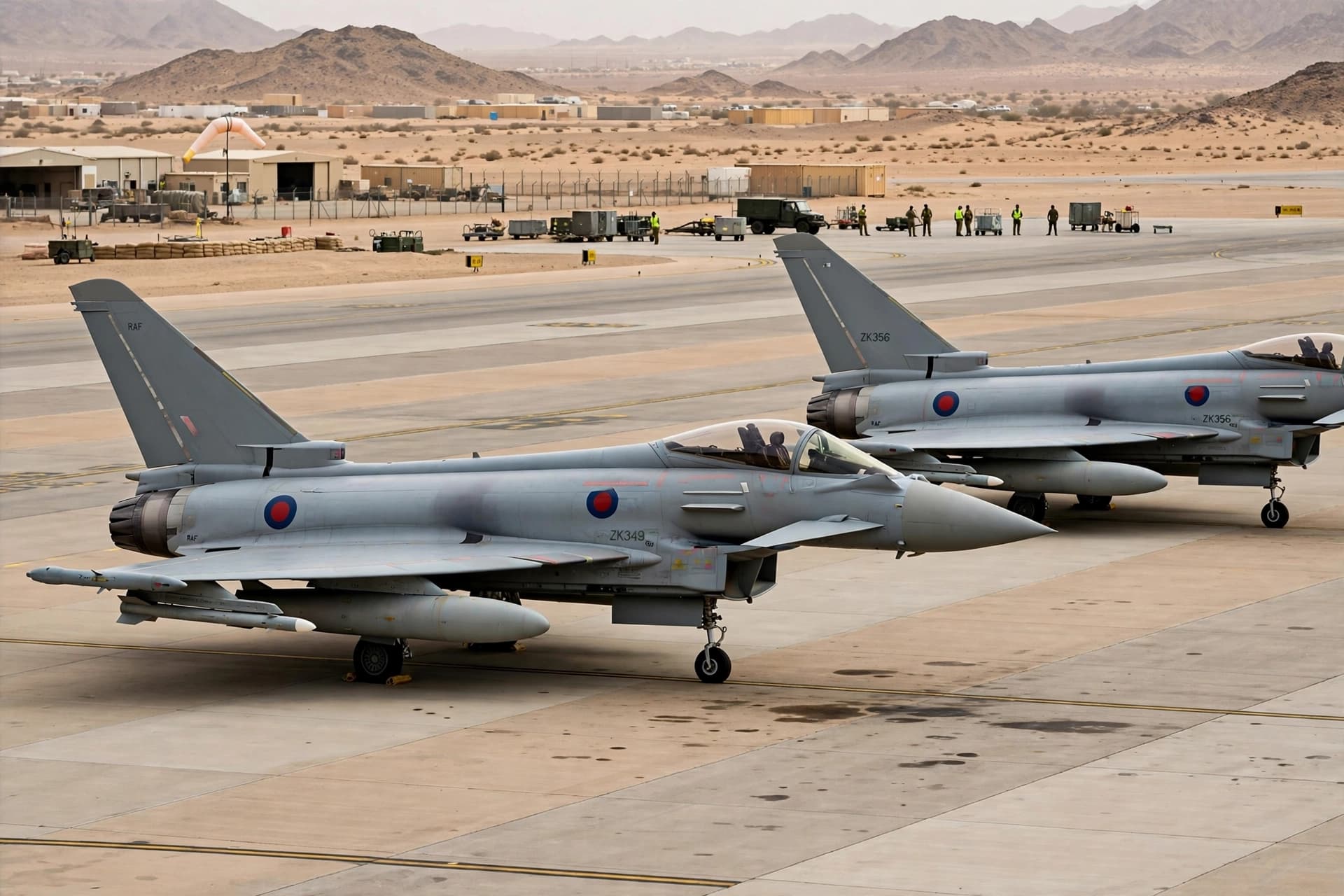
AI Image Disclaimer: Please note that any accompanying visuals for this narrative are artificially generated interpretations meant to evoke the spirit of the story, not documentary evidence.
Sources: BBC News Al Jazeera Reuters
Published by Banx Network. This article is part of the Banx decentralized media programme, powered by the BXE token on the XRP Ledger.