Sweetness is a universal language, a simple pleasure that connects cultures and cuisines across the globe. Yet, behind the granules of sugar lies a complex economic reality that is increasingly difficult to sustain. In Pakistan, the Public Sector (PS) has issued a stark warning that the current state of the sugar sector is unsustainable. This declaration is not merely a financial alert but a signal of deeper structural issues within agriculture, policy, and resource management. It invites us to consider the fragility of industries that rely on finite resources and fluctuating markets.
Body: The sugar industry in Pakistan is a major employer and a significant contributor to the national economy. However, it faces mounting challenges, including water scarcity, outdated farming techniques, and inefficient production methods. The warning from public sector analysts highlights the disconnect between supply and demand, as well as the heavy subsidies that prop up the industry. Without reform, the sector risks becoming a burden rather than a benefit, draining resources that could be used more effectively elsewhere.
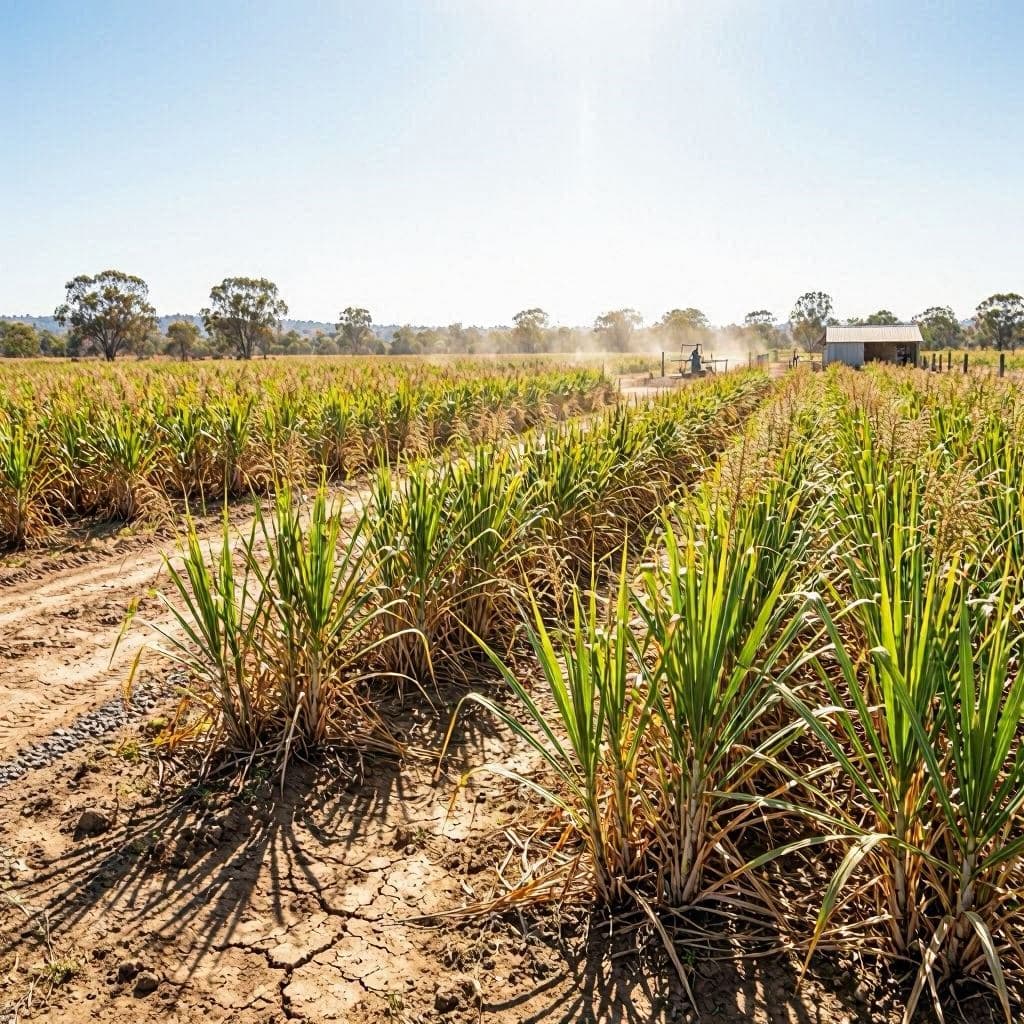
Water availability is perhaps the most critical factor. Sugar cane is a water-intensive crop, and in a region facing severe climate change impacts, its cultivation puts immense pressure on already depleted aquifers. Farmers continue to plant cane due to guaranteed purchase prices, but this practice is ecologically costly. The warning underscores the need for crop diversification and the adoption of less thirsty alternatives that are better suited to the changing climate.
Economic inefficiencies also plague the sector. High production costs, coupled with inconsistent government policies, create an unstable environment for investors and farmers alike. Mills often operate below capacity, and debt levels are rising. The lack of modernization means that yields remain low compared to international standards, making Pakistani sugar less competitive in the global market. This vulnerability exposes the industry to external shocks and price volatility.
The social implications are significant. Millions of livelihoods depend on the sugar sector, from farmers to mill workers. Any drastic changes must be handled with care to avoid widespread unemployment and social unrest. Transitioning to a sustainable model requires comprehensive support systems, including training, financial assistance, and infrastructure development. It is a delicate balance between economic necessity and social welfare.
Policy reform is essential to address these issues. Experts suggest reducing subsidies for water-intensive crops and incentivizing sustainable practices. Investment in research and development can help improve yields and reduce environmental impact. Additionally, strengthening regulatory frameworks can ensure fair pricing and prevent market manipulation. These steps require political will and long-term commitment.
The warning serves as a wake-up call for stakeholders across the supply chain. Ignoring the signs of unsustainability could lead to a crisis that affects food security and economic stability. By addressing the root causes now, there is an opportunity to transform the sector into a model of efficiency and resilience. It is a chance to align agricultural practices with environmental realities.
Closing: In the end, the unsustainability of the sugar sector is a challenge that demands attention and action. It is a reminder that economic activities must be grounded in ecological and social reality. As Pakistan navigates this transition, the hope is that innovation and cooperation will lead to a sweeter future, one that is balanced, resilient, and truly sustainable for all.
AI Image Disclaimer: Visuals accompanying this text are AI-generated conceptualizations intended to depict the themes of agriculture and economic policy.
Sources: The News International Dawn Newspaper Pakistan Institute of Development Economics
Published by Banx Network. This article is part of the Banx decentralized media programme, powered by the BXE token on the XRP Ledger.