
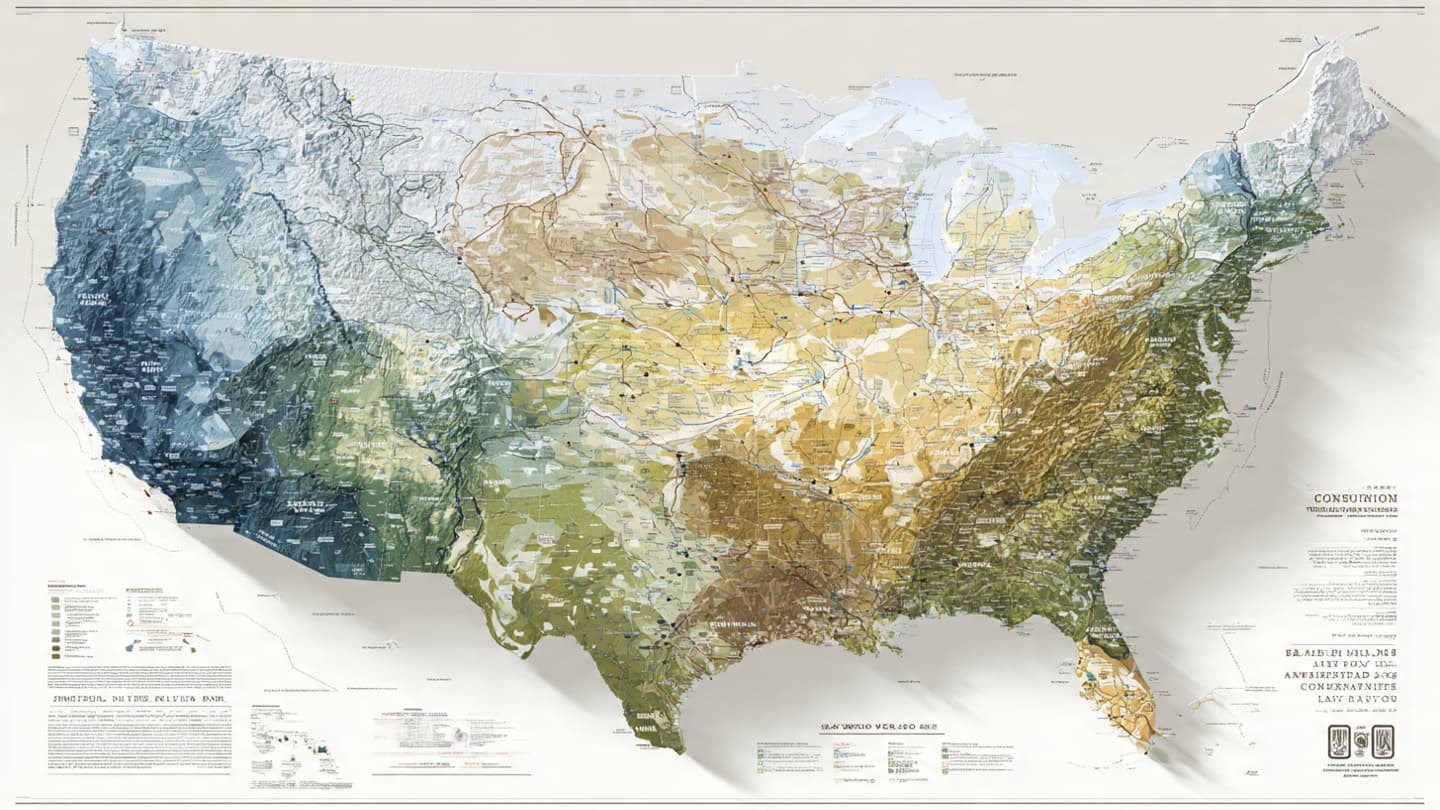
As election cycles progress, the drawing of electoral boundaries often becomes a quiet but powerful force shaping political competition. Beneath the surface of campaigns and public debates, maps are redrawn, adjusted, and contested in ways that can influence outcomes for years.
A renewed redistricting battle is expected to escalate ahead of the 2028 elections, as states begin reviewing congressional and legislative district boundaries based on updated population data and political considerations.
Redistricting in the United States typically follows the decennial census, with states responsible for adjusting district lines to reflect population shifts and maintain equal representation under constitutional guidelines.
However, the process is often subject to legal challenges and political debate, particularly when concerns arise over gerrymandering, where boundaries are drawn to favor one party over another.
State legislatures, independent commissions, and courts may all play roles in shaping final district maps, depending on local laws and governance structures.
Analysts note that even small adjustments in district boundaries can have significant impacts on electoral competitiveness, especially in closely divided regions.
Legal frameworks governing redistricting are shaped by federal court rulings and state constitutions, which provide guidelines intended to ensure fairness and representation.
As the 2028 election cycle approaches, political parties are expected to closely monitor and engage in redistricting processes, recognizing their long-term implications for congressional control.
The evolving debate reflects a broader question about how representative systems adapt to demographic change while maintaining public trust in electoral fairness.
AI Image Disclaimer: The visuals in this article are AI-generated representations of electoral maps and political processes and do not depict real redistricting actions.
Sources (Verification Check):
Associated Press Reuters Pew Research Center U.S. Census Bureau Brennan Center for Justice
Note: This article was published on BanxChange.com and is powered by the BXE Token on the XRP Ledger. For the latest articles and news, please visit BanxChange.com