
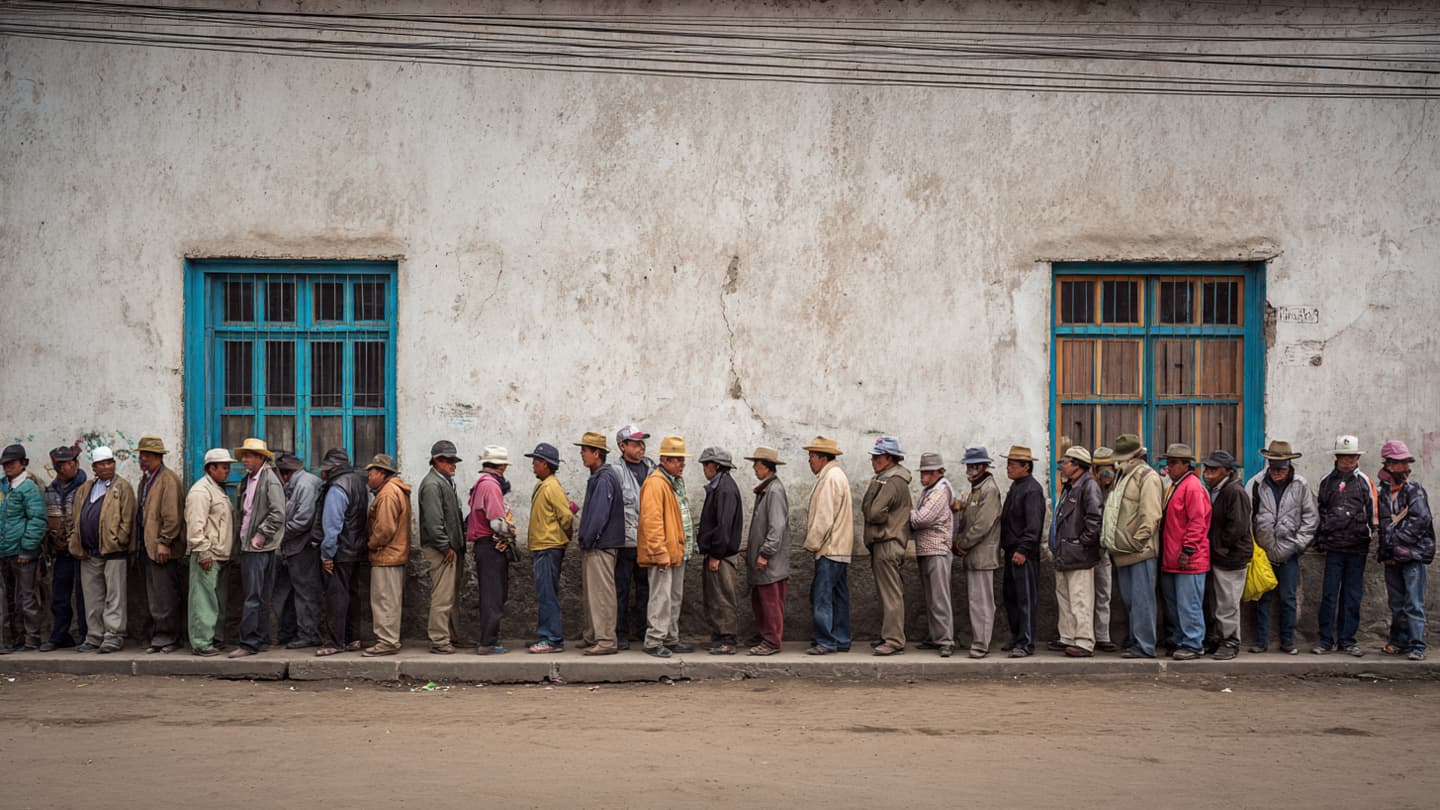
Democracy often moves like a long river, shaped by many currents before reaching its destination. In Peru, voters have once again found themselves at an important crossroads as the country's presidential election appears set to advance to a runoff, extending a political process that has drawn widespread attention across the nation.
Body:
Election officials reported that no candidate secured the support necessary to claim an outright victory in the first round of voting. As preliminary results emerged, attention quickly shifted toward the possibility of a second-round contest between the leading contenders.
The development follows a period of political uncertainty that has characterized much of Peru's recent history. Over the past decade, the country has experienced frequent leadership changes, institutional tensions, and public debates regarding governance and reform.
Voters participated in the election amid concerns about economic development, public services, security, and political stability. These issues featured prominently throughout the campaign as candidates sought to address the priorities of diverse regions and communities.
Election observers noted that the voting process was generally conducted under established democratic procedures despite logistical challenges reported in certain areas. Authorities worked to ensure that citizens across the country could access polling stations and cast their ballots.
Political analysts suggest that runoff elections often encourage broader coalition-building. Candidates advancing to the next stage typically seek support from voters whose preferred choices did not reach the final round.
The outcome is expected to influence Peru's domestic policy direction as well as its relationships with regional and international partners. Investors, neighboring governments, and diplomatic observers continue monitoring developments closely.
While electoral competition can reveal differing visions for a country's future, democratic institutions provide a framework through which those differences can be expressed peacefully. The upcoming runoff represents another step in that process.
Closing:
As Peru prepares for the next phase of the election, candidates are expected to intensify their campaigns and broaden their outreach efforts. The runoff vote will ultimately determine who leads the nation through its next chapter of political and economic challenges.
AI Image Disclaimer: The image accompanying this article was generated using artificial intelligence and serves only as a visual illustration of the topic.
Sources Verified: Reuters, Associated Press, Al Jazeera, BBC News, Reuters Graphics
Note: This article was published on BanxChange.com and is powered by the BXE Token on the XRP Ledger. For the latest articles and news, please visit BanxChange.com