
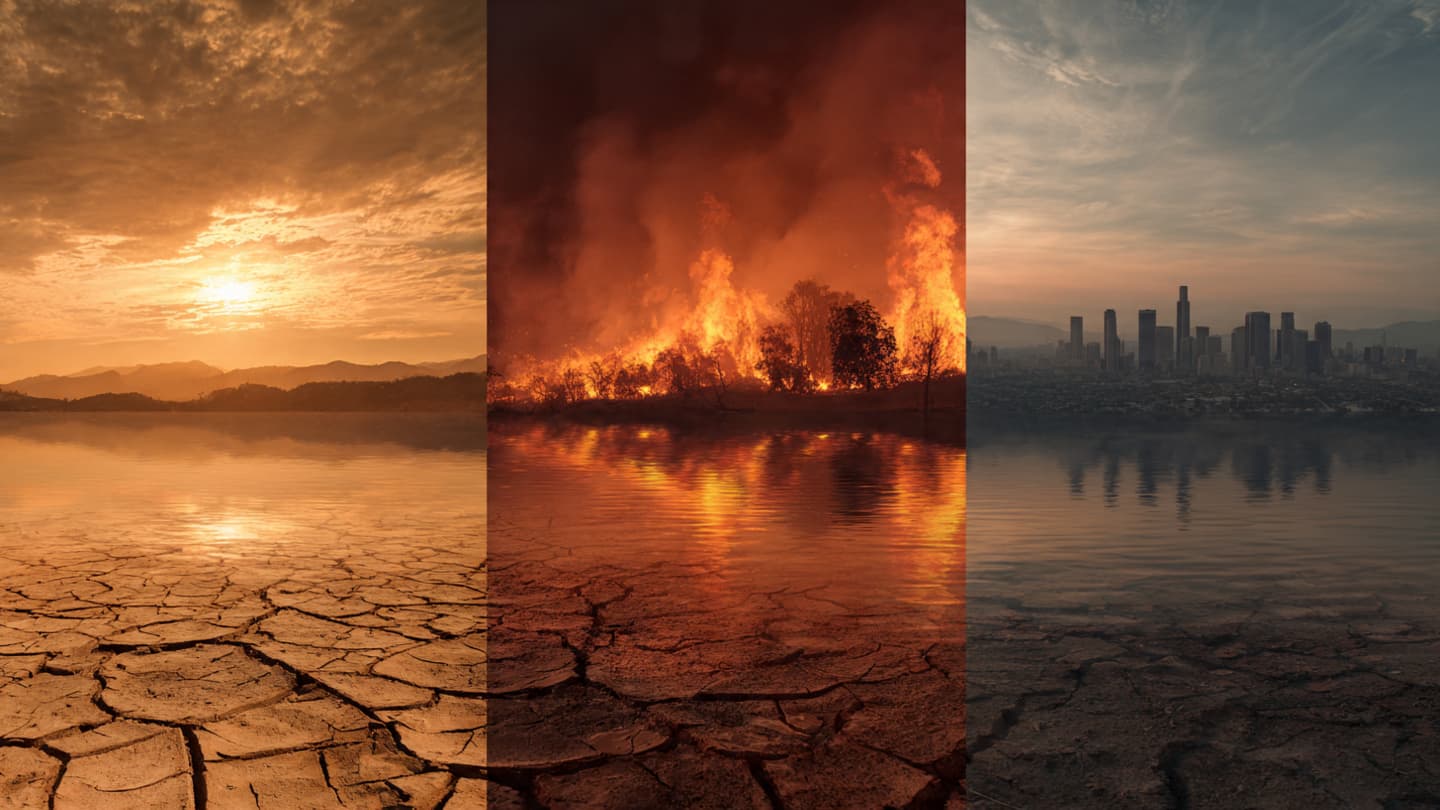
The atmosphere rarely speaks in words. Instead, it communicates through shifting winds, rising temperatures, heavy rains, and prolonged droughts. Across continents, recent events have reinforced a growing reality: extreme weather is becoming a more prominent part of life for many communities around the world.
Climate experts continue to report an increase in the frequency and intensity of weather-related disasters. Heatwaves, floods, wildfires, and severe storms are appearing with greater regularity in regions that once experienced such events less often.
Scientists emphasize that individual weather events are influenced by multiple factors. However, long-term global warming is contributing to conditions that make many extreme events more likely or more severe.
Recent months have provided numerous examples. Parts of Europe have experienced unusual heat, while other regions have faced destructive flooding, prolonged drought, or heightened wildfire risk.
The economic consequences are often significant. Damage to infrastructure, agriculture, transportation networks, and energy systems can affect communities long after the immediate event has passed.
Public health is also closely connected to climate conditions. Extreme heat can increase health risks, while flooding and drought may influence access to clean water, food production, and disease prevention efforts.
Governments, researchers, and international organizations continue investing in adaptation measures. These include stronger infrastructure, improved forecasting systems, and policies designed to increase resilience against future climate impacts.
Technological innovation is playing a growing role as well. Satellite monitoring, artificial intelligence, and advanced climate models provide increasingly detailed information that can support decision-making before disasters occur.
Although challenges remain substantial, experts stress that preparation and adaptation can reduce vulnerability. The global conversation increasingly centers not only on understanding climate risks but also on strengthening society's capacity to respond effectively.
AI Image Disclaimer: Illustrative visuals accompanying this article were generated using AI technology for editorial presentation and are not documentary photographs.
Sources (Verification Check): World Meteorological Organization, United Nations, Reuters, UNESCO Climate Reports, Copernicus Climate Service
Published by Banx Network. This article is part of the Banx decentralized media programme, powered by the BXE token on the XRP Ledger.


