
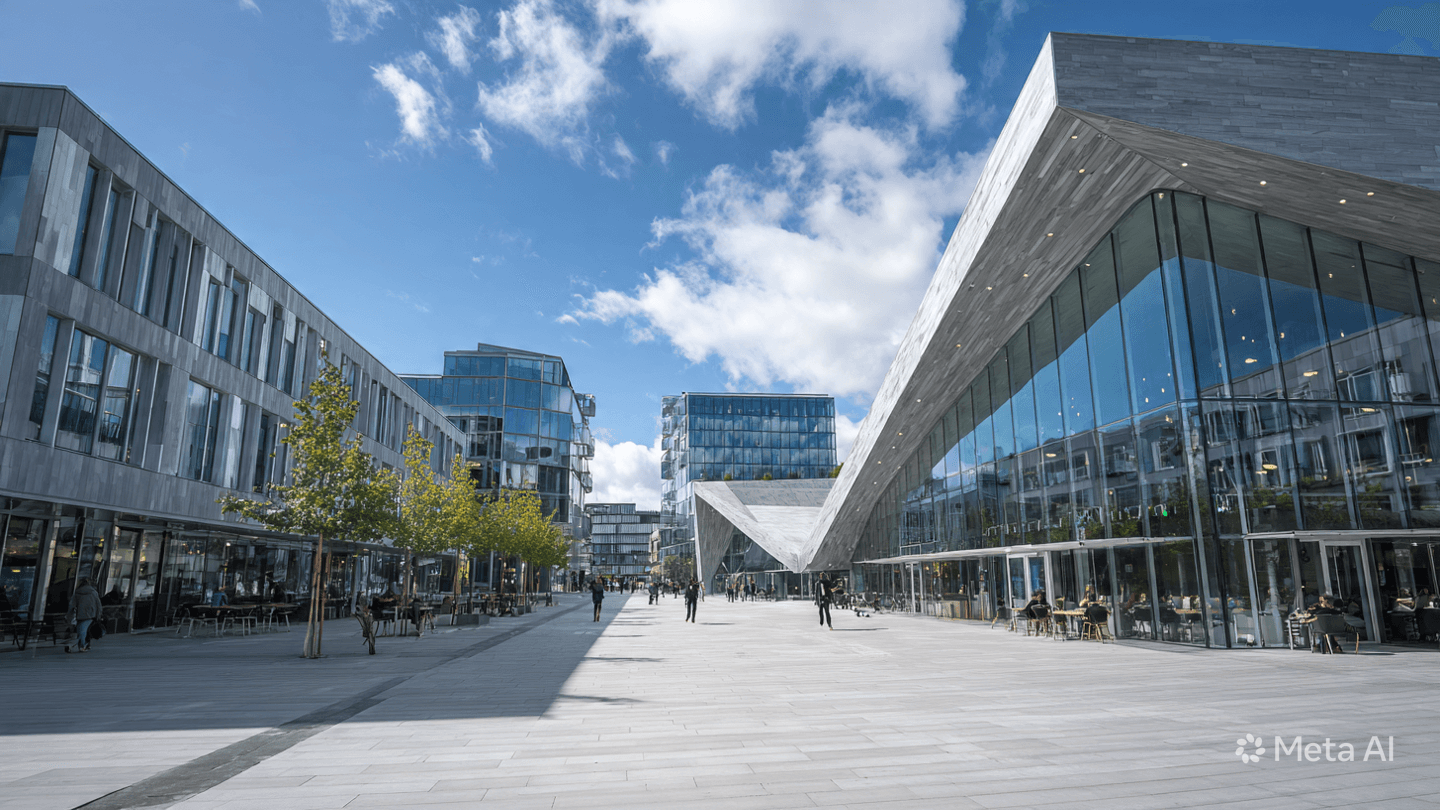
In the heart of Aarhus, where the ancient echoes of the city meet the energetic pulse of modern life, the approach of public celebration brings with it a specific, calculated anticipation. As the season turns and the promise of open-air gatherings draws the populace to the squares and parks, there is a transformation in the air. The city begins to reconfigure its public spaces, transforming open thoroughfares into communal stages where the art of the gathering is elevated to a point of profound, shared elegance.
These events, whether they be festivals of music, markets, or the simple joy of an outdoor assembly, require a foundation of order that is as invisible as it is essential. Local authorities in Aarhus have been diligently finalizing the protocols that will govern these spaces, creating a framework of safety that feels less like a restriction and more like a gentle embrace. It is an editorial observation of how a city prepares to open its arms to its citizens, ensuring that the vibrancy of the moment is protected by the strength of the plan.
The architecture of these safety protocols is nuanced, weaving through the urban layout with precision. Every entry point, every crowd-flow pattern, and every communication loop is designed to exist in the background, allowing the spirit of the event to take center stage. There is a sense of choreography here, a belief that the safety of the individual is the prerequisite for the freedom of the collective. When we gather in the open air, we are participating in a tradition that is as old as the city itself, and modern oversight ensures that this tradition continues to thrive.
As the final touches are placed upon these procedures, one cannot help but notice the care embedded in the process. It is not merely about rules or regulations; it is about the stewardship of the public experience. By anticipating the needs of the crowd and preparing for the contingencies of the climate and the space, the authorities are acting as silent partners in every festival and concert. Their work allows the citizen to forget the logistics and focus entirely on the communal experience of being together under the vast, open sky.
The nature of the gathering has shifted, becoming more complex, more vibrant, and more reflective of our interconnected lives. Yet, the core requirement—the need for a space that is both welcoming and secure—remains constant. In Aarhus, this balance is being struck with a deft hand. The protocols being finalized today are the culmination of hours of collaborative labor, an editorial reflection on the necessity of thoughtful, human-centered urban planning. It is a quiet promise that, when the music begins and the crowds swell, the environment will be ready.
There is a rhythm to this preparation, a steady beat of planning that precedes the crescendo of the public event. It is a process that respects the history of the city while embracing the demands of the future. The safety measures being put in place are designed to be fluid, adaptable to the shifting tides of the participants, and grounded in a deep understanding of the urban landscape. It is this flexibility that distinguishes the Aarhus approach, a commitment to a safety that is as dynamic as the society it serves.
As the dates for these public events approach, the city feels alive with a sense of readiness. The protocols are set, the plans are in place, and the public is left to contemplate the joy that the coming days will surely bring. It is a testament to the power of governance when it acts as an invisible hand, shaping the environment to facilitate the human need for connection. In the quiet, orderly streets of Aarhus, the foundation for memory-making is being laid, one safety protocol at a time.
Ultimately, the goal of these efforts is to create a space where the spontaneous can happen without the weight of anxiety. When the festival gates open and the crowds fill the designated areas, they will be entering a sanctuary of sorts—a carefully curated environment that recognizes the value of gathering. It is an editorial meditation on the importance of these moments, and the quiet, diligent work that ensures they can continue to exist. Aarhus stands ready, a city prepared to celebrate its own vibrant, collective life with confidence and calm.
Local municipal authorities in Aarhus have concluded the final development and review phase of comprehensive safety protocols intended for all upcoming open-air public events scheduled throughout the summer months. These updated guidelines focus on advanced crowd management techniques, real-time emergency coordination, and enhanced accessibility requirements to ensure that diverse public gatherings can be conducted safely within the city’s high-traffic urban areas. The finalized framework serves as a standardized operational manual for event organizers, aiming to harmonize public enjoyment with rigorous safety standards across all municipal districts.
Note: This article was published on BanxChange.com and is powered by the BXE Token on the XRP Ledger. For the latest articles and news, please visit BanxChange.com