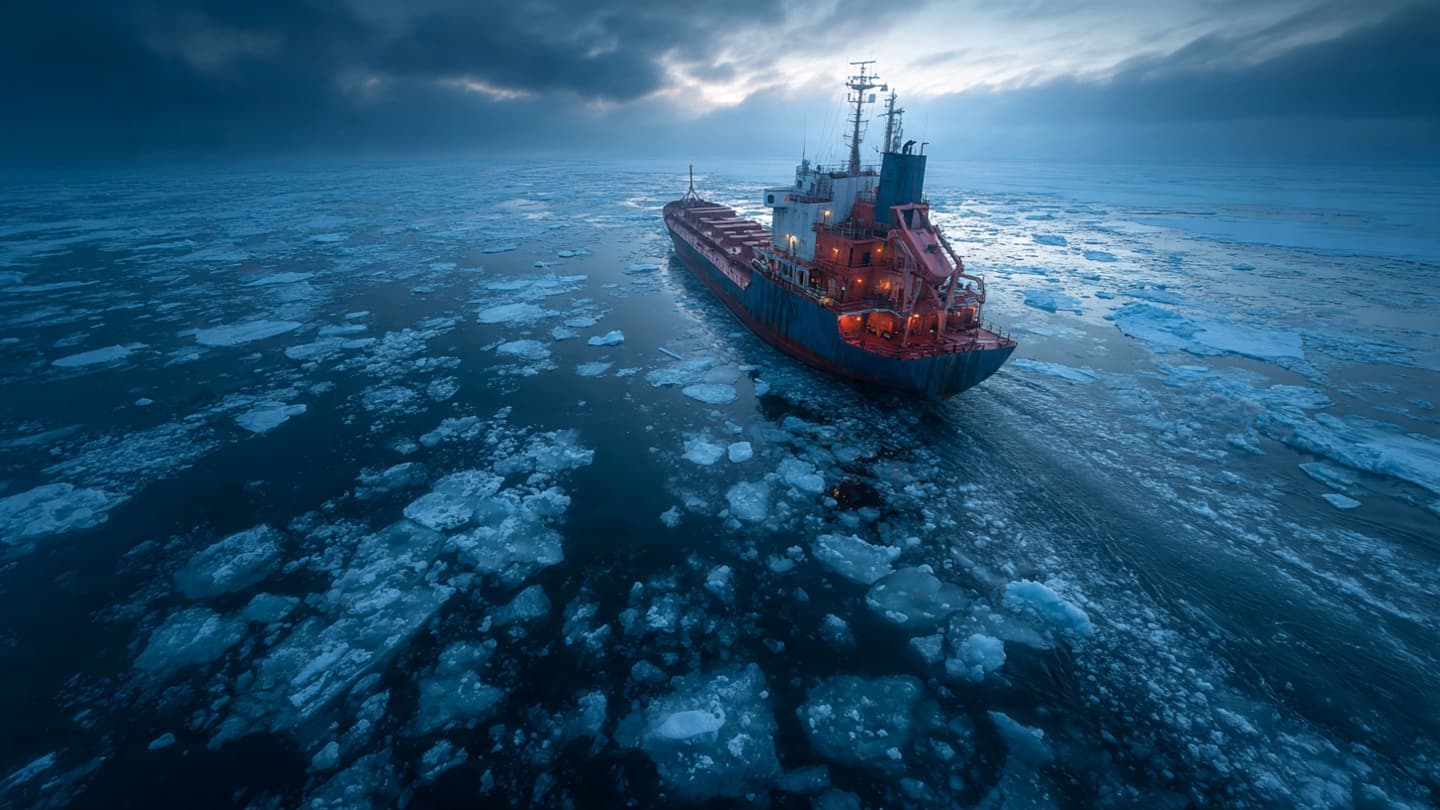
As global temperatures rise, the Arctic ice cap is melting at an unprecedented rate. While this environmental crisis poses severe threats to ecosystems and indigenous communities, it is also opening up new economic and strategic opportunities. The Northern Sea Route and the Northwest Passage are becoming navigable for longer periods, offering shorter shipping lanes between Asia, Europe, and North America. This "Arctic thaw" is transforming the region from a frozen frontier into a bustling corridor of commerce and competition, drawing the attention of major powers and sparking geopolitical tensions.
The economic potential is significant. Shipping via the Arctic can cut travel time by weeks compared to traditional routes through the Suez or Panama Canals. This reduces fuel consumption and costs, making it attractive for global trade. Additionally, the receding ice reveals access to vast untapped reserves of oil, gas, and minerals. Nations are racing to explore and exploit these resources, driving investment in infrastructure and technology.
However, this activity comes with high environmental risks. Oil spills in icy waters are difficult to clean and can have devastating effects on fragile ecosystems. Increased ship traffic disrupts marine life and contributes to pollution. Indigenous communities, whose livelihoods depend on the traditional environment, face displacement and cultural erosion. Balancing economic gain with environmental protection and social justice is a critical challenge.
Geopolitically, the Arctic is becoming a zone of contention. Russia has militarized its northern coast, asserting control over the Northern Sea Route. China, declaring itself a "near-Arctic state," is investing in infrastructure and seeking influence. NATO members, including the US, Canada, and European nations, are increasing their presence to counter these moves. The region is witnessing a buildup of military capabilities, raising fears of conflict.
International governance is struggling to keep pace. The Arctic Council, the primary forum for cooperation, faces challenges due to political divisions among member states. Legal frameworks under the UN Convention on the Law of the Sea (UNCLOS) provide some guidance, but disputes over territorial claims and resource rights persist. Strengthening diplomatic dialogue and establishing clear rules for navigation and extraction are essential for stability.
For the global community, the Arctic serves as a barometer for climate change. Its rapid transformation highlights the urgency of addressing global warming. Mitigation efforts must be coupled with adaptation strategies for the region. Sustainable development practices are needed to ensure that economic activities do not exacerbate environmental damage.
As we look to the future, the Arctic will play an increasingly central role in global affairs. Its resources and routes will shape trade patterns and security dynamics. Managing this transition requires cooperation, foresight, and a commitment to sustainability. The thawing ice is revealing not just new paths, but new responsibilities.
In the end, the story of the Arctic thaw is a paradox. It offers opportunity amidst crisis. By approaching the region with care and collaboration, we can harness its potential while protecting its integrity. The future of the Arctic will reflect our ability to balance progress with preservation.
Published by Banx Network. This article is part of the Banx decentralized media programme, powered by the BXE token on the XRP Ledger.