
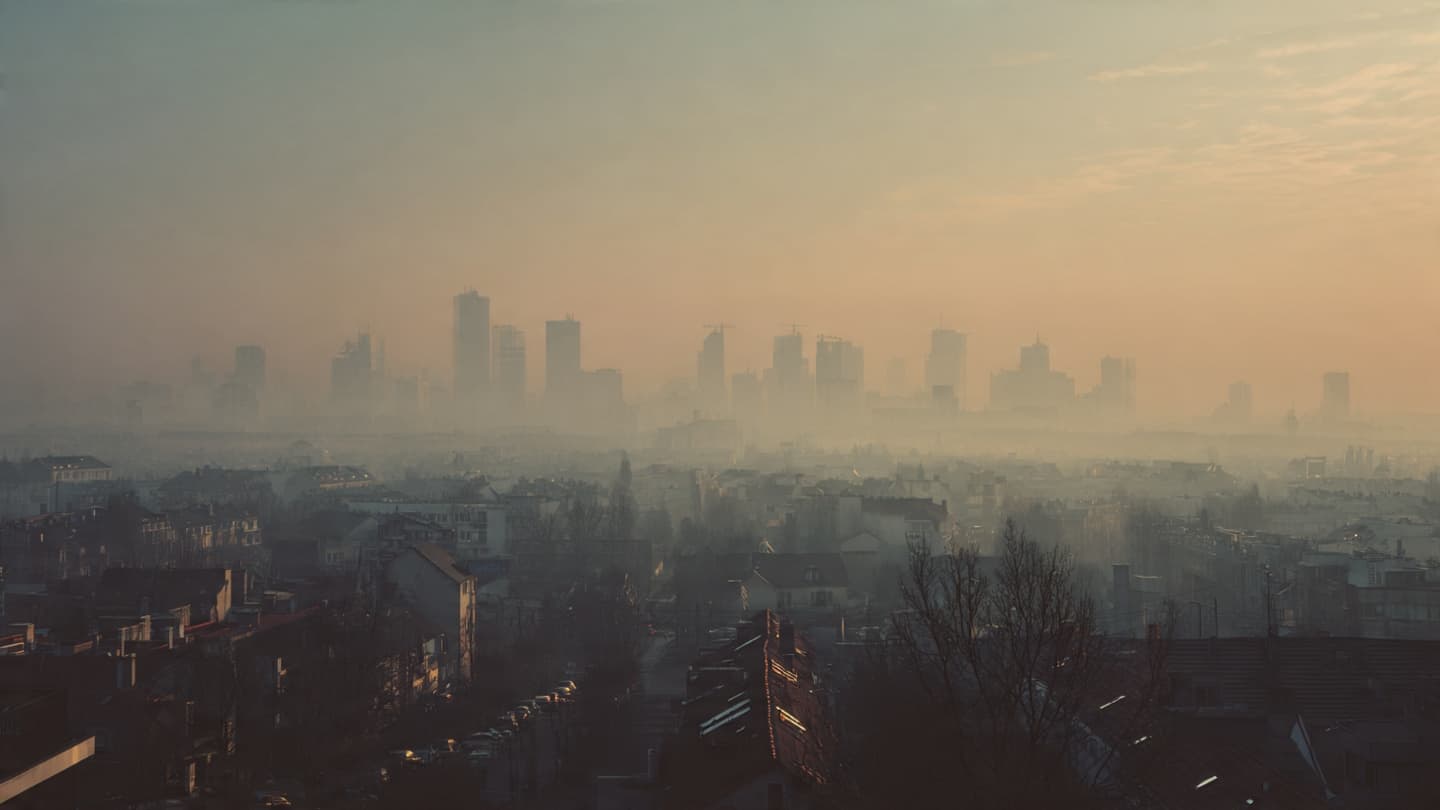
Some challenges arrive with dramatic images and immediate headlines. Others remain largely invisible, moving quietly through city streets and rural landscapes alike. Air pollution belongs to the latter category—a problem often unnoticed in daily life, yet capable of influencing the health of millions.
Across Europe, researchers and public health experts continue expressing concern about the effects of air pollution on vulnerable communities. While air quality has improved in many regions over recent decades, scientists note that significant health risks remain.
Air pollution consists of a mixture of particles and gases originating from various sources, including transportation, industry, energy production, and residential heating. Environmental conditions can influence how these pollutants spread and accumulate within communities.
Certain groups face greater exposure or increased sensitivity to pollution-related health effects. Older adults, children, pregnant women, and individuals with respiratory or cardiovascular conditions often experience higher risks when air quality deteriorates.
Researchers have linked prolonged exposure to polluted air with a range of health concerns. Respiratory illnesses, asthma complications, cardiovascular disease, and reduced lung function are among the issues frequently examined in public health studies. Scientists continue investigating long-term impacts across different populations.
Urban environments often experience particular challenges due to traffic density and concentrated economic activity. During periods of stagnant weather, pollutants may remain trapped near the ground, contributing to reduced air quality in densely populated areas.
Environmental inequalities have also become part of the conversation. Some vulnerable communities may live closer to industrial facilities, major transportation corridors, or other pollution sources. Experts argue that understanding these disparities is important for designing effective policies and interventions.
Governments and environmental agencies continue implementing measures aimed at reducing emissions. Cleaner technologies, stricter regulations, renewable energy investments, and improved public transportation systems are among the strategies being adopted across Europe.
Public awareness has increased as monitoring technologies provide more accessible information about local air quality conditions. Mobile applications, environmental dashboards, and public reporting systems allow citizens to follow changes in pollution levels more closely than ever before.
As researchers continue studying the relationship between air quality and public health, they emphasize the importance of sustained action and long-term planning. Cleaner air benefits not only the environment but also the well-being of communities whose health depends on the quality of every breath they take.
AI Image Disclaimer Graphics are AI-generated and intended for representation, not reality.
Source Check Credible sources identified:
Reuters AFP World Health Organization (WHO) European Environment Agency (EEA) The Guardian
Note: This article was published on BanxChange.com and is powered by the BXE Token on the XRP Ledger. For the latest articles and news, please visit BanxChange.com