
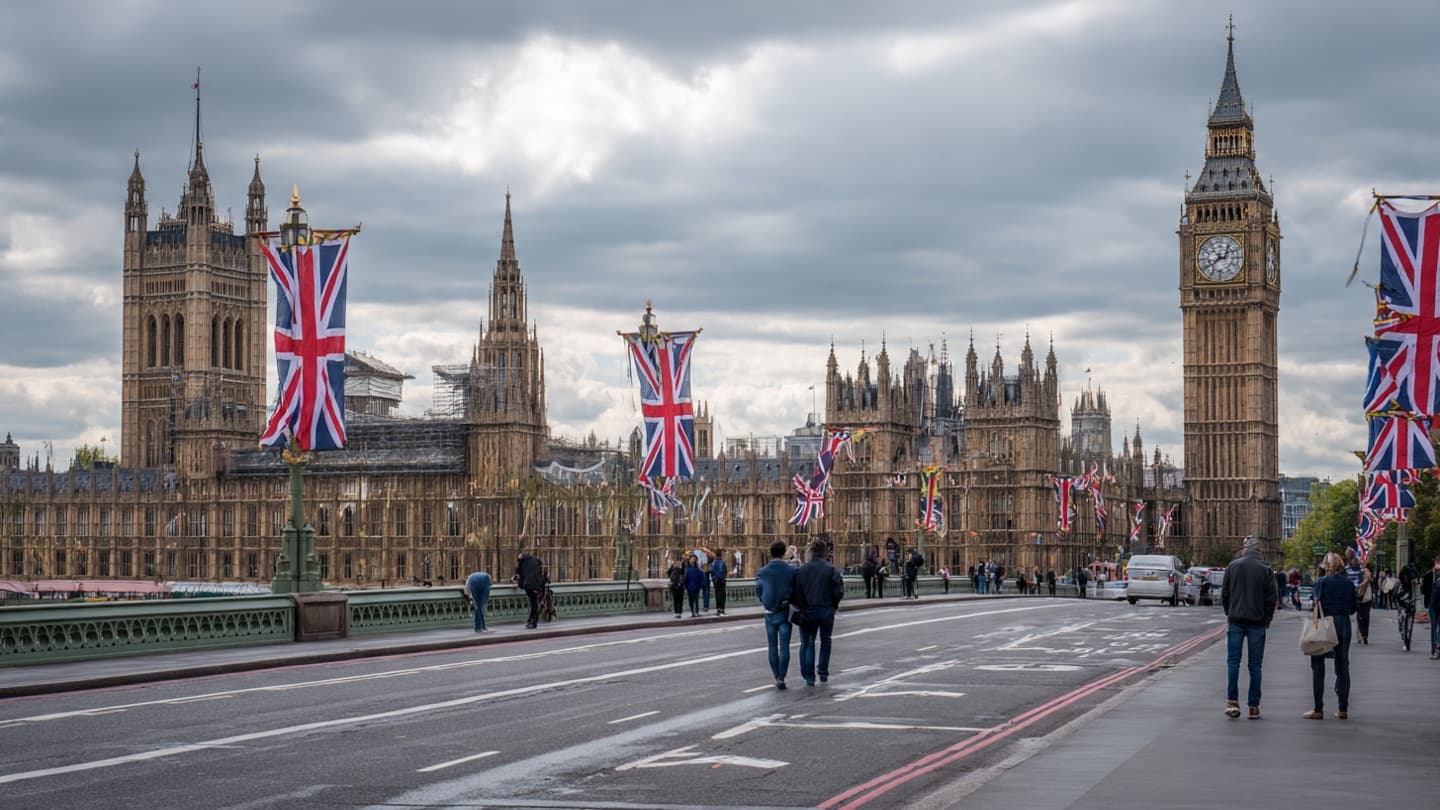
Key Highlights
- Brexit's economic impact continues to shape the UK a decade later.
- Public sentiment has shifted, with many viewing Brexit as a mistake.
- Businesses face ongoing challenges related to trade and labor shortages.
[Brexit's Ongoing Economic Impact]
A decade can feel both brief and immense in political life. Like footprints left on a shoreline, some decisions fade with time, while others remain etched into the landscape long after the tide has passed. Ten years after Britain voted to leave the European Union, Brexit continues to shape the country's economic and political conversation.
Many Britons who once viewed Brexit as a pathway toward renewed sovereignty and economic flexibility are now expressing growing frustration over its outcomes. Surveys conducted in recent years indicate that a significant portion of the public believes Brexit has delivered fewer benefits than originally expected. According to a recent poll by YouGov, nearly 60% of respondents feel that leaving the EU has negatively impacted the economy.
Economists and business groups have pointed to slower economic growth, reduced investment, and increased trade barriers as contributing factors behind the dissatisfaction. Studies have suggested that the British economy has experienced measurable losses in output and productivity since leaving the EU single market. The Office for National Statistics reported a 2.5% decline in GDP growth in the years following Brexit, highlighting the economic challenges that have emerged.
Businesses across several sectors, including manufacturing, agriculture, and hospitality, have reported challenges related to customs procedures, labor shortages, and higher operational costs. The British Chambers of Commerce noted that 45% of firms surveyed are struggling with increased costs due to new trade regulations. Some firms that initially supported Brexit have since reassessed their positions, with many calling for a reevaluation of trade agreements to mitigate these challenges.
Despite these concerns, supporters of Brexit maintain that leaving the EU restored Britain's ability to independently shape trade, immigration, and regulatory policies. They argue that many economic difficulties stem from broader global pressures, including inflation, geopolitical tensions, and the aftermath of the COVID-19 pandemic. Proponents emphasize the importance of sovereignty and the potential for new trade deals outside the EU framework.
Political leaders have sought to improve relations between London and Brussels without reopening the debate over EU membership. Recent agreements have focused on easing trade frictions and strengthening cooperation in areas such as defense and security. The UK government has engaged in negotiations to streamline customs processes and enhance collaboration on security matters, aiming to foster a more productive relationship with the EU.
Public opinion polls increasingly show that more Britons believe Brexit was a mistake. However, support for formally rejoining the European Union remains less clear, reflecting continuing divisions over sovereignty, immigration, and national identity. A recent survey by Ipsos Mori found that while 52% of respondents believe Brexit was a mistake, only 30% support rejoining the EU, indicating a complex and nuanced public sentiment.
Analysts say the Brexit debate has evolved from a question of leaving or remaining into a broader discussion about how Britain should position itself economically and diplomatically in an increasingly uncertain world. The focus has shifted to how the UK can navigate its post-Brexit reality, balancing national interests with global economic trends.
Ten years after the referendum, Brexit remains not a closed chapter, but an ongoing story that continues to influence Britain's future. As the nation grapples with the implications of its decision, the economic and political landscape will likely continue to evolve, reflecting the complexities of a post-Brexit world.
Published by Banx Network. This article is part of the Banx decentralized media programme, powered by the BXE token on the XRP Ledger.



