In the high plains of Alberta, water is a precious resource, carefully managed to sustain a growing city. Recently, residents of Calgary have been advised that temporary water restrictions may return next month. However, unlike previous measures driven by infrastructure repairs, this potential limitation is not related to the Bearspaw feeder main. Instead, it reflects the ongoing challenges of balancing supply and demand in a changing climate.
The Bearspaw South Feeder Main, a critical component of the city’s water distribution system, underwent significant repairs earlier this year. Those repairs necessitated strict Stage 4 restrictions, limiting outdoor water use to ensure system stability. With those repairs completed and the main back in service, the immediate infrastructure crisis has been resolved. Yet, the possibility of new restrictions suggests that other factors are at play.
City officials point to seasonal demand and environmental conditions as key drivers. As temperatures rise and precipitation patterns shift, the pressure on water reserves increases. Even with robust infrastructure, the sheer volume of consumption can strain the system. Restrictions serve as a tool to manage this demand, encouraging conservation and preventing potential shortages during peak usage periods.
For Calgarians, the news is a reminder of the need for habitual conservation. While the emergency of the Bearspaw repair has passed, the broader reality of water scarcity remains. Experts urge residents to adopt sustainable practices, such as reducing lawn watering and fixing leaks, regardless of official mandates. These small actions, when multiplied across the city, can have a significant impact.
The distinction between infrastructure-driven and demand-driven restrictions is important. It signals that the city’s physical systems are sound, but behavioral changes are still necessary. This shift in focus encourages a culture of stewardship, where water is valued not just as a utility but as a vital natural resource. It invites citizens to participate actively in sustainability.
Communication from the city has been clear, aiming to avoid confusion with past events. Officials emphasize that any upcoming restrictions will be proactive rather than reactive, designed to preserve reserves rather than respond to failure. This transparent approach helps build trust and ensures that residents understand the reasons behind the measures.
Environmental groups have welcomed the emphasis on conservation, noting that climate change makes such measures increasingly common. They argue that long-term planning must include adaptive strategies for water management. By preparing for variability, Calgary can ensure resilience in the face of uncertain future conditions.
As next month approaches, residents are encouraged to stay informed and prepare. Whether restrictions are implemented or not, the message is consistent: water is finite, and its careful use is essential. For Calgary, this is not just a policy issue but a collective responsibility, one that defines the city’s relationship with its environment.
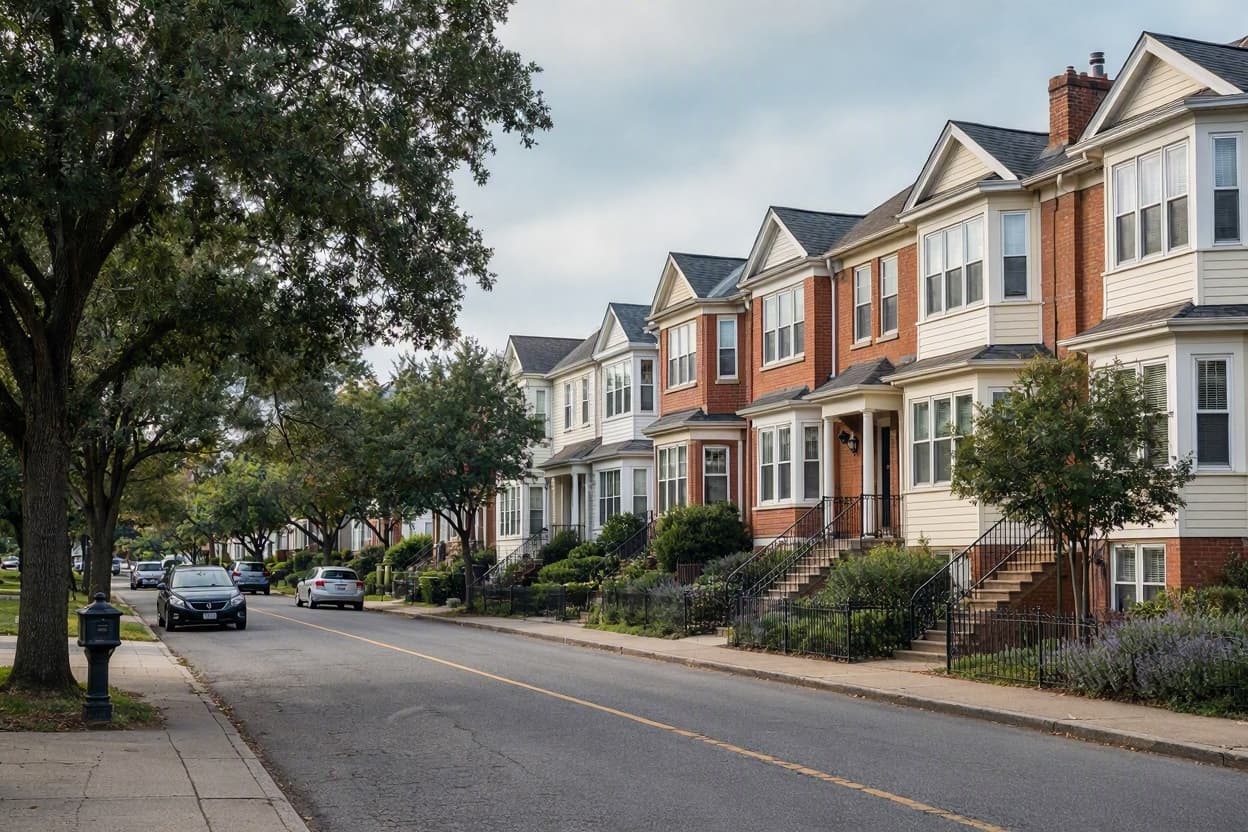
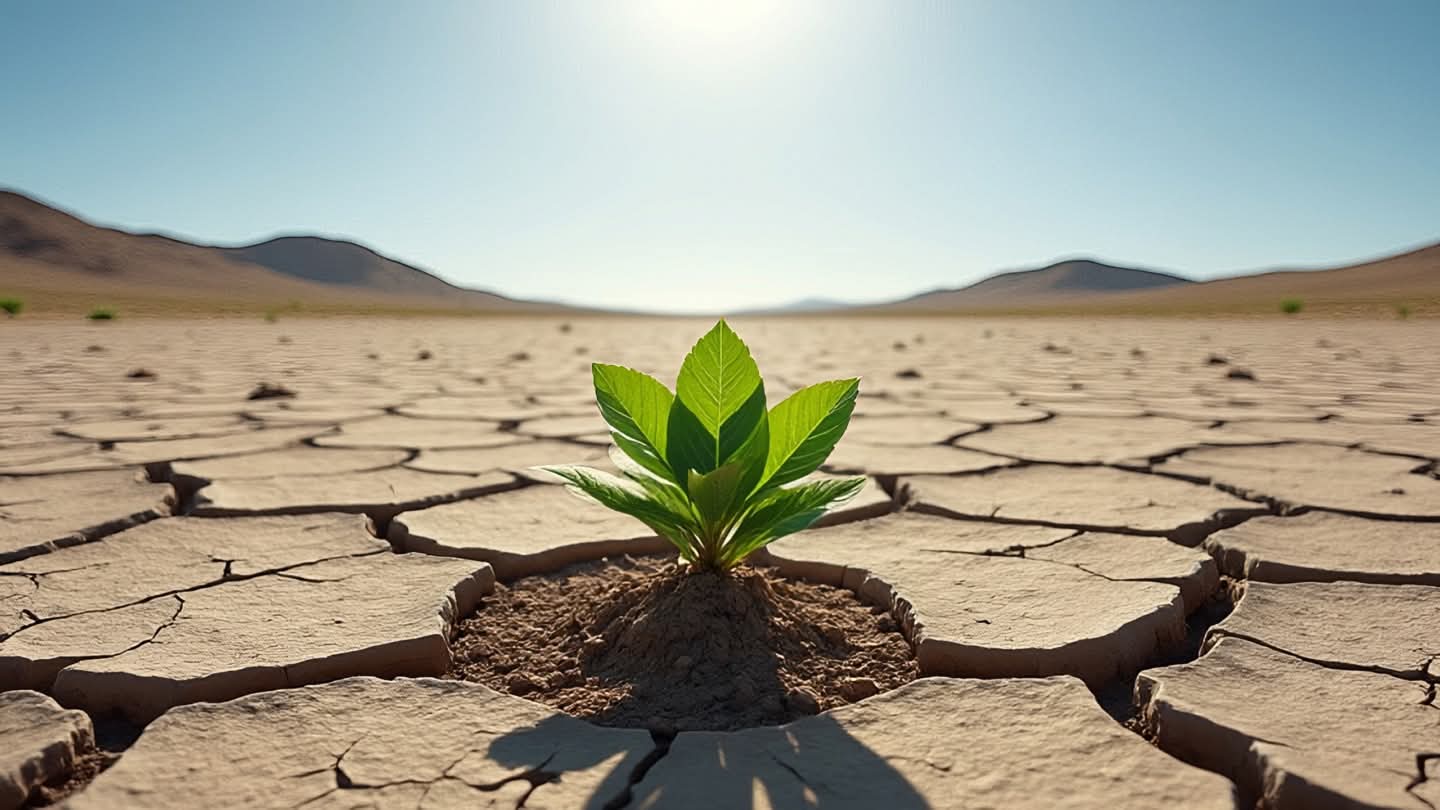
AI Image Disclaimer: Images accompanying this report are AI-generated artistic interpretations of water infrastructure and natural landscapes, intended to visualize the context of water management without depicting real proprietary maps or specific facilities.
Sources: CBC News, City of Calgary Newsroom, Global News, CTV News Calgary
Note: This article was published on BanxChange.com and is powered by the BXE Token on the XRP Ledger. For the latest articles and news, please visit BanxChange.com