In eastern India, a day intended for devotion and rest turned into a scene of chaos and sorrow. Two separate incidents—a stampede at a Hindu temple in Bihar and a fire at a hotel in West Bengal—claimed 14 lives and left several others injured. These tragedies, occurring within hours of each other, highlight the vulnerabilities that persist in crowded public spaces and accommodation facilities, even in areas accustomed to large gatherings.
The first incident took place at the Ashok Dham temple in Bihar, where thousands of pilgrims had gathered for prayers. Amidst the surge of devotees, a stampede erupted, resulting in the deaths of seven people and injuries to more than a dozen others. Authorities suggest that the sheer volume of people, combined with limited exit points, contributed to the crush. Emergency responders worked quickly to clear the area and provide medical attention to the wounded.
Later that same day, a fire broke out at a four-story hotel in Tarapith, Birbhum district, West Bengal. The blaze, which started in the early morning hours, trapped several guests inside. Despite the efforts of firefighters, seven people lost their lives, and others were critically injured. The hotel, located near a prominent temple town, was hosting pilgrims who had come to seek blessings. The cause of the fire is under investigation, but initial reports point to electrical faults.
These dual tragedies have sent shockwaves through the region, prompting calls for stricter safety measures. Temple authorities and hotel owners are being urged to review their emergency protocols, ensuring that crowd control and fire safety standards are rigorously enforced. For the families of the victims, the loss is compounded by the preventable nature of the incidents, raising questions about oversight and preparedness.
The response from local governments has been swift, with compensation announced for the families of the deceased. Chief Ministers from both states have expressed their condolences and ordered inquiries into the circumstances surrounding each event. These investigations aim to identify lapses in security and safety management, with the goal of preventing similar occurrences in the future.
For the communities involved, the days following the disasters are marked by mourning and reflection. Vigils have been held, and religious leaders have called for peace and patience. The shared grief transcends regional boundaries, uniting people in a collective expression of sorrow. It is a reminder of the fragility of life and the importance of community support in times of crisis.
Safety experts emphasize the need for regular audits of public venues, especially those that attract large crowds. Simple measures, such as clear signage, adequate exits, and functional fire extinguishers, can make a significant difference. Education and awareness campaigns are also crucial, helping individuals understand how to respond in emergencies.
As India moves forward, the lessons from these tragedies must be heeded. The loss of 14 lives is a heavy price to pay for complacency. By prioritizing safety and accountability, society can honor the memory of those lost and create a safer environment for all. The path to prevention is paved with vigilance, care, and a commitment to protecting the vulnerable.
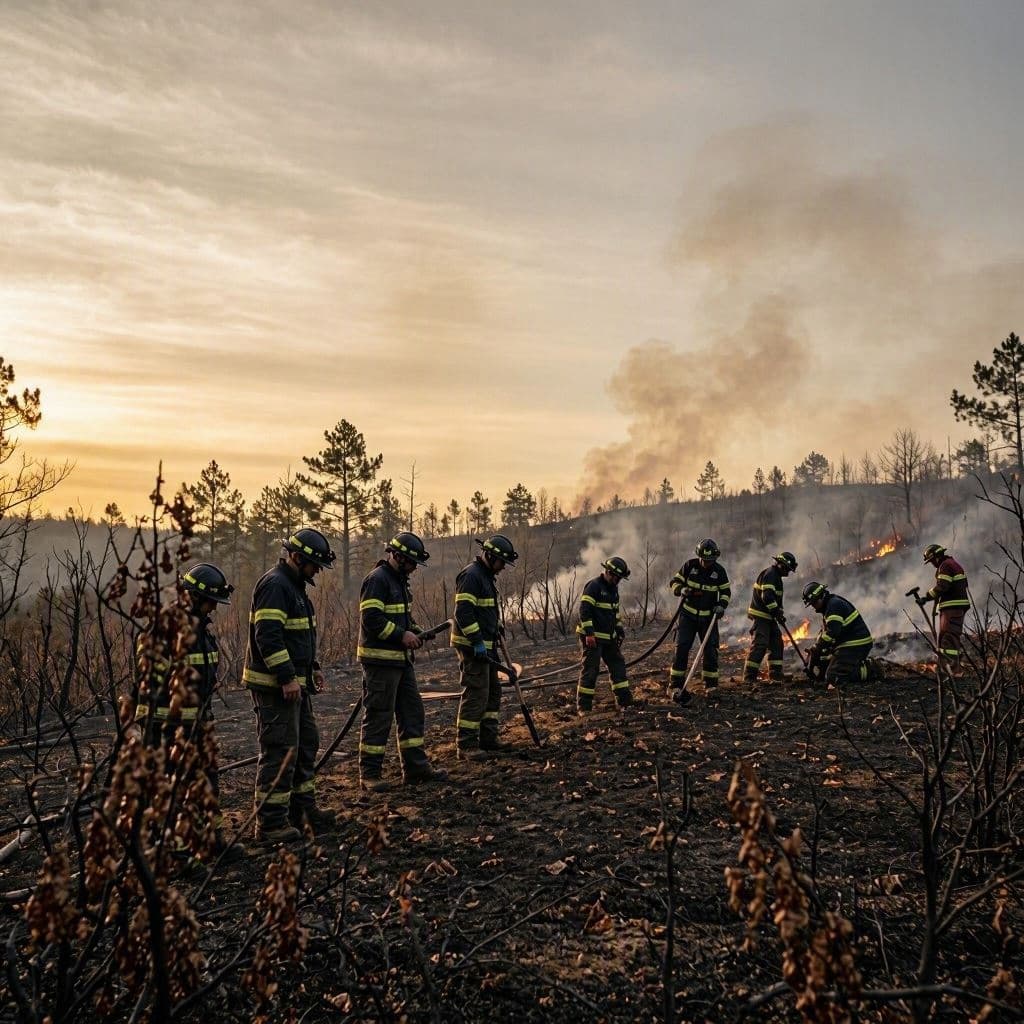
AI Image Disclaimer: Images accompanying this report are AI-generated artistic interpretations of temple crowds and emergency response scenes, intended to visualize the context of the incidents without depicting real victims.
Sources: ABC News, UNB News, TRT World, DD India
Note: This article was published on BanxChange.com and is powered by the BXE Token on the XRP Ledger. For the latest articles and news, please visit BanxChange.com