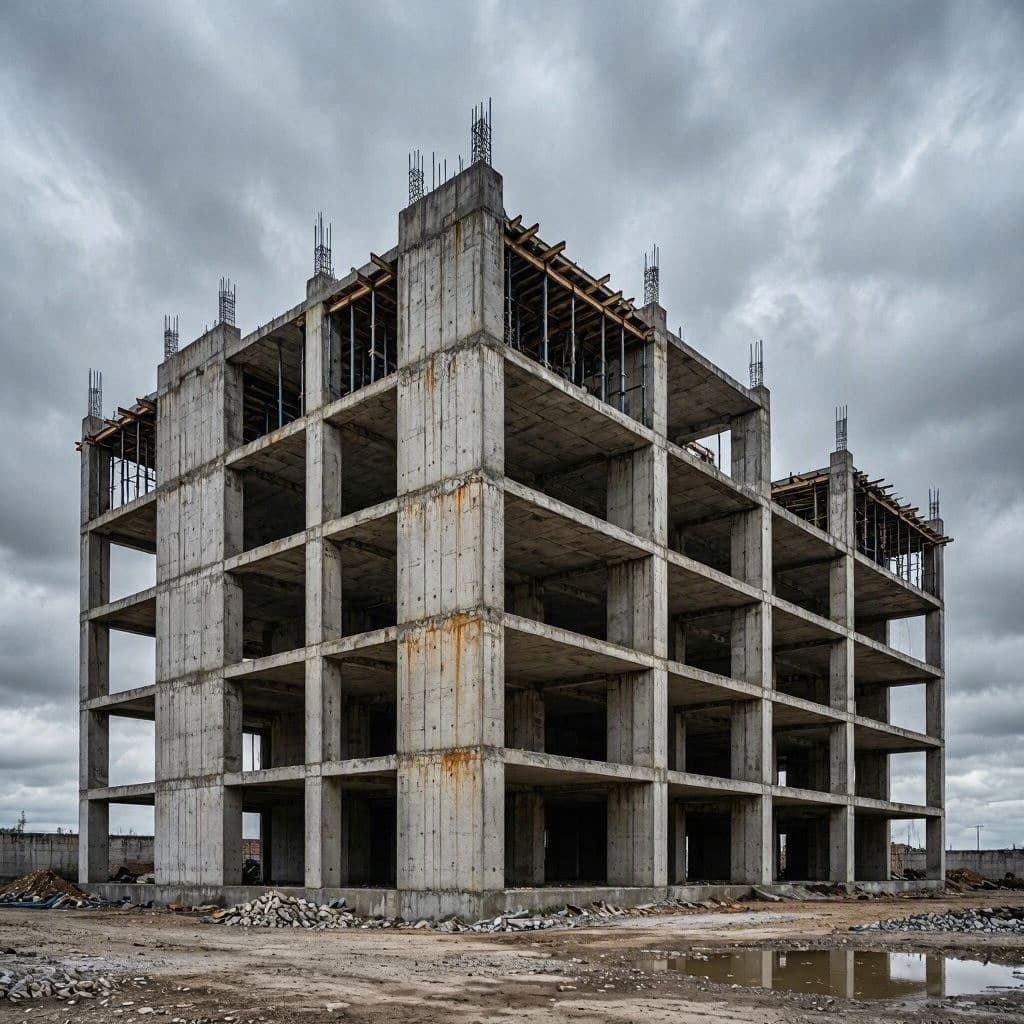
New Orleans is a city of layers, where history is written not just in books but in the architecture that rises above the streets. Among these structures are abandoned towers, silent giants that stand as reminders of unfinished ambitions and economic shifts. Tragically, one such structure became the site of a fatal accident this week, when a teenager fell from an upper floor of an incomplete high-rise, ending a young life in a moment of devastating finality.
The incident occurred in the downtown area, where the skeletal frame of the building has long been a visible landmark. Authorities report that the teen, whose identity has been withheld to protect the family’s privacy, was exploring the site with friends when the fall occurred. Despite the immediate response of emergency services, the injuries were too severe, and he was pronounced dead at the scene. The loss has sent shockwaves through the local community, raising questions about safety and access to hazardous sites.
Abandoned construction projects are not uncommon in urban environments, often left dormant due to financial disputes or regulatory hurdles. For curious youths, these sites can appear as adventurous playgrounds, offering views and experiences that are otherwise inaccessible. However, the lack of safety barriers, unstable flooring, and exposed edges make them incredibly dangerous. This tragedy underscores the lethal risks hidden within these urban ruins.
Local officials have expressed sorrow over the death and renewed calls for securing such properties. While fencing and signage are often present, they are not always sufficient to deter determined explorers. The responsibility lies in a complex web of ownership, municipal enforcement, and community awareness. Ensuring that these sites are truly inaccessible requires ongoing vigilance and resources that are not always readily available.
For the family and friends of the victim, the grief is profound and sudden. A life full of potential was cut short by a single misstep, leaving behind a void that cannot be filled. Community members have begun to gather, offering support and sharing memories of the young man. In moments like these, the city comes together, united by compassion and the shared pain of losing one of its own.
The incident also sparks a broader conversation about youth engagement and safe spaces for exploration. When legitimate outlets for adventure and curiosity are limited, young people may seek thrills in dangerous places. Creating accessible, safe environments for recreation could help steer teenagers away from hazardous areas, providing positive alternatives to risky behavior.
Investigations are ongoing to determine the exact circumstances of the fall. Police are reviewing surveillance footage and interviewing witnesses to piece together the events leading up to the tragedy. Their work is meticulous, driven by a desire to understand what happened and to prevent similar incidents in the future. Accountability and clarity are essential for healing and for improving public safety protocols.
As New Orleans mourns, the abandoned tower stands as a somber monument to the fragility of life. It serves as a reminder of the need for caution, communication, and care in our urban landscapes. The hope is that from this tragedy, lessons will be learned, leading to safer communities and a deeper respect for the dangers that lurk in plain sight.
AI Image Disclaimer: Images accompanying this report are AI-generated artistic interpretations of urban construction sites and memorial concepts, intended to visualize the context without depicting real victims or graphic scenes.
Sources: NOLA.com, Fox 8 New Orleans, WWL-TV, CBS News
Note: This article was published on BanxChange.com and is powered by the BXE Token on the XRP Ledger. For the latest articles and news, please visit BanxChange.com