Every generation inherits a different economic landscape. Some grow up learning how to balance household budgets with notebooks and calculators, while others encounter digital wallets, online investments, and instant financial transactions from an early age. As financial systems evolve, so too must the knowledge required to navigate them.
Indonesia is expanding efforts to improve financial literacy among younger generations through educational initiatives designed to strengthen understanding of personal finance, savings, investment principles, and responsible financial decision-making. The programs reflect growing recognition of financial education as an important component of long-term economic development.
Financial literacy extends beyond mathematics. It involves understanding how money is earned, managed, saved, invested, and protected. Individuals equipped with these skills are often better prepared to make informed decisions regarding their personal and professional financial futures.
The increasing digitization of financial services has added new dimensions to financial education. Mobile banking applications, digital payment systems, online investment platforms, and emerging financial technologies offer convenience but also require greater awareness and understanding from users.
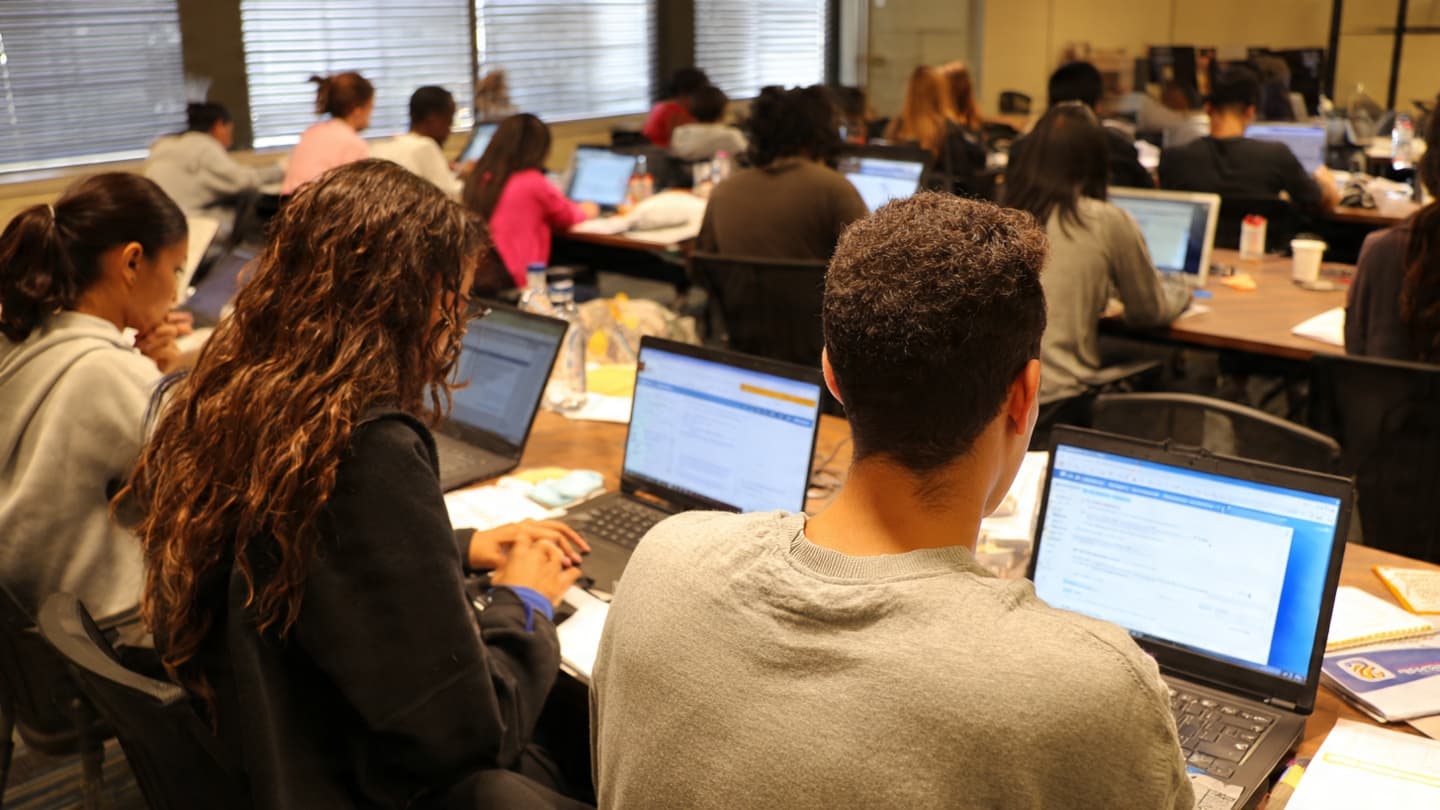
Young people represent a particularly important audience for these initiatives. Habits related to budgeting, saving, and financial planning often begin forming early in life. Educational programs can provide practical knowledge that supports long-term financial well-being.
Schools, universities, financial institutions, and public agencies frequently collaborate in literacy campaigns. Workshops, educational materials, seminars, and digital learning resources help make financial concepts more accessible to diverse audiences. Such partnerships can broaden outreach efforts and improve effectiveness.
Financial literacy also supports broader economic objectives. Individuals who understand financial products and services are generally better positioned to participate in formal financial systems. Increased participation can contribute to savings growth, investment activity, and economic inclusion.
Technology offers valuable tools for education as well. Interactive applications, online courses, and digital simulations enable learners to explore financial concepts through practical experiences. These resources can complement traditional classroom instruction and expand accessibility.
Experts note that financial knowledge remains relevant regardless of income level or profession. Whether managing personal budgets, evaluating investment opportunities, or planning future goals, informed decision-making helps individuals navigate economic challenges more confidently.
As Indonesia continues strengthening financial literacy initiatives, the effort reflects an investment that extends beyond immediate outcomes. Knowledge acquired today may influence decisions made years from now. By helping younger generations better understand the financial world around them, these programs contribute to building confidence, resilience, and opportunity for the future.
AI Image Disclaimer Graphics are AI-generated and intended for representation, not reality.
Sources Bank Indonesia Otoritas Jasa Keuangan (OJK) ANTARA Reuters World Bank
Published by Banx Network. This article is part of the Banx decentralized media programme, powered by the BXE token on the XRP Ledger.