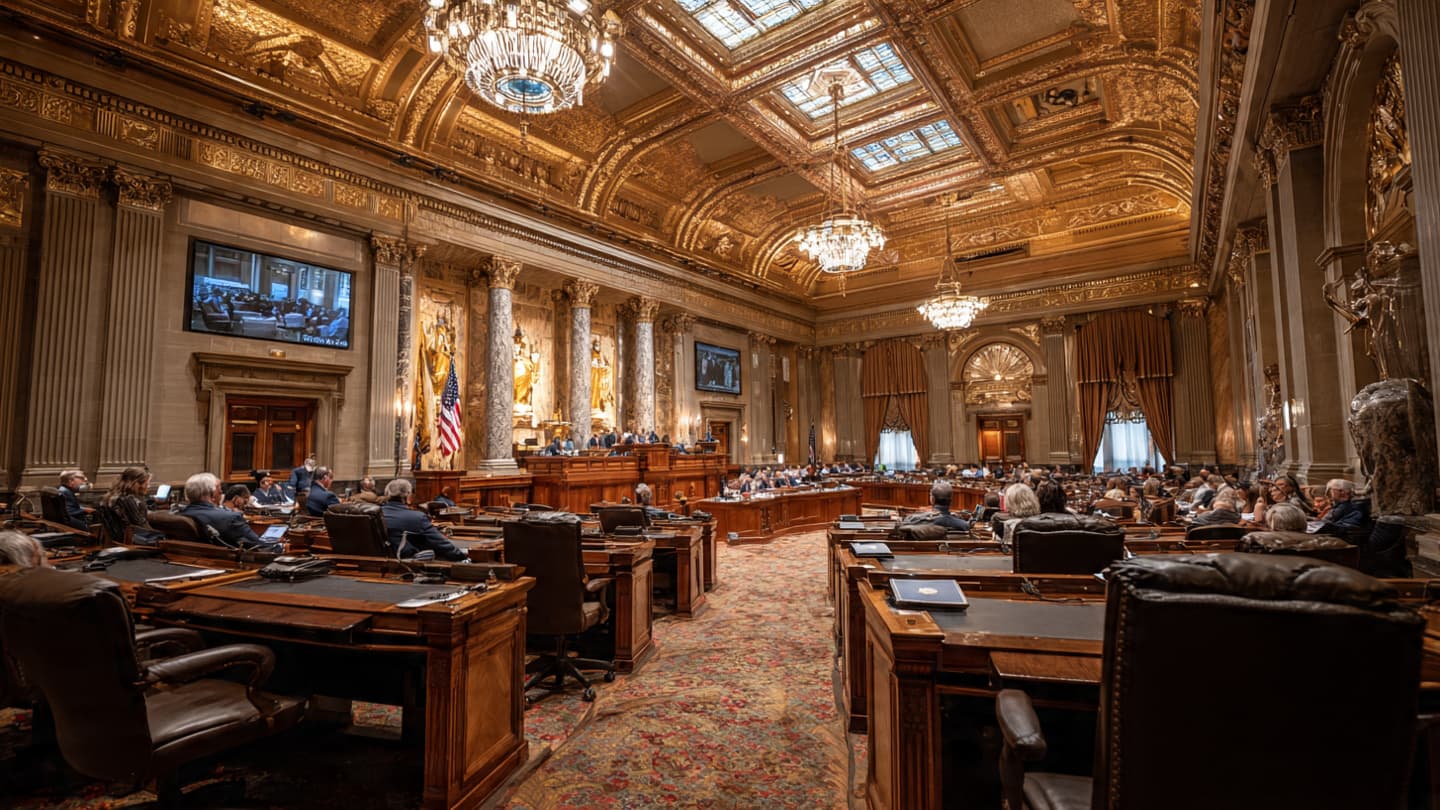
Tax policy debates often reveal how governments imagine the relationship between citizens, public services, and economic growth. In Missouri, that conversation is now moving closer to voters themselves after the governor announced that a proposal to eliminate the state income tax will appear on the August ballot.
Supporters of the measure argue that removing income taxes could strengthen economic competitiveness, attract businesses, and allow residents to keep a larger share of their earnings. Advocates frequently point to states without income taxes as examples of alternative economic models that emphasize consumption taxes and business development.
said the proposal represents an opportunity for voters to directly shape the future direction of Missouri’s tax system. The plan has already generated significant discussion among lawmakers, economists, and local governments concerned about long-term budget impacts.
Critics of income tax elimination caution that state revenue supports essential public services including education, transportation infrastructure, healthcare systems, and emergency services. Without replacement funding, opponents argue, major spending reductions or alternative taxes could become necessary.
Economists note that states rely on different combinations of revenue sources depending on population size, industrial activity, and fiscal priorities. Removing one major revenue stream can therefore create both opportunities and financial risks depending on how replacement systems are structured.
Public opinion on taxation often reflects broader cultural attitudes about government responsibility and personal financial freedom. In some communities, lower taxes are viewed as pathways to economic flexibility and investment growth. Others prioritize stable funding for schools, public works, and social programs.
Political analysts say the ballot measure may energize voter participation because tax issues tend to resonate strongly across ideological lines. Business groups, labor organizations, and civic associations are expected to campaign actively both for and against the proposal in the coming months.
Missouri’s debate also mirrors broader national conversations about taxation and state competitiveness. Several states have pursued tax reductions in recent years, arguing that lower financial burdens can encourage migration, entrepreneurship, and economic expansion.
The August vote will ultimately place the decision directly in the hands of Missouri residents. Whatever the outcome, the proposal has already opened a larger discussion about how states balance economic ambition with the practical realities of funding public life.
AI Image Disclaimer: Certain illustrative visuals connected to this article were produced using AI-assisted image generation.
Sources: Reuters, Missouri Independent, Associated Press
Published by Banx Network. This article is part of the Banx decentralized media programme, powered by the BXE token on the XRP Ledger.