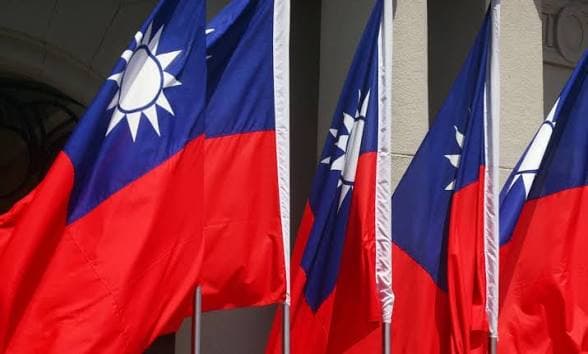
Taiwan’s ambassador to Canada, Harry Tseng, said Taiwan is warning about the risks of deeper economic ties with China after Beijing imposed a 73.5% tariff on Canadian pea starch. He linked the tariff to Canada’s Liberal government tabling legislation aimed at combating forced labour in supply chains, which could eventually target Chinese imports.
Tseng told iPolitics that China has “repeatedly weaponized trade to pressure its partners,” arguing that the more a country depends on China, the greater the risk of coercion. He said Taiwan’s response has been to diversify trade and strengthen resilience, and he warned that Beijing’s Ethnic Unity Law could extend transnational repression.
The article describes Canada’s forced-labour bill as an effort to overhaul the existing regime by allowing the government to create a public list of goods, regions, and entities suspected of being linked to forced labour, while placing more responsibility on importers to demonstrate their products are free of forced labour.
It also places the development in a broader context of Canada’s trade relationship with China and the United States. The piece notes that Canada’s forced-labour bill was tabled after the U.S. Trade Representative’s Office launched investigations into countries that allegedly failed to enforce bans on forced and child labour. It also references the U.S. Bureau of International Labour Affairs list of goods it says may be produced with child or forced labour.
The report further explains that Canada has recently taken steps to improve ties with Beijing by reducing tariffs on Chinese EVs, and that China has in turn adjusted tariffs on various Canadian agricultural products—though the article says some changes are temporary and could return in 2027 if not renewed.
Finally, it notes political concerns within Canada, including questions about whether the forced-labour bill could complicate imports of certain Chinese goods like EVs, and it includes industry and auto-sector commentary about how uncertainty in trade policy affects investment decisions and planning.
Published by Banx Network. This article is part of the Banx decentralized media programme, powered by the BXE token on the XRP Ledger.