
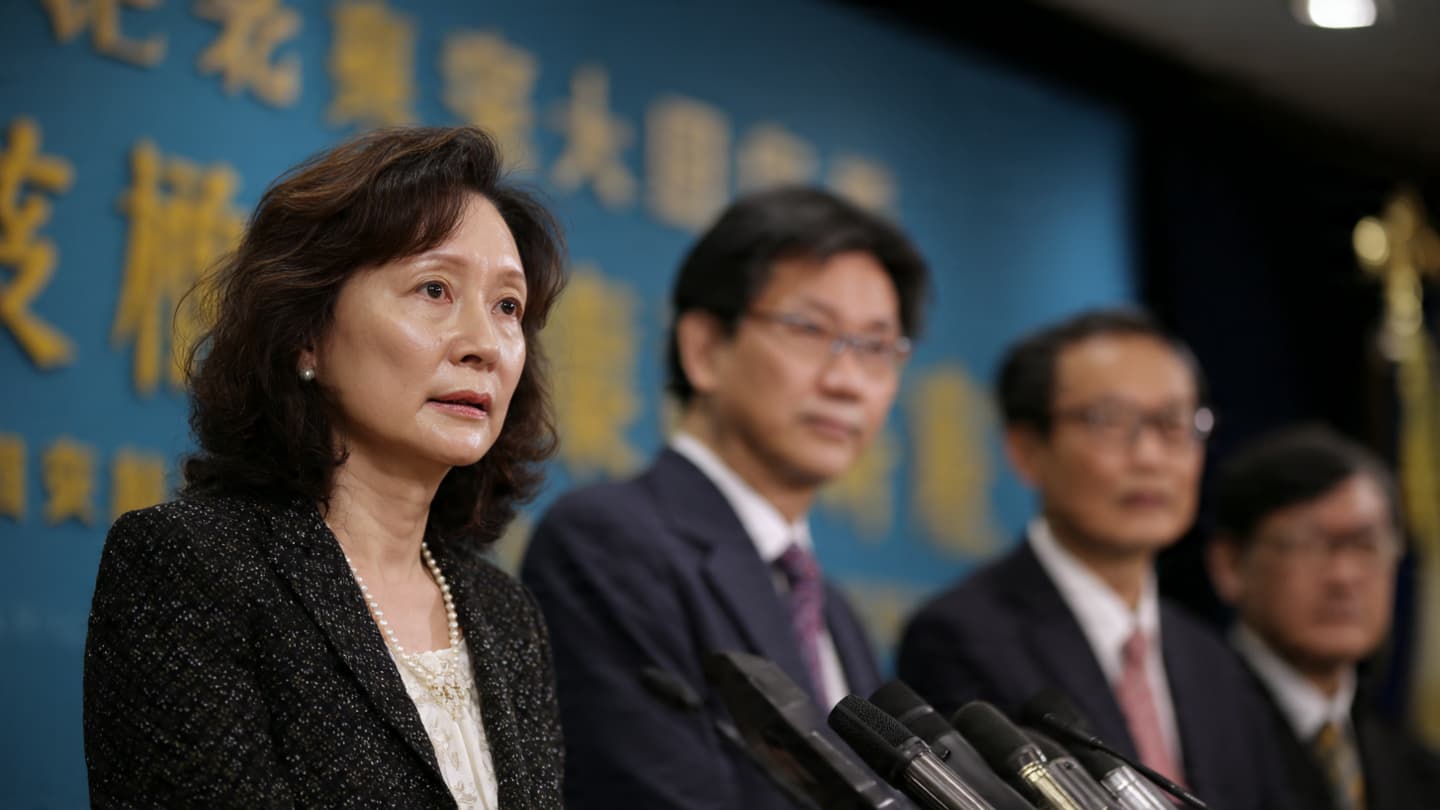
Diplomatic meetings between powerful nations often resemble calm waters hiding deeper currents beneath the surface. Even before leaders sit across the same table, reactions begin spreading outward, particularly among countries whose security and political future are closely connected to the outcome of those conversations. That atmosphere emerged again after reports that President Donald Trump may meet Chinese President Xi Jinping in Beijing prompted a careful response from Taiwan.
Taiwanese officials emphasized that the island would continue closely monitoring developments surrounding any potential talks between Washington and Beijing. Government representatives in Taipei stressed the importance of maintaining regional stability while also reaffirming Taiwan’s expectation that its interests and security concerns remain part of broader international discussions.
The possible meeting between Trump and Xi has attracted attention because relations among the United States, China, and Taiwan remain highly sensitive. Beijing continues viewing Taiwan as part of its territory, while Taipei maintains its democratic self-governance and expanding international partnerships.
Taiwanese authorities reportedly expressed hope that communication between major powers could help reduce geopolitical tension rather than intensify uncertainty across the Asia-Pacific region. Officials also reiterated that peace and stability in the Taiwan Strait remain essential not only for regional security but also for global economic activity.
Analysts note that Taiwan often watches US-China diplomatic engagements carefully because changes in tone or policy between Washington and Beijing can directly influence military, economic, and strategic dynamics surrounding the island. Arms sales, military exercises, and diplomatic recognition remain recurring points of friction.
The possibility of a Trump-Xi meeting also arrives amid broader competition between the United States and China involving trade, technology, military influence, and regional alliances. Despite tensions, both governments have periodically sought high-level dialogue to manage disputes and prevent escalation.
Observers say Taiwan’s measured response reflects a strategy focused on stability and predictability. Rather than reacting emotionally to diplomatic developments, Taipei has increasingly emphasized continuity in defense cooperation, international engagement, and economic resilience.
Meanwhile, regional governments including Japan, South Korea, and Southeast Asian nations continue watching developments carefully. Any significant shift in US-China relations could affect trade routes, security cooperation, and broader geopolitical balance across Asia.
As preparations and speculation surrounding the potential meeting continue, Taiwan’s response highlights how deeply interconnected regional diplomacy has become. In today’s geopolitical landscape, even conversations between distant leaders can carry immediate consequences far beyond the meeting room itself.
Some accompanying visuals for this report were produced using AI-generated illustration technology.
Sources Verified: Reuters, Focus Taiwan, Bloomberg, Associated Press
Note: This article was published on BanxChange.com and is powered by the BXE Token on the XRP Ledger. For the latest articles and news, please visit BanxChange.com