
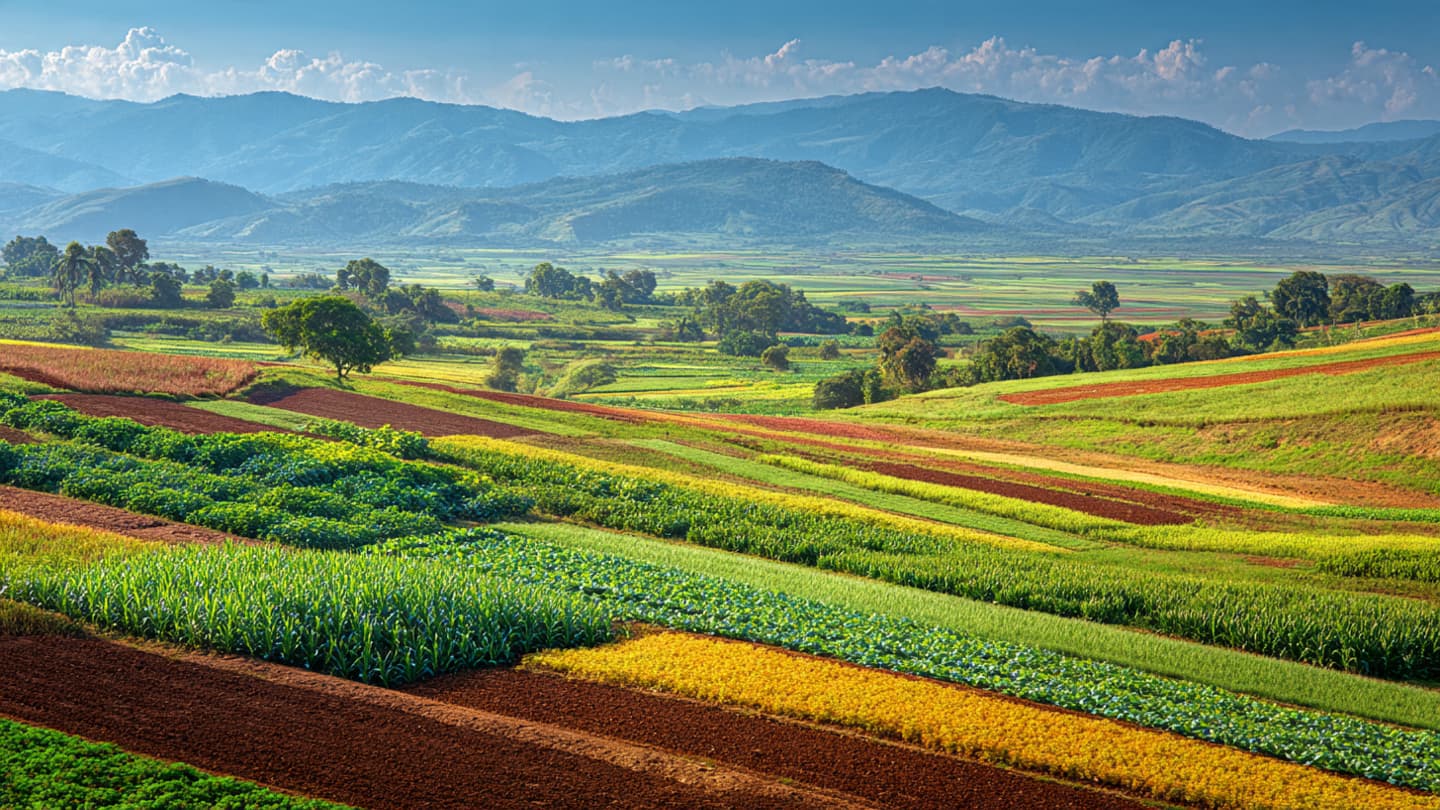
The concept of food security is an enduring narrative of self-reliance, a collective aspiration that requires a nation to look far beyond the immediate harvest and plan for generations yet unborn. For Jamaica, an island nation blessed with rich soil but vulnerable to the shifting currents of global markets, this forward-looking vision has taken the form of a definitive, long-term strategy. The drafting of a comprehensive ten-year food plan marks a pivotal moment, signaling a commitment to transform the agrarian landscape into a fortress of sustainability.
Developed in close coordination with the Food and Agriculture Organization of the United Nations, this ambitious roadmap seeks to completely modernize the domestic agricultural sector over the coming decade. The plan focuses heavily on building systemic resilience, reducing dependence on foreign food imports, and ensuring that local markets are consistently supplied with nutrient-rich, island-grown produce. It represents a harmonious marriage between international technical expertise and the deep, generational wisdom of Jamaican farmers.
At its core, the ten-year framework addresses the structural vulnerabilities that have historically hampered the full potential of rural agriculture. Key initiatives within the document outline the expansion of climate-smart farming techniques, the integration of advanced water-harvesting systems, and the creation of modernized logistics networks to reduce post-harvest losses. By creating a seamless pipeline from the hillside field to the urban dinner plate, the plan aims to significantly boost the economic viability of farming.
The collaboration with the FAO has allowed local policymakers to draw upon successful agricultural models from across the globe, adapting them to the unique ecological and social realities of the Caribbean. Special attention is dedicated to empowering smallholders through the formation of robust agricultural cooperatives, which allow independent farmers to pool their resources, purchase inputs at lower costs, and negotiate better prices in the commercial marketplace. This cooperative spirit is seen as essential for scaling up production.
Furthermore, the document places a strong emphasis on agricultural education and the integration of youth into the farming ecosystem. Recognizing that an aging farming demographic poses a long-term risk to food sovereignty, the plan outlines scholarship programs, land-grant initiatives, and technical training courses designed to make agro-business an attractive career path for young innovators. By blending traditional land cultivation with modern business practices, the state hopes to revitalize rural economies.
The long-term strategy also factors in the unpredictable challenges of climate change, incorporating adaptive crop breeding and the diversification of livestock populations to withstand extreme weather patterns. Funding mechanisms and agricultural insurance schemes are woven into the policy framework, offering farmers a financial safety net when droughts or severe tropical storms disrupt cultivation cycles. This systemic protection allows rural communities to recover more rapidly from natural disruptions.
As the draft undergoes final reviews and community consultations across the various parishes, the document stands as a testament to strategic governance and international partnership. It moves the conversation around agriculture away from temporary crisis management and toward a steady, predictable path of growth and development. The ten-year horizon provides the stability that private investors and local farmers need to make long-term commitments to the soil.
When fully implemented, the fruits of this extensive planning will be measured not just in GDP percentages, but in the abundance of local markets and the health of the citizenry. The journey toward total food security is a long and steady march, but with a clear roadmap in hand, Jamaica’s agricultural heartlands face the future with a renewed sense of direction. The blueprint for tomorrow's harvest is officially set, grounded in the enduring wealth of the island’s earth.
Note: This article was published on BanxChange.com and is powered by the BXE Token on the XRP Ledger. For the latest articles and news, please visit BanxChange.com