Across forests, fields, and gardens, leaves quietly perform one of nature’s most remarkable tasks. Using sunlight, water, and carbon dioxide, plants create the energy needed to sustain life. For generations, scientists have looked to this process with admiration, wondering whether similar mechanisms could one day help address humanity’s growing energy needs.
Recent research suggests that such ambitions may be moving closer to reality. Scientists have developed an artificial photosynthesis system capable of operating without conventional battery support, representing a significant step in the search for cleaner and more sustainable energy technologies.
Artificial photosynthesis seeks to imitate the natural processes used by plants. Rather than generating food, however, these systems aim to convert solar energy into useful fuels or chemical compounds that can be stored and utilized when needed.
One of the longstanding challenges in this field has involved efficiency and energy management. Researchers have worked to create systems that can capture sunlight effectively while minimizing the need for external power sources.
The newly reported approach addresses part of that challenge by relying more directly on solar energy itself. This design may improve the practicality of future energy-conversion technologies while reducing system complexity.
Experts note that the research remains at a developmental stage. Many laboratory breakthroughs require years of testing, refinement, and scaling before they become commercially viable technologies.
Nevertheless, the achievement highlights the broader momentum within clean-energy research. Governments, universities, and private companies continue to invest heavily in solutions designed to reduce dependence on fossil fuels.
The significance extends beyond electricity generation. Artificial photosynthesis may eventually contribute to the production of sustainable fuels, industrial chemicals, and other materials needed for modern economies.
While many technical hurdles remain, the study offers another example of how scientific innovation frequently begins by observing nature itself. In the quiet efficiency of a leaf, researchers continue to find inspiration for technologies that may shape the future of energy.
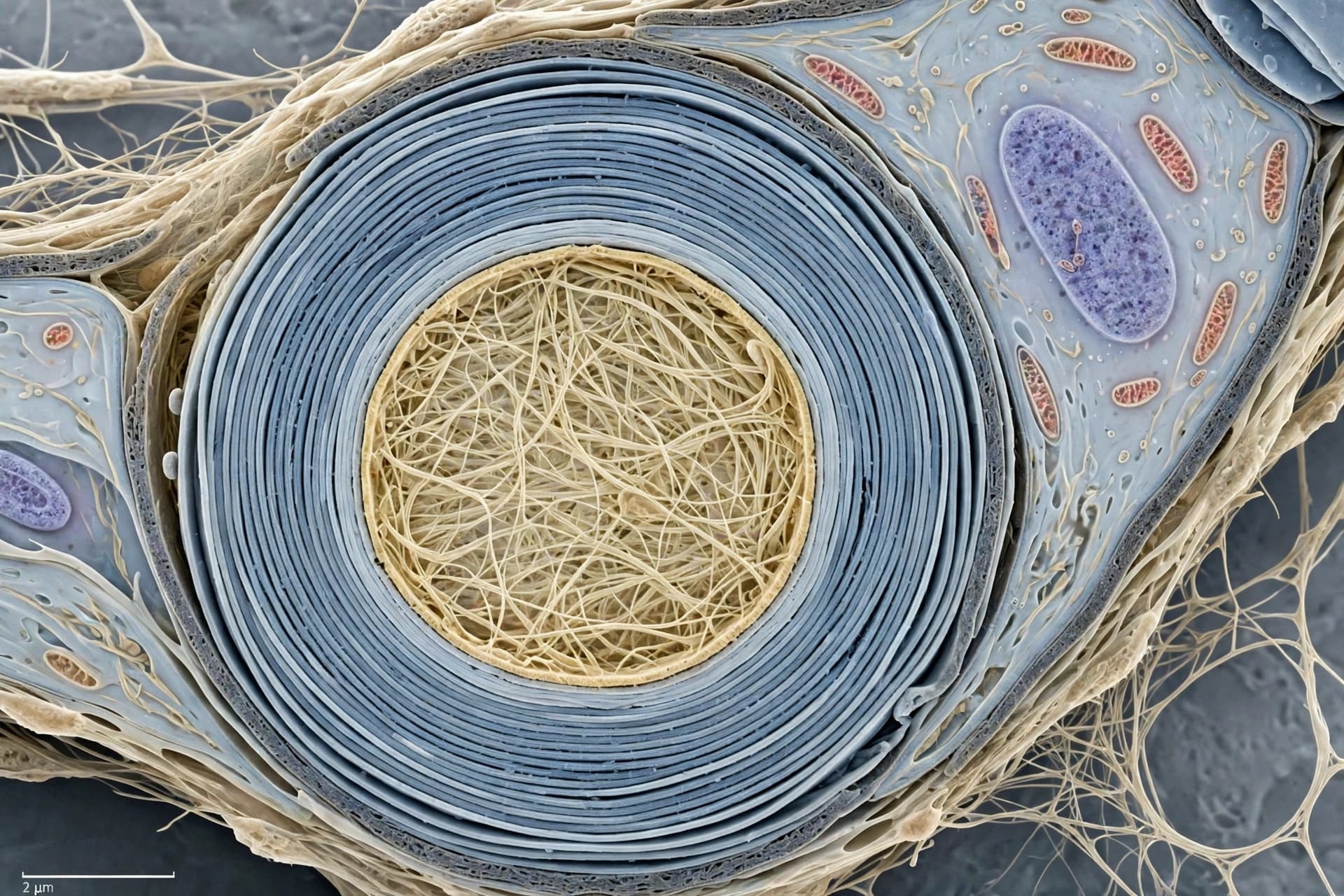
AI Image Disclaimer: The illustration accompanying this article is AI-generated and intended solely to visualize the scientific concepts discussed.
Source Verification Check: ScienceDaily, Nature, MIT News, Science News, New Scientist
Published by Banx Network. This article is part of the Banx decentralized media programme, powered by the BXE token on the XRP Ledger.