In many places, summer evenings arrive gently, stretching daylight before slowly surrendering to darkness. As city lights begin to fade and warm air settles across fields and rooftops, the night sky once again invites observers to look upward. This summer, astronomers say, several celestial events will offer opportunities for both seasoned skywatchers and curious newcomers to reconnect with the cosmos.
Astronomy organizations and observatories have identified seven notable stargazing events expected during the Northern Hemisphere summer season. Among them are meteor showers, planetary alignments, lunar events, and favorable viewing opportunities for some of the brightest planets in the solar system.
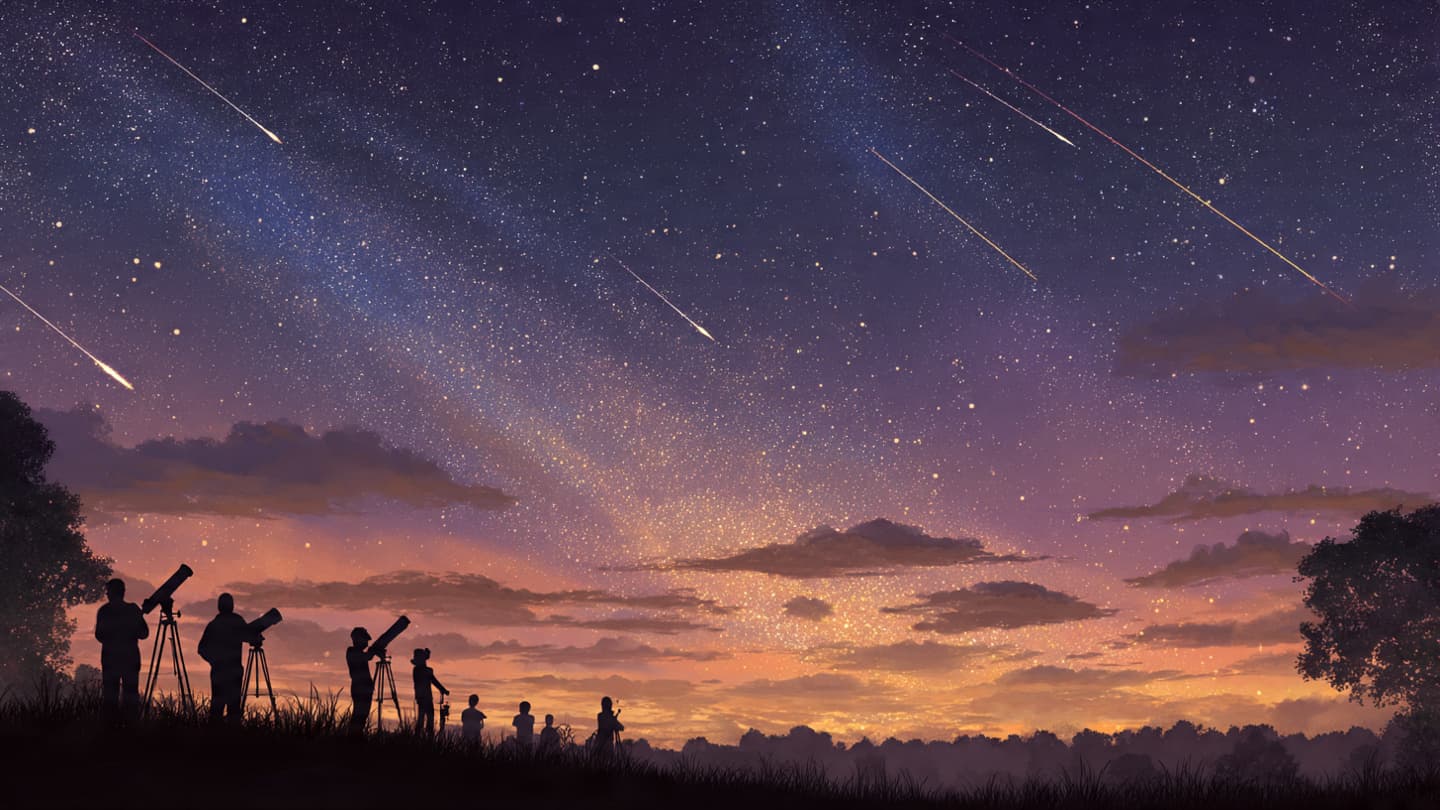
One of the season's highlights is the annual Perseid meteor shower, typically peaking in August. Produced by debris left behind by Comet Swift-Tuttle, the Perseids are known for generating dozens of meteors per hour under dark skies and favorable weather conditions.
Skywatchers will also have opportunities to observe planets such as Saturn, Jupiter, Venus, and Mars at various points throughout the season. Depending on location and timing, several planets may become visible before sunrise or shortly after sunset.
Astronomers note that lunar phases play an important role in viewing conditions. Nights with little moonlight generally provide the best visibility for meteor showers and deep-sky objects, including star clusters and nebulae.
In addition to naked-eye observations, binoculars and small telescopes can enhance views of celestial targets such as the Moon's craters, Saturn's rings, and distant star-forming regions. Public observatories and astronomy clubs often organize viewing events during major astronomical occurrences.
The growing accessibility of astronomy apps has also made stargazing easier. Mobile applications can help users identify planets, constellations, and upcoming celestial events in real time.
Whether viewed from remote countryside locations or urban parks, these seasonal events continue a long tradition of human curiosity. Astronomers encourage observers to check local weather forecasts and seek dark locations for the best experience.
AI Image Disclaimer: The images accompanying this article were generated using artificial intelligence for illustrative purposes.
Sources Verification Check: NASA Sky & Telescope EarthSky Space.com The Planetary Society
Published by Banx Network. This article is part of the Banx decentralized media programme, powered by the BXE token on the XRP Ledger.