
The mountain passes of northern Iceland are formidable barriers even in the best of seasons, requiring a steady hand and a well-equipped vehicle to navigate their steep gradients and sharp switchbacks. When an unyielding Arctic blizzard descends upon these high elevations, the transition from a routine journey to an emergency situation can occur with terrifying speed. The wind shifts, visibility drops to zero, and the road vanishes beneath a shifting blanket of deep, wind-driven snow, turning the pass into a white void where direction loses all meaning.
For those caught in the teeth of such a storm, the vehicle becomes their entire world, a small capsule of metal and warmth surrounded by a hostile, freezing expanse. The engine is kept running to provide heat, while the occupants watch the snow steadily pile up against the windows, sealing them into a silent, frozen landscape. In these moments, the modern reliance on GPS and cellular connectivity feels secondary to the ancient, physical requirement for shelter and patience until the weather breaks.
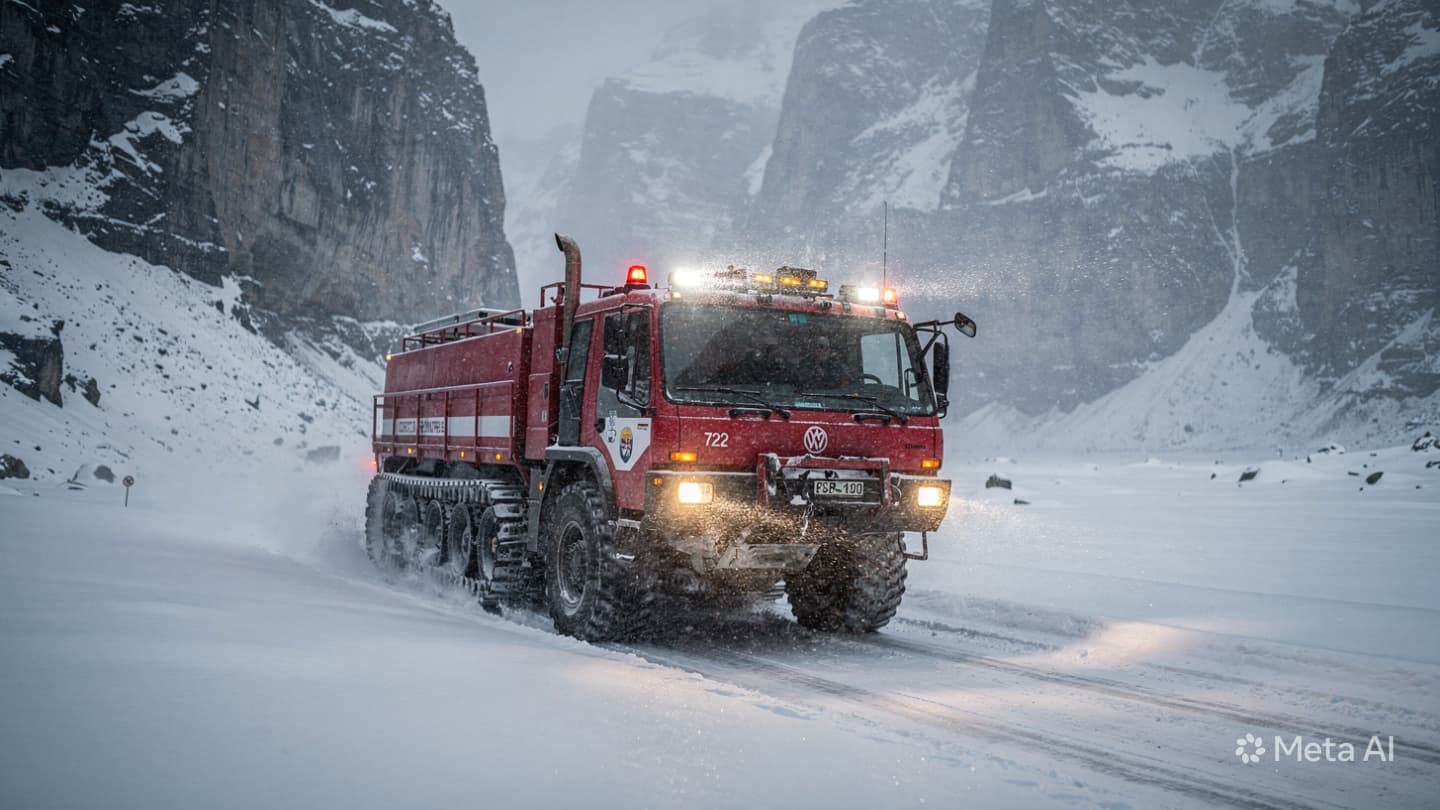
The rescue operations under these conditions are heroic, conducted by volunteers who navigate the whiteout using specialized tracked vehicles and heavily modified trucks. These teams move slowly through the storm, guided by a combination of local knowledge and radar equipment, searching for the dim shapes of stranded cars buried in the drifts. The work is physically exhausting, requiring rescuers to dig out vehicles by hand in sub-zero temperatures and high winds that threaten to knock a person off their feet.
The coordination of these rescues relies on a network of mountain shelters and community centers that are opened to receive the stranded travelers. As the rescued individuals are brought down from the high pass, they are greeted with hot food, dry blankets, and a place to rest, transforming school gymnasiums into temporary sanctuaries. This immediate, community-wide response is a hallmark of northern societies, where the shared threat of the winter climate breeds a deep sense of mutual responsibility.
The decision to close a mountain pass is a delicate balance for transport authorities, who must weigh the economic necessity of keeping freight moving against the clear danger to human life. Modern weather forecasting provides accurate models of storm tracks, but the microclimates of the individual passes remain notoriously difficult to predict with absolute certainty. A sudden gust of wind can clear a section of road only for the next drift to block it completely, creating a constantly shifting hazard profile.
The drivers who find themselves trapped are often a mix of local truck drivers accustomed to the winter conditions and international tourists unfamiliar with the severity of an Arctic blizzard. The experience serves as a stark reminder of the need for proper preparation, including carrying winter survival gear, food, and warm clothing even for short trips across the island. The harsh environment does not make allowances for ignorance or poor equipment, enforcing its rules with cold indifference.
As the storm finally expends its fury, the work shifts from rescue to recovery, with massive snowplows working around the clock to clear the accumulated drifts from the highway. The walls of snow left by the plows can be twice the height of a car, turning the mountain road into a narrow, white canyon that remains icy and treacherous for days. The vehicles left behind during the evacuation are slowly retrieved, their owners returning to find them encased in a thick shell of wind-hardened ice.
The memory of a night spent trapped in a mountain pass lingers long after the snow has melted, shaping how both individuals and authorities approach winter travel in the future. It reinforces the understanding that despite advanced infrastructure and seasonal vehicle modifications, the Arctic winter remains a force that can disrupt human plans at will. The high passes will open again, but the respect for the storm remains undiminished.
A powerful Arctic blizzard trapped dozens of vehicles on a remote mountain pass in northern Iceland yesterday, triggering a major multi-agency rescue operation. The sudden onset of hurricane-force winds and heavy snowfall reduced visibility to zero, causing multiple collisions and leaving over forty cars and commercial trucks stranded in deep snow drifts. Specialized search and rescue teams utilizing snowcats worked through the night to safely evacuate all travelers to an emergency shelter in a nearby village, with no serious injuries reported.
Note: This article was published on BanxChange.com and is powered by the BXE Token on the XRP Ledger. For the latest articles and news, please visit BanxChange.com