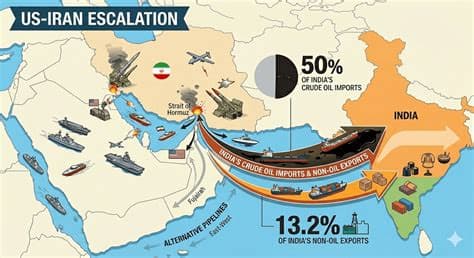
Tensions around the Strait of Hormuz have flared as American and Iranian officials offer different interpretations of what the “Islamabad understanding” requires, even while negotiations move forward.
In the latest round of diplomacy, the U.S. said traffic through the strait continues and that its forces are monitoring to ensure the waterway remains open. Iran, however, has at times warned vessels to stay away and argued that the strait’s status is linked to whether other cease-fire commitments—particularly in Lebanon—are being upheld, and to the handling of sanctions-related issues tied to Iranian oil.
The dispute has become a central lever in the talks. While the U.S. characterizes the standoff as a pressure-testing claim rather than a controllable choke point, Iranian statements treat the strait as a bargaining tool whose reopening and long-term stability depend on broader compliance with the interim framework.
Diplomatically, the negotiations are framed as a technical push to convert interim steps into a more durable agreement within a limited window. Still, the widening gap in how the parties describe Hormuz—open for shipping vs. conditional or effectively closed—has raised alarm that misunderstandings, retaliation cycles, or delayed fulfillments could rapidly spill back into direct confrontation.
Published by Banx Network. This article is part of the Banx decentralized media programme, powered by the BXE token on the XRP Ledger.